 listicle
4 Ways to Prepare for Insurance Rate Hikes
Table of Contents
- 1. Invest in Wind Mitigation Inspections and Home Improvements
- 2. Bundle Your Home and Auto Policies for Immediate Savings
- 3. Compare Quotes Using the CHOICES Rate Comparison Tool
- Tips for Lowering Insurance Premiums Beyond Rate Hikes
- 4. Review and Adjust Your Coverage Limits and Deductibles
- Why Proactive Planning Matters Before Rate Hikes Hit
- Frequently Asked Questions
Last Updated: September 18, 2026
Insurance rates in Florida keep climbing. If you're facing a renewal notice with a significantly higher premium, you're not alone. The insurance market has tightened considerably, and preparing for insurance rate hikes requires a strategic approach. At Dehlinger Insurance, we've helped Florida residents navigate these increases by taking proactive steps before rates spike. Below, we'll show you exactly how to protect your coverage and your budget.
1. Invest in Wind Mitigation Inspections and Home Improvements
A wind mitigation inspection is one of the most effective ways to reduce your homeowners insurance premium. Insurance carriers offer substantial discounts, sometimes 15% to 30%, for homes that demonstrate resistance to wind damage. The inspection documents specific structural improvements that lower your risk profile in the eyes of underwriters.
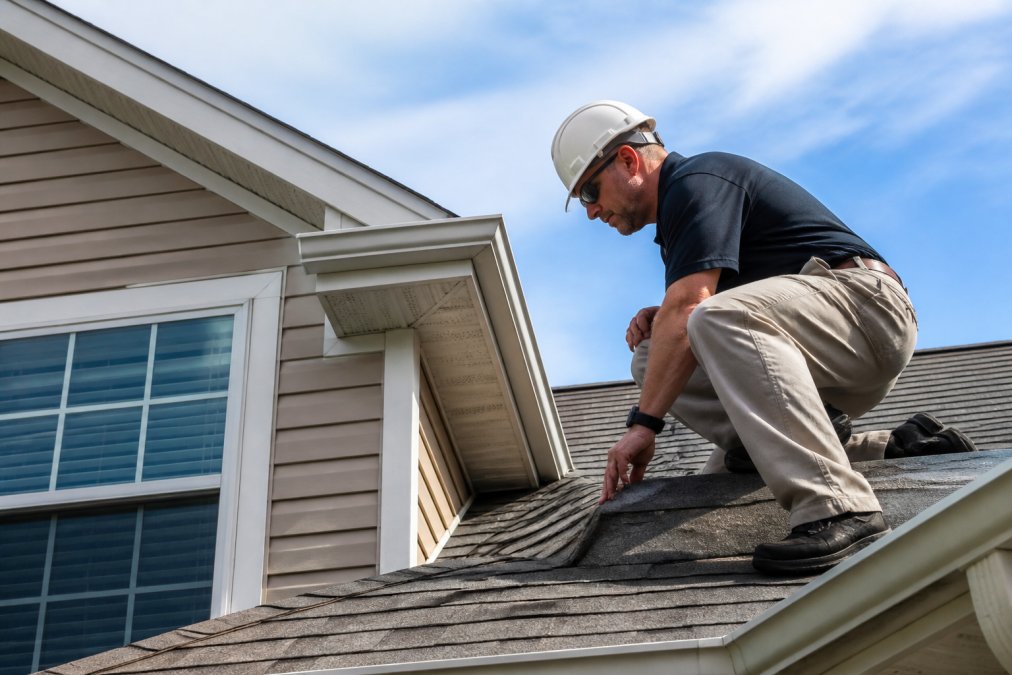
During a mitigation inspection, a certified inspector evaluates your roof, windows, doors, and structural attachments. They assess whether your home meets current building codes and identify which upgrades would qualify for discounts. Common improvements include roof reinforcement, impact-resistant windows, and reinforced garage doors.
The real value emerges when you present these findings to your insurance carrier. Many policyholders discover they're already eligible for discounts they never claimed. If your inspection reveals gaps, prioritizing the most cost-effective upgrades, like roof certification or secondary water barriers, can unlock immediate savings on your next renewal.
2. Bundle Your Home and Auto Policies for Immediate Savings
Bundling home and auto insurance is one of the fastest ways to offset rising homeowners premiums. Insurance carriers consistently reward customers who consolidate coverage, typically offering 10% to 25% discounts on the bundled policies.
When you bundle, the carrier views you as a more profitable customer relationship. They're willing to reduce margins on individual policies because they gain your entire household's business. This creates a win-win: you pay less overall, and they reduce administrative costs.
The bundling advantage extends beyond the discount itself. A single agent managing both policies means better coordination during claims, simpler renewal conversations, and fewer gaps in coverage. If your current homeowners carrier doesn't offer competitive auto rates, switching both policies to a carrier that does can yield substantial savings.
3. Compare Quotes Using the CHOICES Rate Comparison Tool
The CHOICES Rate Comparison Tool, provided by the state's Office of Insurance Regulation, is a free resource that lets you see actual premium quotes from licensed carriers side by side. This tool removes guesswork from rate shopping and gives you concrete data to negotiate with your current carrier or switch to a better option.
Using CHOICES is straightforward: you enter your property details once, and the tool returns quotes from multiple carriers. You can see exact premiums, coverage options, and deductibles for each quote. This transparency makes it easy to identify which carriers offer the best rates for your specific risk profile.
Many policyholders use CHOICES to benchmark their current premium against the market. If you discover your renewal quote is 20% higher than competitors, you have use to ask your carrier for a better rate or justification for the increase. Even if you stay with your current carrier, the comparison data strengthens your negotiating position.
CHOICES Rate Comparison Tool from the Florida Office of Insurance Regulation
Tips for Lowering Insurance Premiums Beyond Rate Hikes
Beyond the core strategies above, several additional tactics can help manage premium growth. Raising your deductible is one of the most direct levers: moving from a $500 to a $1,000 deductible typically reduces your annual premium by 10% to 15%. This trade-off makes sense if you have emergency savings to cover a larger out-of-pocket cost in a claim scenario.
Maintaining a clean claims history is equally important. Carriers review your past claims when calculating renewal rates. If you've filed multiple claims in recent years, your premium reflects that higher perceived risk. Conversely, claim-free years demonstrate stability and can earn you loyalty discounts.
Home maintenance also influences your premium. Carriers may offer discounts for updated electrical systems, plumbing upgrades, or a newer roof. Document any major improvements you've made and notify your carrier, they may not automatically apply discounts without knowing the work was completed.
Call Us and Get a Quote Today! →
Avoid filing small claims just because you have insurance. A $2,000 claim for roof damage might save you money immediately but could trigger a 10% to 20% premium increase at renewal. Claims history follows you for three to five years, so the long-term cost often outweighs the short-term benefit. ::: Navigating the complexities of property damage requires careful consideration of when to involve your provider, and reviewing these insurance claim tips helps clarify which incidents warrant a formal request for coverage.
4. Review and Adjust Your Coverage Limits and Deductibles
Your policy's coverage limits determine how much the insurance company will pay in a claim. Reviewing these limits during rate hike season is critical because underinsurance can leave you exposed to catastrophic financial loss, while overinsurance wastes premium dollars on coverage you don't need.
Start by calculating your home's replacement cost, not its market value. Replacement cost is what it would actually cost to rebuild your home from scratch using current materials and labor. Many Florida homeowners underestimate this figure, especially if their home is older or requires specialized construction methods. An underinsured home leaves you paying out of pocket for damages above your coverage limit.
Deductible selection is equally strategic. A higher deductible reduces your premium but increases your out-of-pocket cost during a claim. The optimal deductible depends on your financial cushion and risk tolerance. If you have three to six months of expenses in emergency savings, a $2,500 deductible is manageable. If your savings are thinner, stick with a $1,000 deductible and accept the higher premium.
Some carriers also offer hurricane deductibles separate from your standard deductible. A hurricane deductible might be 5% or 10% of your home's insured value, meaning a $300,000 home would have a $15,000 to $30,000 out-of-pocket cost in a hurricane claim. Understanding this distinction matters when you're evaluating total risk exposure.
Why Proactive Planning Matters Before Rate Hikes Hit
Rate hikes don't arrive with warning. One day you receive a renewal notice with a premium 25% higher than last year. At that point, your options narrow: accept the increase, scramble to find a new carrier, or face a lapse in coverage.
Proactive planning flips this dynamic. When you address wind mitigation, bundle policies, and compare rates before renewal, you're negotiating from strength. You understand your options, you've documented improvements that justify lower rates, and you're not in crisis mode.
The insurance market in Florida has fundamentally shifted. Carriers are more selective about which risks they'll insure, and rates reflect the elevated frequency of catastrophic weather events. Accepting passively that premiums will rise indefinitely isn't realistic. Instead, treating your insurance as an active financial decision, reviewed annually, optimized for your current situation, and adjusted as your home and finances change, protects your long-term affordability.
Florida Department of Financial Services guide to shopping for homeowners insurance
| Strategy | Implementation Time | Premium Impact | Best For |
|---|---|---|---|
| Wind mitigation inspection | 2-4 weeks | 15-30% discount | Homes with older roofs or outdated windows |
| Bundling home and auto | 1-2 weeks | 10-25% discount | Households with both policies |
| CHOICES rate comparison | 1-2 hours | Varies by carrier | All homeowners shopping rates |
| Raising deductible | Immediate (at renewal) | 10-15% reduction | Those with emergency savings |
| Coverage limit review | 1-2 hours | Prevents underinsurance | All homeowners |
Rising insurance costs don't have to catch you off guard. Dehlinger Insurance has spent over 38 years helping Florida residents navigate premium increases by implementing these exact strategies. Our team works directly with multiple top-tier carriers to secure the lowest available rates for your specific situation. Whether you need wind mitigation guidance, help bundling policies, or a comprehensive rate review, Dehlinger Insurance provides personalized solutions tailored to your coverage needs. Call us today to discuss your options and get a quote that reflects the proactive steps you've already taken.
Frequently Asked Questions
How can wind mitigation inspections help lower my homeowners insurance premium?
Wind mitigation inspections document structural improvements like roof reinforcement, impact-resistant windows, and proper fastening systems. Insurance carriers use these reports to assess your home's resilience against storm damage. When your risk profile improves, carriers often apply premium discounts ranging from 5% to 25%, depending on the improvements documented and your carrier's underwriting guidelines.
What is the CHOICES Rate Comparison Tool and how do I use it?
The CHOICES tool is a free, state-provided resource from the Office of Insurance Regulation that allows you to compare insurance rates across different carriers. Visit the official state portal, enter your property information, and the tool displays premium quotes from licensed insurers. This helps you see apples-to-apples comparisons and identify carriers offering better rates before your policy renewal.
Can bundling home and auto insurance really save me money on rate hikes?
Yes. Most insurance carriers offer bundled policy discounts of 10% to 25% when you combine home and auto coverage. Bundling also simplifies your renewal process and gives your insurance agent a complete picture of your coverage needs, which can lead to additional discounts for loyalty or multi-policy customers.
What specific home improvements lower insurance premiums the most?
Roof replacements with impact-resistant materials, installation of impact-resistant windows and doors, and proper roof-to-wall fastening systems typically deliver the largest premium reductions. Secondary improvements include reinforced garage doors, updated electrical systems, and water mitigation features. Work with your insurance agent to prioritize improvements that align with your carrier's underwriting criteria for maximum savings.