 how-to
Affordable Coverage for Older Florida Roofs
Table of Contents
- Why Insurers Flag Older Florida Roofs
- The 15-Year Roof Rule in Florida: What It Means for You
- How a Roof Inspection for Insurance Can Unlock Coverage
- Mitigation Inspection for Insurance Discounts That Lower Premiums
- Step-by-Step: How to Find Affordable Coverage for Older Florida Roofs
- Financing Options and Costs for Roof Replacement
- Frequently Asked Questions
Last Updated: September 12, 2026
Why Insurers Flag Older Florida Roofs
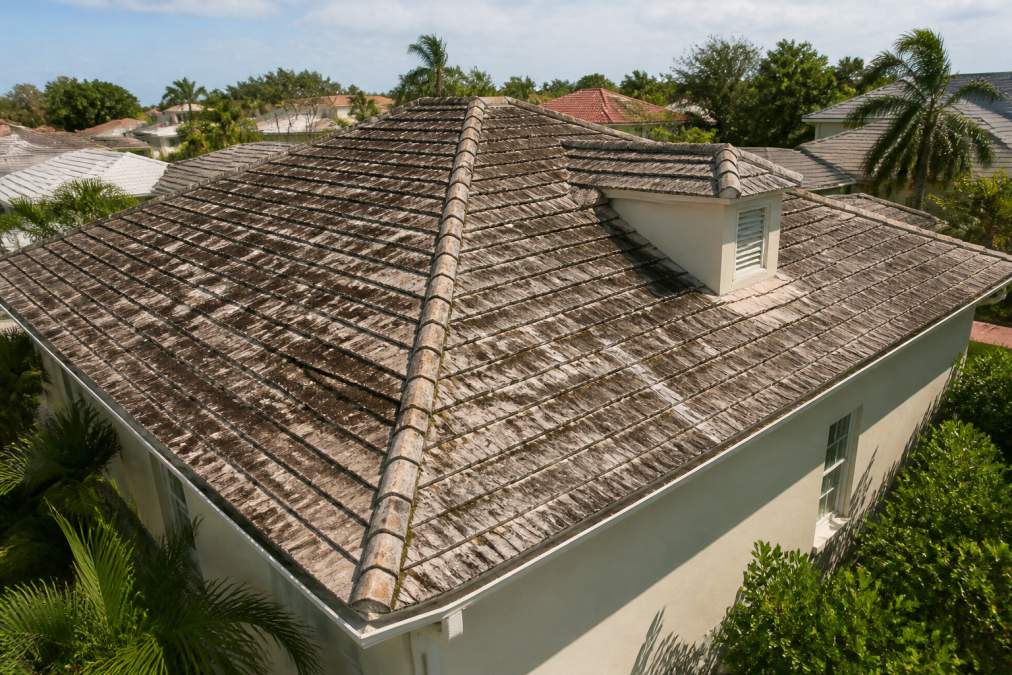
Roof age is one of the first things a Florida underwriter checks, and it can decide whether your application moves forward at all. According to Florida Office of Insurance Regulation resources on underwriting and coverage, carriers file detailed underwriting guidelines that let them decline or surcharge homes with aging roofs. A well-maintained 2003 home can get flagged not because anything is wrong with it, but because the roof has crossed a threshold in an insurer's rulebook.
The logic isn't personal. A roof protects everything beneath it, and in a state that sees hurricanes, tropical storms, and relentless sun, a 15-year-old roof is closer to the end of its service life than a homeowner wants to believe. Insurers price that risk accordingly.

The 15-Year Roof Rule in Florida: What It Means for You
The 15-year roof rule Florida homeowners hear about is not a single law. It is a common underwriting guideline many carriers apply: once a roof reaches roughly 15 years old, the insurer may require proof of condition, reduce coverage to actual cash value, raise the premium, or decline the policy outright.
Here's what most guides get wrong. The rule is not uniform, and it is not a statute. It lives in each carrier's filed underwriting guidelines, the documents an insurer submits to the state before it can use them. That filing process is why two carriers can treat the same 16-year-old shingle roof in completely different ways.
Where the Rule Actually Comes From
Under Florida law, property insurers must file their underwriting rules, rating manuals, and policy forms with the Office of Insurance Regulation (OIR) before those rules take effect (floir.com). The OIR reviews filings for compliance with the Insurance Code and can disapprove a filing that is unfair, misleading, or not actuarially sound. Once approved, the filed guideline is binding on the carrier, it cannot decline your roof at 14 years if its own filing says 15.
That is the leverage most homeowners never use. If a carrier declines your roof, you can ask for the specific filed guideline it relied on. If the decline does not match the filing, you have grounds for a reconsideration request.
The Thresholds You Will Actually See
Most carriers cluster around a few common cutoffs:
- Under 10 years: Typically written at replacement cost with no roof-specific surcharge.
- 10-15 years: Often written at replacement cost, but the carrier may request a roof condition report or a roof certification.
- 15-20 years: The most common friction zone. Expect a condition requirement, a possible move to actual cash value (ACV), or a surcharge.
- 20+ years: Many standard carriers will not write the risk at all unless the roof has been replaced or a certification documents remaining useful life.
- 25+ years: Usually confined to surplus lines carriers, the state-backed residual market, or a policy written only after replacement.
These are patterns, not promises. A carrier that writes 20-year roofs in one county may decline them in another, because filed guidelines can vary by territory and by roof covering type.
The Three Outcomes Once You Cross the Threshold
- Standard coverage continues if you can document roof integrity with a certification or condition report.
- Actual cash value (ACV) settlement replaces replacement cost, paying depreciated value instead of full repair cost. On a 15-year-old architectural shingle roof, depreciation can cut a claim payout by more than half.
- Coverage denial or non-renewal at policy renewal, which forces you into the surplus or residual market.
That middle option costs homeowners far more than they expect after a storm, and it is the outcome most people discover only when they file a claim.
How to Push Back on a Threshold Decision
- Request the filed guideline in writing. Ask the carrier which underwriting rule it applied and for the filing reference.
- Order a roof certification from a licensed roofing contractor or inspector documenting remaining useful life.
- Submit a written reconsideration request with the certification attached, before the policy term ends.
- If the carrier holds firm, escalate to the OIR's consumer services division or work through an independent agent who can place the risk elsewhere.
How a Roof Inspection for Insurance Can Unlock Coverage
A roof inspection for insurance is often the single document that turns a denial into an approval. When an underwriter sees a professional report confirming the roof is sound, the conversation shifts from "how old is it" to "what condition is it in."
What most homeowners miss is timing. Order the inspection before you apply, not after a denial. A clean report submitted with the application prevents the flag from ever being raised. If you've already been declined, the same report becomes your appeal.
Roof Certification vs. Inspection: What's the Difference?
A roof certification is a signed statement from a licensed professional confirming the roof's remaining useful life, typically valid for a set period. A roof inspection is a broader condition assessment documenting materials, damage, and defects. Insurers often accept certification as proof for eligibility, while an inspection gives you the detail needed to fix problems before they trigger a claim dispute.
The 4-Point Inspection: A Deep Dive
A 4-point inspection examines four systems: roof, electrical, plumbing, and HVAC. It is standard for older homes, and the roof portion carries the most weight. Many carriers will not write a home past a certain age without one. The roof section documents covering type, age, and visible condition, and a passing result can keep you in the standard market.
Mitigation Inspection for Insurance Discounts That Lower Premiums
A mitigation inspection for insurance discounts can offset the premium increase an older roof triggers. This inspection documents wind mitigation features: roof-to-wall connections, secondary water barrier, roof covering type, and roof deck attachment.
Each verified feature can reduce your windstorm premium. On an older home, the discount can meaningfully narrow the gap between a standard policy and a high-risk one.
Step-by-Step: How to Find Affordable Coverage for Older Florida Roofs
Finding affordable coverage for older Florida roofs comes down to documentation and the right agent. Here is the sequence that works.
Step 1: Gather Your Roof's Documentation
Collect the permit date, installation records, and any prior inspection reports. If the roof was replaced, the permit date is your proof of age. Missing paperwork is the most common reason a good roof gets treated as a bad one.
Step 2: Get a Professional Roof Inspection
Hire a licensed inspector and request both a condition report and, if the roof qualifies, a certification. Submit these with your application so the underwriter evaluates condition rather than assuming age equals risk.
Step 3: Work With an Independent Agent
Working with an independent agent can help you find a carrier whose guidelines fit your roof's age and condition.
| Situation | Best Move | Why It Works |
|---|---|---|
| Roof under 15 years | Apply with standard carriers | No age flag triggered |
| Roof 15-20 years, sound condition | Submit certification with application | Condition overrides age |
| Roof 20+ years, no replacement planned | Independent agent + mitigation report | Places you in high-risk market with discounts |
| Prior denial on record | Appeal with new inspection | Reverses decision on documented condition |
Don't let a policy lapse while you shop. A gap in coverage can make you ineligible for a state-backed insurer and reset your claims history, which raises every future premium.
Financing Options and Costs for Roof Replacement
Replacement cost is the number that decides whether you repair or replace. Under a replacement cost policy, the insurer pays what it costs to rebuild to current standards. Under actual cash value, it pays depreciated value, which on a 15-year-old roof can be a fraction of the bill.
Most articles stop at 'get quotes and consider financing.' This section goes further: the specific programs, the eligibility rules, and the trade-offs that determine whether financing actually pays off.
What Replacement Actually Costs
Roof replacement cost varies widely by size, material, pitch, and whether the deck needs repair. Rather than rely on national averages, get at least three local quotes and ask each contractor to break out:
- Tear-off and disposal of the existing covering
- Decking replacement for any rotted or delaminated sheathing
- Underlayment and secondary water barrier
- Roof covering (architectural shingle, metal, tile, or flat membrane)
- Flashing, vents, and ridge components
- Permit fees and any required inspection costs
The spread between the lowest and highest quote on the same house is often wide enough to change which financing option makes sense.
Financing Options, Ranked by Trade-Off
1. Contractor financing. Many roofing companies partner with a lender and offer monthly payment plans, sometimes with a promotional rate for the first year. The trade-off: rates after the promotional period are typically higher than a bank loan, and the contractor may have limited lender options.
2. Home equity loan or HELOC. A home equity loan gives you a fixed rate and fixed term; a HELOC gives you a variable rate and a draw period. Both use your home as collateral, which means the lowest rates available, but also the risk of losing the home if you default. Interest may be deductible if the funds are used to substantially improve the home; confirm with a tax professional.
3. Personal loan from a credit union or bank. Unsecured, so no lien on the home, but rates are higher than secured options and loan amounts may not cover a full replacement.
4. PACE (Property Assessed Clean Energy) financing. PACE programs let you finance certain home improvements, including some roofing work when bundled with energy-efficiency upgrades, through a voluntary assessment added to your property tax bill. The trade-offs are significant: PACE assessments are tied to the property, not the borrower, so they transfer if you sell; they carry priority over some other liens; and federal housing agency guidance has limited PACE eligibility for certain government-backed mortgages. Ask the program administrator directly whether your lender and loan type allow it.
5. Insurance claim proceeds. If damage is covered, the insurer pays the claim, and you cover the deductible. This is the cheapest path when it applies, but it only applies to covered perils, not to a roof that simply aged out.
The Break-Even Math Nobody Shows You
Replacing the roof often moves you back into the standard market, which can lower the premium enough to offset part of the cost over time. Run the numbers before you borrow:
- Annual premium savings after moving from a high-risk or ACV policy to a standard replacement-cost policy
- Annual financing cost (payment × 12)
- Years to break even = total financed cost ÷ annual premium savings
If the break-even period is longer than you plan to stay in the home, financing may not pay off, but the roof still adds resale value and removes the denial risk at renewal.
Questions to Ask Before You Sign
- Is the rate fixed or variable, and what is the maximum it can adjust to?
- Is there a prepayment penalty?
- Does the lender report to credit bureaus?
- If it is a PACE assessment, does my mortgage servicer allow it?
- What happens to the balance if I sell the home?
Consumer Financial Protection Bureau guidance on home improvement financing and PACE loans
Frequently Asked Questions
What is the 15-year roof rule for insurance?
The 15-year roof rule is not a law but a common underwriting guideline. Many insurers stop offering full replacement cost coverage once a roof reaches 15 years old, requiring actual cash value instead. This means claims pay depreciated value, not full replacement. Some carriers extend the threshold to 20 years if the roof is in good condition. Getting a roof inspection for insurance can help prove your roof's remaining life and keep better coverage.
Can I get homeowners insurance with a 20-year-old roof?
Yes, but options narrow. Standard carriers often decline roofs past 15-20 years unless you provide a roof certification or inspection report showing at least 3-5 years of remaining life. High-risk or state-backed insurers may offer coverage with actual cash value. Working with an independent agent can help you find affordable coverage for older Florida roofs.
How can I lower my insurance premiums if my roof is older?
Request a mitigation inspection for insurance discounts. Features like a secondary water barrier, roof-to-wall connection, and wind mitigation construction can earn significant premium reductions. Also consider a roof certification to document remaining life, bundle home and auto policies, and maintain a clean claims history. These steps often reduce premiums enough to offset the higher cost of insuring an older roof.
What documentation do I need to prove my roof is in good condition?
You typically need a roof certification from a licensed contractor or a detailed inspection report. The report should include roof age, material type, remaining useful life, and photos of any repairs. A 4-point inspection covering roof, electrical, plumbing, and HVAC is often required for older homes. Some insurers also accept permits or receipts for recent roof work.
An older roof doesn't have to mean an uninsurable home, but it does mean the standard application path often won't work. Dehlinger Insurance has served Florida residents for over 38 years, with specialized coverage for older homes and relationships with multiple top carriers. Our team can order the right inspections, submit the documentation underwriters need, and place your home with a carrier whose guidelines fit its actual condition. Call us and get a quote today.