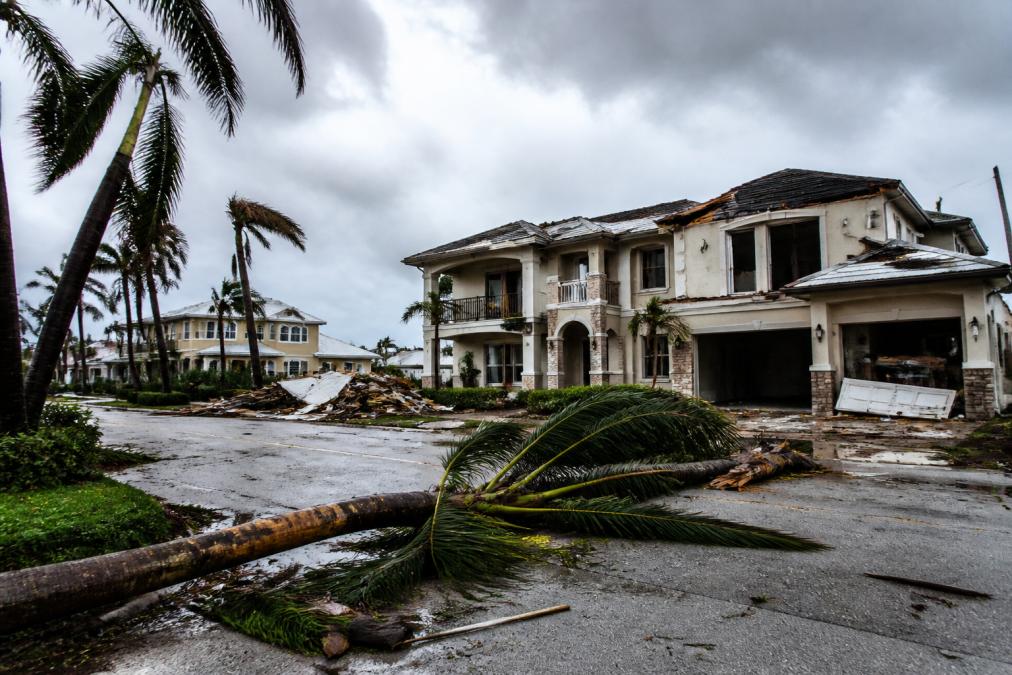
 comparison
Is Hurricane Coverage Worth It in Florida? 2026 Review
Table of Contents
- How Hurricane Coverage Works in Florida
- Windstorm Insurance vs Flood Insurance: What Each One Covers
- Understanding Flood Zones AE vs X
- How to Lower Home Insurance Premiums Without Dropping Protection
- When Hurricane Coverage Is Worth It: The Math and the Risk
- Hurricane Coverage Options Compared
- Frequently Asked Questions
Last Updated: September 16, 2026
How Hurricane Coverage Works in Florida
Hurricane coverage in Florida is not a separate product you buy off a shelf. It is the windstorm protection built into a standard homeowners policy, paired with a separate hurricane deductible that applies only to named-storm damage. Understanding this distinction decides how much you actually collect after a storm.
Standard Homeowners vs. Hurricane Coverage
A standard homeowners policy covers wind damage from hurricanes, but it does so under different deductible rules than a fire or theft claim. Hurricane coverage is the portion of that policy governing named-storm losses, and it operates on a percentage deductible rather than a flat dollar amount.
Hurricane Deductibles: How They Work and What They Cost
The higher your percentage deductible, the lower your annual premium, and the larger your financial liability when a storm makes landfall. There is no free lunch in this trade.
Windstorm Insurance vs Flood Insurance: What Each One Covers
Windstorm insurance and flood insurance cover two different causes of damage, and homeowners policies exclude flood entirely. This is the single most expensive misunderstanding in coastal property risk.
| Coverage Type | What It Pays For | Where It Comes From | Typical Waiting Period |
|---|---|---|---|
| Windstorm (in homeowners) | Wind damage to roof, walls, structure | Your homeowners policy | None |
| Flood | Storm surge, rising water, overflow | Separate NFIP or private policy | 30 days for NFIP |
| Hurricane deductible | Applies to windstorm claims only | Endorsement on homeowners policy | None |
Understanding Flood Zones AE vs X
Flood zones determine your flood insurance requirements and your premium. Zone AE is a high-risk area with a defined base flood elevation, and lenders require flood coverage there. Zone X is moderate-to-low risk, where coverage is optional but still worth pricing.
How to Lower Home Insurance Premiums Without Dropping Protection
Lowering premiums without gutting your protection comes down to reducing the insurer's risk, not reducing your coverage. The single highest-use move available to most homeowners is a wind mitigation inspection, because it converts physical features of your home into documented premium credits.

How mitigation discounts actually work
A wind mitigation inspection is a licensed inspector's report on the features that determine how well your home resists wind: roof covering and deck attachment, roof-to-wall connections, roof geometry, secondary water resistance, and whether the home has impact-rated openings or shutters. Carriers use that report to apply credits, and the credits are largest on older homes that were built before modern wind standards and have since been retrofitted.
What actually moves the number
- Install impact-rated windows or shutters and keep the product ratings documentation
- Add a secondary water barrier and hurricane straps if the roof is being replaced
- Request a wind mitigation inspection and submit the form to your carrier
- Confirm the credits appear on your declarations page, not just in the inspection report
- Raise your hurricane deductible one tier, but only if you hold the cash to cover it
- Bundle home and auto with the same carrier
- Shop the policy at renewal rather than auto-renewing
Mitigation versus deductible: two different levers
These two moves look similar on a quote and are not the same decision. A mitigation discount lowers the premium by reducing the insurer's risk, you keep the same coverage and the same deductible. Raising your deductible lowers the premium by increasing your risk, you keep the same coverage but absorb more of any loss yourself. Only the first leaves you fully protected at the same out-of-pocket exposure.
When Hurricane Coverage Is Worth It: The Math and the Risk
Most articles answer this question with a shrug. The honest answer is that hurricane coverage is worth it when the premium you pay is smaller than the risk-adjusted cost of the loss you would otherwise absorb. That is a calculation, not a feeling, and you can run it yourself.
The self-insurance framework
Self-insuring means setting aside capital to cover a loss instead of paying a carrier to carry it. To compare the two honestly, work through four numbers:
- Your realistic worst-case loss. Not the full dwelling limit, the amount you could not absorb without financial ruin. For most households that is the gap between your liquid savings plus any claim you could still collect and the cost to rebuild and live elsewhere during repairs.
- Your out-of-pocket exposure if you keep the policy. That is your hurricane deductible plus any excluded damage, most commonly flood. On a $400,000 dwelling limit, a 2% deductible is $8,000 and a 10% deductible is $40,000.
- Your annual premium. The full cost, not the monthly figure, including any separate flood policy.
- Your time horizon. Multiply the annual premium by the number of years you expect to own the home. That cumulative figure is what you are effectively betting against the probability of a covered loss during those same years.
Where self-insurance is defensible
A common pattern among homeowners who reasonably go without windstorm coverage: a low-value structure they could replace from savings, a small or paid-off mortgage with no lender requirement, and a property far enough inland that surge and wind risk are both modest. In those cases the premium can exceed the expected loss over a normal ownership period.
The state-backed insurer of last resort
When private carriers decline a property or non-renew it after a storm, the state-run insurer of last resort exists to keep coverage available. It is not a discount program, premiums are often higher than the private market, and coverage terms can be narrower, but it prevents a homeowner from being left with no windstorm protection at all when no private carrier will write the risk.
What the claim timeline does to the math
Worth is not only about whether you get paid, it is about when. After a major storm, adjuster availability, contractor backlogs, and dispute resolution can stretch the gap between filing and receiving funds into weeks or months. During that window you are paying for temporary housing and repairs out of pocket. Build that cash buffer into your calculation, because a policy that pays eventually is worth less than one that pays promptly, and both are worth more than no policy at all.
Hurricane Coverage Options Compared
The right option depends on your property type, your lender requirements, and how much cash you can deploy after a storm.
| Option | Best For | Key Trade-Off |
|---|---|---|
| Standard homeowners with windstorm | Most single-family homes | Excludes flood; percentage deductible applies |
| NFIP flood policy | Zone AE properties, lender mandates | 30-day wait; separate premium |
| Higher hurricane deductible tier | Owners with cash reserves | Lower premium, larger out-of-pocket |
| State-backed insurer of last resort | Homes rejected by private carriers | Coverage available, but often narrower |
| Brokerage | Older homes, luxury properties, bundles | Pricing depends on carrier selected |
Pros of carrying full hurricane coverage:
- Financial protection against catastrophic loss
- Lenders accept it at closing
- Mitigation discounts lower the long-term cost
Cons to weigh honestly:
- Percentage deductibles create real out-of-pocket exposure
- Flood coverage is separate and adds a second premium
- Older homes may face underwriting restrictions
Frequently Asked Questions
Does homeowners insurance cover flood damage from a hurricane?
No. Standard homeowners policies exclude flood damage, which means storm surge and rising water are not covered. You need a separate flood insurance policy, typically through the National Flood Insurance Program (NFIP) or a private carrier. The NFIP average premium in Florida is about $938 per year, and new policies have a 30-day waiting period before they take effect. If you live in a flood zone, this coverage is essential to fill the gap left by your hurricane deductible.
What is the difference between windstorm insurance and flood insurance?
Windstorm insurance covers damage from wind, such as roof damage, broken windows, and structural harm caused by hurricane-force gusts. Flood insurance covers water damage from storm surge, heavy rain, or overflowing bodies of water. Your standard homeowners policy may include windstorm coverage, but it almost never includes flood. In Florida, both types are often necessary because a single hurricane can cause wind damage first and flooding second. Review your policy exclusions carefully to see which perils are covered.
How do I determine my flood zone risk?
You can check your flood zone through FEMA's flood map service or ask your insurance agent. Zone AE indicates a high-risk area with a 1% annual chance of flooding, and flood insurance is usually required by mortgage lenders there. Zone X is a moderate- to low-risk area where coverage is optional but still recommended. Knowing your zone helps you decide whether flood insurance is worth the cost and whether you qualify for lower premiums through mitigation efforts.
Can I lower my home insurance premiums without losing hurricane coverage?
Yes. One of the most effective ways is to choose a higher hurricane deductible, such as 5% instead of 2%, which reduces your annual premium but increases your out-of-pocket cost after a storm. You can also ask about wind mitigation discounts for features like storm shutters, reinforced garage doors, or a newer roof. Bundling home and auto policies with the same carrier often lowers both premiums. An independent agent can compare carriers to find the best combination of price and protection.
Is hurricane coverage required by mortgage lenders in Florida?
Most mortgage lenders require you to carry homeowners insurance that includes hurricane or wind coverage if you live in a coastal or high-risk area. Federal Housing Administration (FHA) and VA loans also mandate flood insurance if the property sits in a FEMA-designated flood zone. Lenders want to protect their investment, so they will not close without proof of coverage. If you fail to maintain it, the lender may purchase force-placed insurance, which is usually more expensive and offers less protection.
Hurricane coverage is worth it for most Florida homeowners, but only when you understand the deductible tier you selected and the flood gap your policy leaves open. The decision is a risk-benefit calculation, not a checkbox at closing. Call Dehlinger Insurance and get a quote today to compare carriers, review your deductible options, and secure coverage tailored to your property and budget.