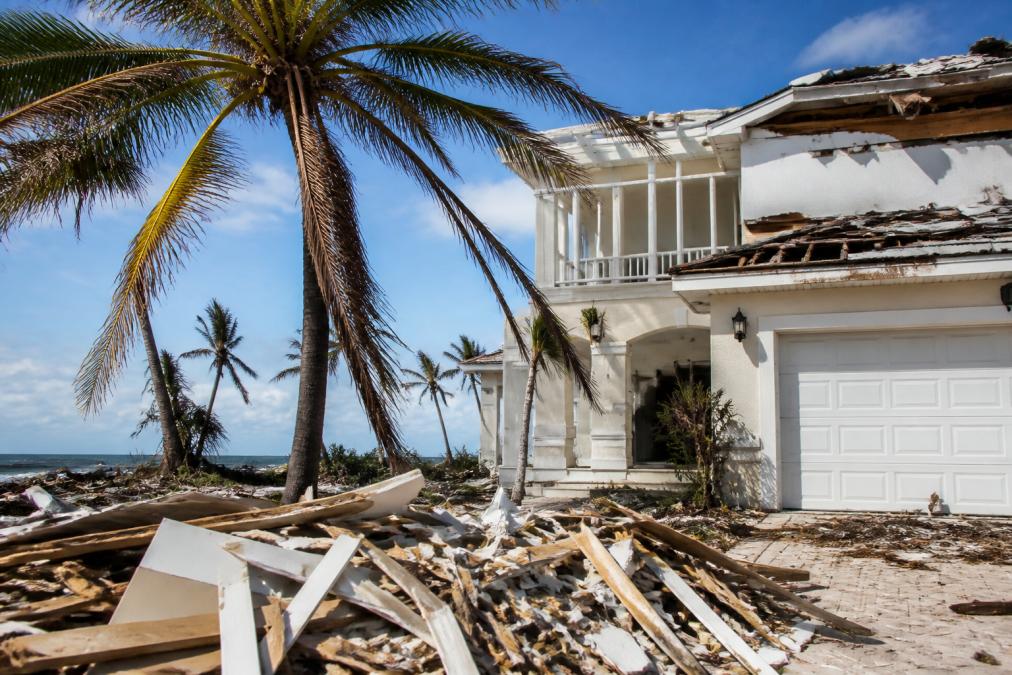
 how-to
Navigate Florida Property Insurance Reform 2026
Table of Contents
- What You Need to Know About Property Insurance Reform 2026
- Step 1: Review Your Current Policy and Renewal Notice
- Step 2: Understand How Roof Condition Requirements Changed
- Step 3: Tips for Lowering Florida Insurance Premiums
- Step 4: How to Compare Home Insurance Quotes
- Step 5: Understanding Florida Insurance Policy Limits
- Step 6: Appeal a Denied Rate Reduction
- What Happens If Your Insurer Is State-Backed
- Frequently Asked Questions
Last Updated: September 23, 2026
What You Need to Know About Property Insurance Reform 2026
Florida's property insurance reform 2026 represents a significant shift in how homeowners approach coverage. The changes affect everything from premium calculations to roof requirements and claims handling. Understanding these reforms helps you make better decisions about your policy.
The 2026 reforms focus on three main areas: litigation reform, underwriting standards, and consumer protections. These changes were designed to stabilize the market and reduce costs for policyholders. We've tracked these changes closely to help our clients navigate them effectively.
Here's what's shifting:
- Litigation filings are now restricted through one-way attorney fees limits
- Roof condition requirements have become more flexible
- Assignment of Benefits restrictions now apply to most policies
- Premium assessments are being recalculated across the market
The goal is straightforward: create a more sustainable insurance market while protecting your coverage.
Step 1: Review Your Current Policy and Renewal Notice
Your renewal notice contains critical information about how property insurance reform 2026 affects your rates and coverage. Start by gathering all your documents in one place.
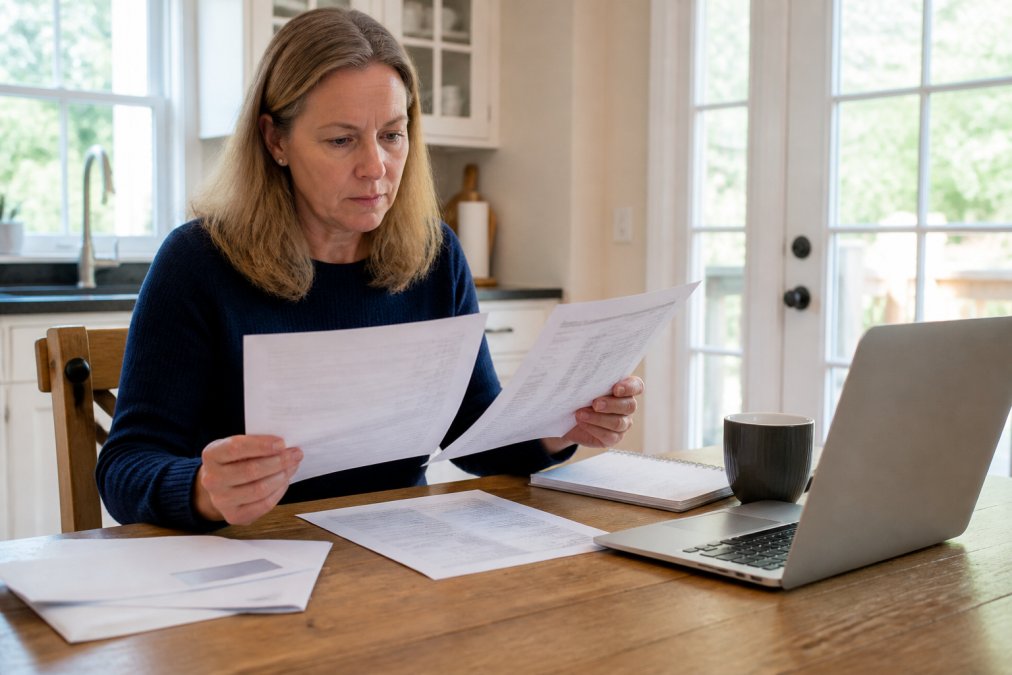
What to look for in your renewal documents
Your renewal notice should clearly state your current premium and any changes. Look for these specific items:
- Premium amount (new vs. old)
- Coverage limits for dwelling, personal property, and liability
- Deductible amounts (especially hurricane deductibles)
- Any exclusions or restrictions added
- Roof age and condition requirements
- Assignment of Benefits restrictions
Most renewal notices include a summary page. Read it carefully. If anything seems unclear, contact your agent immediately.
Understanding premium reduction claims
Some homeowners qualify for rate relief under the 2026 reforms. This happens when your insurer recalculates your risk profile based on new underwriting guidelines. Premium reductions typically come from:
- Improved roof condition documentation
- Mitigation improvements you've made
- Bundling discounts (combining home and auto)
- Multi-peril coverage adjustments
- Long-term customer loyalty discounts
If your renewal notice shows a premium increase instead of a reduction, don't accept it without question.
Step 2: Understand How Roof Condition Requirements Changed
Roof condition has always mattered in Florida property insurance. The 2026 reforms made these requirements more reasonable and transparent. Your insurer can no longer deny coverage based on vague roof assessments.
Under the new rules, roofs are evaluated using clear standards. A roof can be:
- Acceptable, Less than 15 years old with no major damage
- Conditional, 15-25 years old but in good repair
- Non-renewable, Over 25 years old or showing significant wear
Your insurer must provide a detailed roof inspection report if they cite roof condition as a reason to raise rates or deny coverage. You have the right to request a second opinion from an independent inspector.
If your roof is flagged, you have options. You can repair or replace it, get a roof certification from a licensed contractor, or shop for coverage with an insurer that accepts older roofs. Many insurers now offer coverage for homes with roofs up to 30 years old if they're well-maintained. Proactive maintenance often reveals underlying issues that require a formal storm damage repair to ensure your home remains eligible for standard policy renewals.
Document your roof's condition with photos and maintenance records. This protects you if a dispute arises about whether repairs are needed.
Step 3: Tips for Lowering Florida Insurance Premiums
The 2026 reforms created new opportunities to reduce what you pay. These strategies work best when combined.
Mitigation discounts and eligibility
Mitigation improvements are upgrades that reduce risk. Common mitigation measures include:
- Installing storm shutters or impact-resistant windows
- Reinforcing roof-to-wall connections
- Adding secondary water barriers
- Installing backup power systems
- Upgrading garage doors to wind-resistant models
Most insurers offer discounts ranging from 5% to 25% for these improvements. The discount depends on which upgrades you complete and your insurer's specific guidelines.
Call Us and Get a Quote Today! →
To qualify, you typically need:
- Proof of professional installation (receipts and contractor licenses)
- Before-and-after photos
- A mitigation report from a qualified inspector
- Documentation of when work was completed
Start with the upgrades that offer the biggest discounts relative to cost. Impact-resistant windows and roof reinforcement usually provide the best return. Ask your agent which mitigation improvements your specific home qualifies for, they can identify the most cost-effective options for your situation.
Multi-peril coverage and bundling options
Bundling home and auto insurance with the same carrier typically saves 10-20% on your total premiums. This is one of the easiest ways to lower costs immediately.
Multi-peril coverage combines multiple types of protection into one policy.
Step 4: How to Compare Home Insurance Quotes
Getting multiple quotes is the best way to find competitive rates after the 2026 reforms. Comparison shopping takes time but often saves hundreds of dollars annually.
When requesting quotes, provide identical information to each insurer:
- Same coverage limits (dwelling, personal property, liability)
- Same deductibles
- Same roof age and condition documentation
- Same mitigation improvements
- Same claims history
Evaluating insurer solvency and stability
Price isn't everything. Your insurer must be financially stable enough to pay claims when disaster strikes. The 2026 reforms included stricter capital requirements for insurers, but not all companies meet the same standards.
Check your insurer's financial strength using these resources:
- A.M. Best ratings (shows financial stability)
- Complaints filed with the state insurance commissioner
- Customer satisfaction ratings from independent review sites
- Years in business and market history
Step 5: Understanding Florida Insurance Policy Limits
Your policy limits determine how much your insurer will pay for various types of damage. Setting appropriate limits is crucial.
Most policies include three main coverage types:
- Dwelling coverage, Repairs to your home's structure
- Personal property coverage, Your belongings inside the home
- Liability coverage, Legal protection if someone is injured on your property
Coverage gaps and assignment of benefits restrictions
Coverage gaps are areas where your policy doesn't protect you. Common gaps include:
- Flood damage (requires separate flood insurance)
- Earthquake damage (rarely covered in Florida)
- Wear and tear or maintenance issues
- Business property kept at home
- High-value items without additional riders
Step 6: Appeal a Denied Rate Reduction
If your insurer denies a rate reduction you believe you qualify for, you have options. The 2026 reforms strengthened consumer protections around rate decisions.
Step 2: Gather supporting documentation. Collect evidence that contradicts their reason:
- Roof inspection reports from independent inspectors
- Mitigation improvement receipts and photos
- Maintenance records showing home improvements
- Quotes from other insurers showing lower rates for similar coverage
What Happens If Your Insurer Is State-Backed
A state-backed insurer (Citizens Property Insurance in Florida) is your coverage of last resort. If you can't find private coverage, you may end up here. Understanding what this means protects you.
- You make significant home improvements
- Your roof age improves (as years pass)
- You complete mitigation upgrades
- Your claims history improves
| Step | Action | Timeline | Outcome |
|---|---|---|---|
| 1 | Review renewal notice | Immediately | Identify changes and issues |
| 2 | Gather documentation | 1-2 weeks | Prepare for quotes or appeals |
| 3 | Request quotes | 2-3 weeks | Compare rates from multiple insurers |
| 4 | Evaluate solvency | 1 week | Verify insurer stability |
| 5 | Make decision | 1 week | Choose new insurer or stay current |
| 6 | Implement changes | Ongoing | Complete mitigation projects if needed |
Frequently Asked Questions
What are the main changes in the 2026 property insurance reform that affect my premium?
The 2026 property insurance reform introduces several key changes: stricter roof condition requirements, restrictions on Assignment of Benefits (AOB), one-way attorney fees limitations, and litigation filing reforms. These changes reduce insurer losses and can result in premium reductions for compliant policyholders. Rate relief depends on your insurer's underwriting guidelines and your home's condition. Contact your agent to verify specific reductions on your policy.
How do I verify if my insurer is affected by 2026 reforms and will reduce my rates?
Check your renewal notice for any rate reduction language or contact your insurance agent directly. Not all carriers pass savings equally. Review your policy documents for mentions of litigation reform compliance or premium adjustments. If your insurer is state-backed or operates under regulatory oversight, they're likely implementing reform-mandated changes. Your agent can help you verify your carrier's status and identify available rate relief.
What should I do if my rate reduction claim is denied?
Request a written explanation from your insurer detailing why the reduction was denied. Review your policy for roof condition, claims history, or coverage gaps that may have disqualified you. Document any home improvements or mitigation measures you've completed. File a formal appeal with your insurer, including evidence of compliance with new underwriting guidelines. If the appeal is denied, consult with your agent about switching carriers or filing a complaint with the state insurance regulator.
How do the new roof condition requirements affect older homes?
The 2026 reforms tightened roof condition standards. Roofs over a certain age may require inspection or replacement for coverage eligibility. Older homes built before certain dates face stricter scrutiny. If your roof doesn't meet current guidelines, you may face higher premiums, coverage denial, or mandatory upgrades. Get a professional roof inspection and document its condition. Dehlinger Insurance specializes in coverage for older homes and can help you navigate these requirements and find carriers willing to insure your property.