 ultimate-guide
Why Florida Auto Insurance Is So Expensive
Table of Contents
- Florida's No-Fault Insurance System Drives Up Costs
- High Rate of Uninsured Drivers Increases Your Premium
- Hurricane Risk and Severe Weather Impact
- Litigation and Insurance Fraud Raise the Litigation Tax
- Population Density and Traffic Congestion
- Rising Vehicle Repair Costs and Medical Inflation
- Factors Affecting Auto Insurance Rates in Your Area
- How to Lower Car Insurance Premiums
Last Updated: August 11, 2026
Florida's No-Fault Insurance System Drives Up Costs
Florida's no-fault insurance system requires every driver to carry personal injury protection (PIP) coverage, which pays medical expenses and lost wages regardless of who caused an accident. While designed to reduce litigation and speed claims processing, it created vulnerabilities to fraud and excessive claims. Medical providers can bill PIP coverage directly, leading to inflated treatment costs and unnecessary procedures. Physical therapy clinics, chiropractors, and urgent care centers have proliferated specifically to capture PIP claims, often ordering expensive imaging and prolonged treatment plans.
The system also eliminated incentives for injured parties to settle quickly. Because PIP covers medical expenses automatically, claimants have less motivation to negotiate reasonable treatment costs. Insurers end up paying for extended care periods, and these structural inefficiencies get passed directly to you through higher premiums. Insurance companies must build these predictable cost increases into their underwriting models, guaranteeing higher medical claims per accident.
Dehlinger Insurance works with carriers that understand Florida's unique regulatory environment and can help you navigate these mandatory coverage requirements while finding the most competitive rates available.
High Rate of Uninsured Drivers Increases Your Premium
Approximately one in five drivers on Florida roads operates without valid insurance coverage. When uninsured drivers cause accidents, your uninsured motorist coverage kicks in to pay for your injuries and vehicle damage. Insurers must reserve capital for these claims and recover those costs by raising premiums on all policyholders.
The uninsured driver problem stems from Florida's large population of low-income residents, seasonal workers with temporary residency, and lenient enforcement of insurance requirements. When uninsured drivers cause collisions, insured drivers file claims under their uninsured motorist coverage, but the insurer has no way to recover those costs from the at-fault party. That loss gets distributed across the entire pool of insured drivers in the state.
Your uninsured motorist coverage is mandatory in Florida, meaning you're paying for protection against a problem created by others' non-compliance. Carriers price this coverage by calculating the probability of hitting an uninsured driver and typical claim costs. In states with lower uninsured rates, this coverage costs significantly less because the risk is genuinely lower.
Hurricane Risk and Severe Weather Impact
Florida's geography makes it the most hurricane-prone state in the nation, with the Atlantic hurricane season running from June through November. Insurers price comprehensive coverage based on historical loss data and climate projections. The 2004-2005 hurricane seasons cost the insurance industry billions of dollars in Florida alone, informing current pricing models.
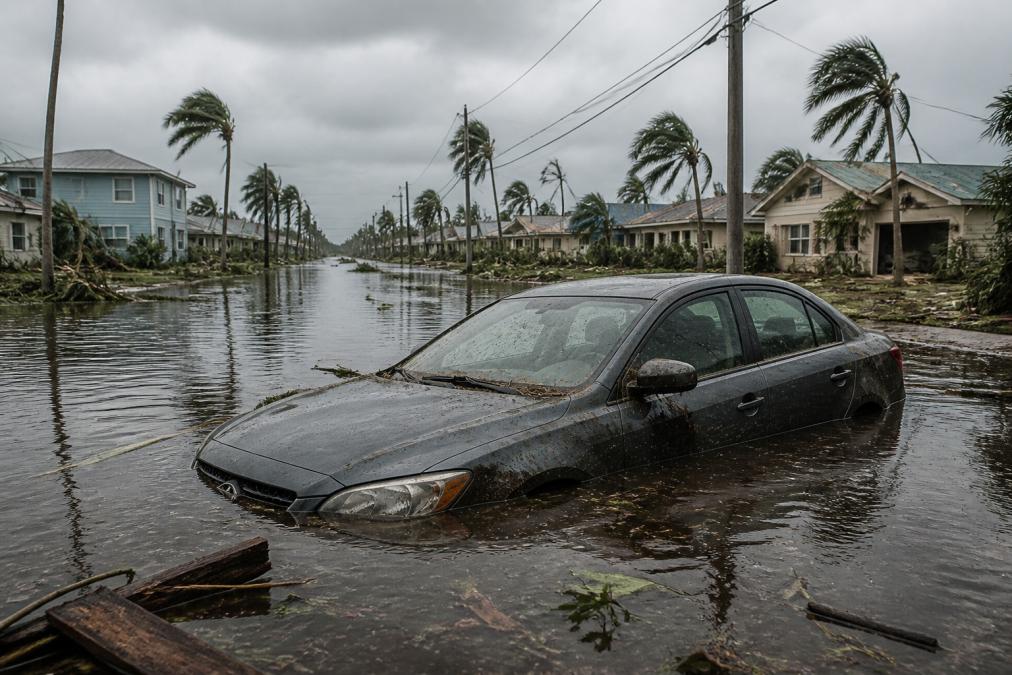
Beyond hurricanes, Florida experiences frequent thunderstorms, hail events, and flooding that damage vehicles. Comprehensive coverage claims spike during storm season, and insurers adjust their loss reserves accordingly. Some insurers have exited the Florida market entirely due to catastrophic loss exposure, reducing competition and typically driving prices up. Dehlinger Insurance maintains relationships with multiple carriers that continue operating in Florida despite the weather risk.
Climate change has intensified this problem. Rising sea levels increase flood risk in coastal areas, and warmer ocean temperatures fuel more powerful storms. Insurance actuaries are updating their models to reflect these changing conditions, translating to higher premiums as risk assessments become more conservative.
Litigation and Insurance Fraud Raise the Litigation Tax
Florida consistently ranks among the highest for insurance fraud claims, particularly in auto insurance. The prevalence of fraudulent claims creates what industry professionals call the "litigation tax": a surcharge built into every premium to cover investigation, defense, and payment of fraudulent claims.
Staged accidents represent the most common fraud scheme. Individuals deliberately cause low-speed collisions, then file inflated medical claims for injuries that never occurred or are grossly exaggerated. The no-fault system enables this fraud because PIP coverage pays medical bills without requiring proof of injury severity. Proving fraud requires expensive investigation and litigation, so many insurers settle fraudulent claims rather than spend more on defense than the claim is worth.
Florida's legal environment also contributes to litigation costs. The state allows injured parties to recover attorney fees from insurers in certain cases, which incentivizes litigation over settlement. Organized fraud rings operate with sophistication, recruiting accident victims, medical providers willing to overbill, and attorneys to handle claims. As long as fraud remains profitable, insurers must assume that some percentage of claims are fraudulent and price accordingly.
Population Density and Traffic Congestion
Florida's population has grown to over 22 million residents, creating severe traffic congestion in major metropolitan areas like Miami, Tampa, and Orlando. Higher population density correlates directly with higher accident frequency, which is a primary driver of auto insurance costs. More drivers on the road means more opportunities for accidents, and congested highways increase the probability of rear-end collisions and multi-vehicle pileups.
Insurers track accident frequency by ZIP code and adjust rates accordingly. Areas with heavy traffic congestion consistently show higher claim frequency, translating to higher premiums for drivers in those regions. Florida's roads are also designed for a smaller population, creating bottlenecks that increase accident risk. Drivers in rural areas of Florida pay significantly less than drivers in Miami or Tampa, reflecting the genuine difference in accident risk.
Rising Vehicle Repair Costs and Medical Inflation
Vehicle repair costs in Florida have increased substantially, driven by supply chain disruptions, labor shortages, and the increasing complexity of modern vehicles. Modern vehicles contain sophisticated electronics and specialized components requiring certified technicians. A minor fender-bender that would have cost $2,000 fifteen years ago might now cost $5,000 or more.
Medical inflation compounds this problem. Treatment costs for accident injuries have risen faster than general inflation. The no-fault system's PIP coverage pays these inflated medical bills directly, meaning insurers face higher claims costs per accident. Labor shortages in the auto repair industry have also driven up costs, as certified technicians command higher wages due to increased demand and limited supply. These cost increases get passed to policyholders through higher premiums.
Call Us and Get a Quote Today! →
Factors Affecting Auto Insurance Rates in Your Area
Your specific auto insurance premium depends on multiple factors beyond statewide trends. Your driving record is the single most important factor, a clean record qualifies you for the best rates, while even one at-fault accident can increase your premium by 20-40%.
Your vehicle's age, make, model, and safety features all affect your rate. Newer vehicles with advanced safety systems typically cost less to insure. Your credit score influences your rate at most Florida insurers, as drivers with higher credit scores file fewer claims. Your age and driving experience matter significantly, teenage drivers and drivers over 75 pay higher premiums due to accident statistics.
Your coverage limits and deductibles directly affect your premium. Higher deductibles lower your premium because you're accepting more financial risk. The number of drivers on your policy, your annual mileage, and whether you bundle home and auto insurance all factor into your rate calculation.
How to Lower Car Insurance Premiums
The most effective way to lower your premium is to maintain a clean driving record. Defensive driving reduces accident risk and keeps your premiums low. Taking a defensive driving course can qualify you for a 5-10% discount with most carriers.

Bundle your home and auto insurance policies with the same carrier. Most insurers offer significant discounts, typically 15-25%, when you insure both your home and vehicle with them. Increase your deductible if you have emergency savings to cover it, moving from a $250 deductible to a $1,000 deductible can reduce your comprehensive and collision premiums by 15-30%.
Ask your insurer about all available discounts, including good driver discounts, safety feature discounts, low-mileage discounts, paperless billing discounts, and automatic payment discounts. Consider usage-based insurance programs if your insurer offers them, safe drivers can earn discounts of 10-30%.
Shop your insurance every two to three years, even if you're satisfied with your current carrier. Getting quotes from multiple carriers can save hundreds of dollars annually. Working with an experienced insurance agent can help you compare quotes from multiple carriers without contacting each one individually.
Ask about discounts for paying your premium in full rather than monthly, some carriers offer 5-10% discounts for annual payment. Review your coverage limits annually. If your vehicle is older and paid off, you might not need comprehensive and collision coverage anymore. Maintain continuous coverage without lapses, as drivers with coverage gaps pay higher premiums.
Why Florida auto insurance is so expensive comes down to regulatory requirements, environmental risk, and market dynamics unique to the state. Florida's no-fault system, high uninsured driver rates, hurricane exposure, and litigation environment all contribute to premiums that exceed the national average.
The good news is that you have control over several premium factors. Your driving record, deductible choices, bundling decisions, and shopping discipline directly affect what you pay. Working with an experienced insurance agent who understands Florida's market can help you navigate these options and find coverage that protects you without unnecessary overpayment.
Dehlinger Insurance has spent over 38 years helping Florida residents find affordable, reliable auto insurance coverage tailored to their specific needs. Our team works with multiple top-tier carriers to compare rates and identify the best options for your situation. Call us and get a quote today to see how much you could save.
Frequently Asked Questions
How can I lower my auto insurance premiums in Florida?
Start by shopping around with multiple carriers and asking about discounts for bundling home and auto coverage, safe driving records, and telematics programs that monitor your driving habits. Increase your deductibles if you can afford the out-of-pocket cost, maintain continuous coverage to avoid lapses, and review your policy annually. Many insurers offer discounts for completing defensive driving courses. Working with an experienced local agent who understands regional rate variations can help identify savings opportunities you might miss shopping online alone.
What factors affecting auto insurance rates matter most in Florida?
Your driving record, age, and vehicle type are primary factors. In Florida specifically, the no-fault insurance system, high uninsured motorist rates, and litigation risk significantly increase underwriting costs passed to policyholders. Geographic location within the state affects rates due to population density and hurricane exposure. Claims history, credit score, and coverage limits also influence your premium. Personal injury protection (PIP) requirements under Florida's no-fault law add mandatory costs that don't exist in other states.
Is the average cost of car insurance per month in Florida higher than other states?
Yes. Florida's average auto insurance premiums are substantially higher than the national average due to the combination of no-fault law requirements, high accident frequency, uninsured motorist coverage needs, and hurricane risk. The state's litigation environment and fraud rates also contribute to elevated loss ratios that insurers pass along through higher premiums. Exact monthly costs vary based on coverage type, deductibles, and individual risk factors, but Florida consistently ranks among the most expensive states for auto insurance.
Will my insurance rates go down if I switch to a usage-based program?
Usage-based insurance programs using telematics can lower your premiums if you're a safe driver. These programs monitor your driving habits, speed, braking patterns, and time of day you drive. Safe drivers often see discounts of 10-30%. However, in Florida's high-risk environment with frequent accidents and litigation, these savings may be more modest than in lower-risk states. Ask your insurer about their telematics program and potential savings before enrolling, as results vary by carrier and individual driving patterns.
This article was written using GrandRanker