 how-to
4-Point Inspection for Older Homes: A Complete Guide
Table of Contents
- What Is a 4-Point Inspection for Older Homes?
- The Four Systems Covered in a 4-Point Inspection
- Why Insurance Companies Require a 4-Point Inspection
- 4-Point Inspection Checklist: What the Inspector Looks For
- How Long Does a 4-Point Inspection Take?
- Common 4-Point Inspection Failures and What They Mean
- How to Prepare Your Older Home for a 4-Point Inspection
- What Happens if Your Home Fails the Inspection?
- Frequently Asked Questions
Last Updated: September 19, 2026
What Is a 4-Point Inspection for Older Homes?
A 4-point inspection for older homes is a focused evaluation that insurance companies use to assess the condition of four critical systems in a house. These inspections examine the roof, electrical system, plumbing, and HVAC unit. Unlike a full home inspection, which covers dozens of components, a 4-point inspection zeros in on the systems most likely to fail in older properties.
Insurance companies require these inspections because older homes carry higher risk. A roof that's 20 years old might leak. Wiring from the 1970s could overheat. Old plumbing materials corrode. A failing HVAC system becomes expensive fast. By checking these four systems upfront, insurers decide whether to cover the home and at what premium.
Many homeowners discover they need a 4-point inspection when applying for coverage or renewing a policy. The inspection takes a few hours, costs a reasonable amount, and provides clear answers about what needs repair.
The Four Systems Covered in a 4-Point Inspection
A certified home inspector examines each system methodically. They look for visible damage, age, wear, and code violations. The goal is straightforward: determine if each system works safely and will last another few years.
Roof Condition and Age
The roof is the first line of defense against weather. Inspectors check the age, material, and visible condition. They look for missing shingles, curling edges, rust stains, and leaks inside the attic.
Most insurance companies want roofs to be under 20-25 years old. If your roof is older, expect the insurer to require replacement before coverage begins. Asphalt shingles typically last 15-20 years. Metal roofs last longer. Tile roofs can last 50+ years but are heavy and need structural support.
The inspector walks the roof or views it from the ground with binoculars. They note the material, estimate remaining life, and flag any repairs needed. A roof in poor condition is one of the most common reasons for inspection failure.
Electrical System and Panel
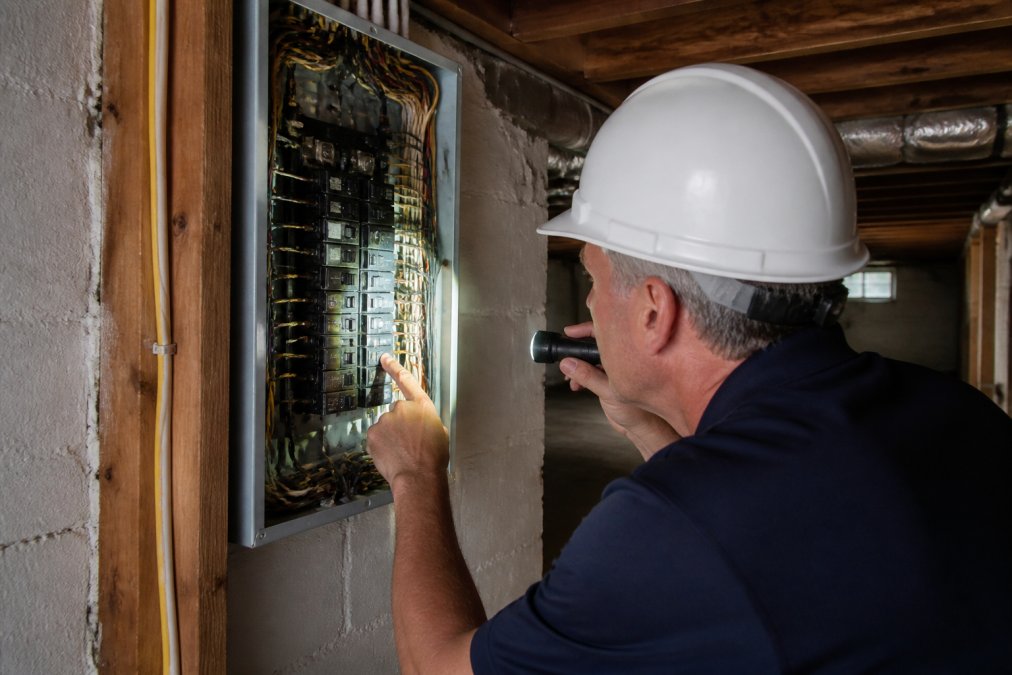
The electrical panel is where power enters your home and distributes to circuits. Inspectors examine the panel type, size, and condition. They check for outdated components, corrosion, and safety hazards.
Older homes often have aluminum wiring, which corrodes over time and poses fire risk. Knob-and-tube wiring is even older and unsafe by modern standards. Federal Pacific Electric (FPE) panels and Zinsco panels are known for defects. If your home has any of these, the insurer will likely require upgrades before coverage.
The inspector also counts circuits, checks for proper grounding, and verifies the panel is accessible. They look inside the panel box for signs of heat damage or loose connections. Electrical issues are serious because they create fire hazards.
Plumbing Materials and Integrity
Water lines and drain pipes degrade with age. Inspectors check the material, age, and visible leaks. They test water pressure and look for stains that indicate past leaks.
Galvanized steel pipes, common in homes built before 1960, rust from the inside out. You can't see the problem until water flow drops or pipes burst. Polybutylene plastic pipes, used in the 1980s-1990s, become brittle and crack. Copper is durable but can corrode in acidic water. Cast iron drains last a long time but can rust through.
The inspector examines visible pipes under sinks and in the basement. They check for leaks, corrosion, and proper slope. If plumbing materials are failing, replacement costs add up fast.
HVAC System Assessment
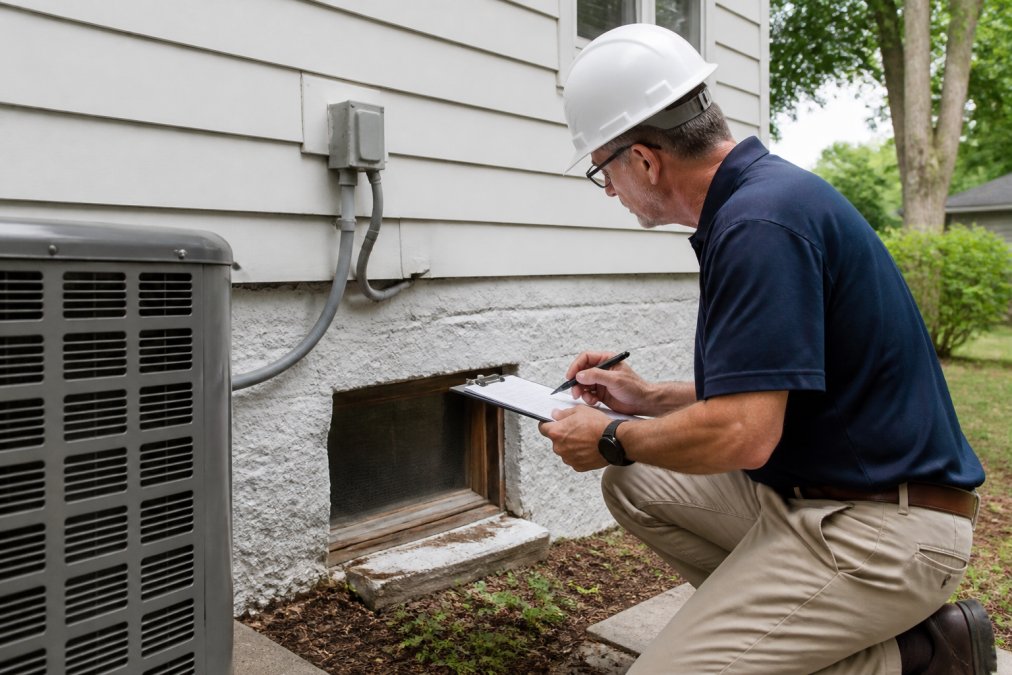
The heating, ventilation, and air conditioning system keeps your home comfortable. Inspectors check the age, type, and working condition of the furnace, air conditioner, and thermostat.
Most HVAC systems last 15-20 years. Older units become inefficient and costly to repair. The inspector verifies the system turns on, runs without strange noises, and produces heat or cool air. They check for rust, leaks, and proper ventilation.
If your HVAC is near the end of its life, the insurer may require replacement or a service contract to maintain it. A failing system is less critical than roof or electrical problems but still matters for coverage.
Why Insurance Companies Require a 4-Point Inspection
Insurance underwriters use the 4-point inspection to assess risk. Older homes fail more often because systems wear out. A home built in 1980 has different risk than one built in 2010.
The inspection answers a simple question: Is this home safe to insure?
4-Point Inspection Checklist: What the Inspector Looks For
The inspector uses a standardized checklist. They document the condition of each system with photos and notes. Here's what they examine:
Roof:
Call Us and Get a Quote Today! →
- Age and material type
- Visible damage, leaks, or deterioration
- Flashing around chimneys and vents
- Gutter condition and drainage
Electrical:
- Panel type and age
- Wiring material and condition
- Grounding and bonding
- Signs of overheating or corrosion
Plumbing:
- Pipe material and age
- Visible leaks or water stains
- Water pressure and flow
- Drain functionality
HVAC:
- Furnace or heat pump age
- Air conditioning condition
- Thermostat operation
- Ductwork and ventilation
How Long Does a 4-Point Inspection Take?
Most 4-point inspections take 1-2 hours. The exact time depends on home size, system accessibility, and condition. A small, well-maintained home might take 60 minutes. A large home with hard-to-reach systems might take 90 minutes or more.
Common 4-Point Inspection Failures and What They Mean
Roof over 20-25 years old. Most insurers won't cover roofs past this age. You'll need replacement before coverage begins.
How to Prepare Your Older Home for a 4-Point Inspection
Simple preparation helps the inspection go smoothly. Clear pathways to the attic, basement, and electrical panel. Remove clutter so the inspector can access systems easily.
| Preparation Task | Time Needed | Impact |
|---|---|---|
| Clear attic access | 15 minutes | Allows roof and structure inspection |
| Clear basement path | 15 minutes | Allows plumbing and HVAC inspection |
| Clear electrical panel area | 10 minutes | Allows panel examination |
| Document recent repairs | 10 minutes | Provides context for inspector |
| Set thermostat | 2 minutes | Allows HVAC testing |
What Happens if Your Home Fails the Inspection?
A failed inspection doesn't end your home insurance search, it signals which systems need repair before coverage begins. Your insurer will provide a list of required repairs, and understanding the cost, timeline, and priority of each helps you decide your next move.
Repair Priority and Cost Reality
Roof failures (age 20+ years). This is the most common failure and the hardest to negotiate. Most insurers will not issue a policy until the roof is replaced. Replacement cost ranges from $8,000 to $15,000+ depending on size, pitch, and material. Timeline: 1-2 weeks for installation after contractor scheduling. This is rarely waivable; budget for it as a prerequisite to coverage.
Your Decision Tree After Failure
Option 1: Make the repairs. This is the straightforward path. Get contractor estimates, complete the work, and resubmit the inspection report to your insurer. Most insurers will issue coverage once repairs are documented. Timeline: 2-8 weeks depending on repair scope and contractor availability. Cost: See ranges above.
Option 2: Negotiate with your current insurer. Before walking away, ask if they'll accept:
- A licensed contractor's certification of safety (especially for electrical)
- A service contract for HVAC (annual maintenance agreement)
- A higher deductible or premium in exchange for waiving a repair requirement
- A grace period (30-90 days) to complete repairs after policy issuance
Timeline and Documentation
Once you choose a path, understand the timeline. If you repair:
- Hire contractors and get written estimates (1 week)
- Schedule work (1-4 weeks depending on contractor availability)
- Complete repairs (3-7 days for most work)
- Obtain permits and final inspection if required (1-2 weeks)
- Submit proof of repair to your insurer (1-2 weeks for underwriting review)
Total: 6-12 weeks from failure to coverage. Plan accordingly, especially if you're buying a home and need insurance before closing.
Red Flags in Repair Quotes
When getting contractor estimates, watch for:
- Quotes significantly lower than the ranges above (may indicate poor quality)
- Contractors unwilling to provide written estimates or warranties
- Pressure to pay upfront before work begins
- Vague descriptions of what's included (e.g., "roof repair" without specifying full replacement)
Always get 2-3 estimates and verify contractor licensing through your state's licensing board.
When to Walk Away
If repairs exceed 20-30% of your home's value, or if multiple systems need replacement simultaneously, consider whether the home makes financial sense. A $200,000 home requiring $40,000 in repairs is a different calculation than a $500,000 home with the same repairs. Sometimes, walking away and finding a newer property is the smarter financial move.
Frequently Asked Questions
Why do insurance companies require a 4-point inspection for older homes?
Insurance companies use 4-point inspections to assess risk and determine underwriting requirements for homes over 25-30 years old. These inspections evaluate the condition of critical systems, roof, electrical, plumbing, and HVAC, that are more likely to fail as a home ages. A visual evaluation of these systems helps insurers decide whether to offer coverage, set premiums, or request repairs before issuing a homeowners insurance policy.
What is included in a 4-point inspection checklist?
A 4-point inspection checklist covers four main systems: roof condition and remaining lifespan, electrical panel and wiring type, plumbing materials and corrosion, and HVAC system age and functionality. The certified home inspector documents the visual condition of each system, notes any defects or maintenance needs, and identifies safety hazards. The report helps your insurance agent assess whether your older home meets the carrier's underwriting requirements.
How long does a 4-point inspection take?
A typical 4-point inspection takes 1 to 2 hours, depending on the home's size and system accessibility. The licensed professional evaluates only the four core systems rather than conducting a full home inspection, which saves time. After the visual evaluation, the inspector prepares a detailed report documenting the condition of each system and any defects found.
What are common 4-point inspection failures for older homes?
Common failures include outdated electrical panels (Federal Pacific or Zinsco brands), galvanized plumbing showing corrosion, roof age exceeding 25-30 years, and HVAC systems nearing the end of their lifespan. Other issues include cloth or aluminum wiring, evidence of water damage, and non-functional heating or cooling. If your inspection report identifies these defects, your insurance policy may be denied or require repairs before coverage begins.