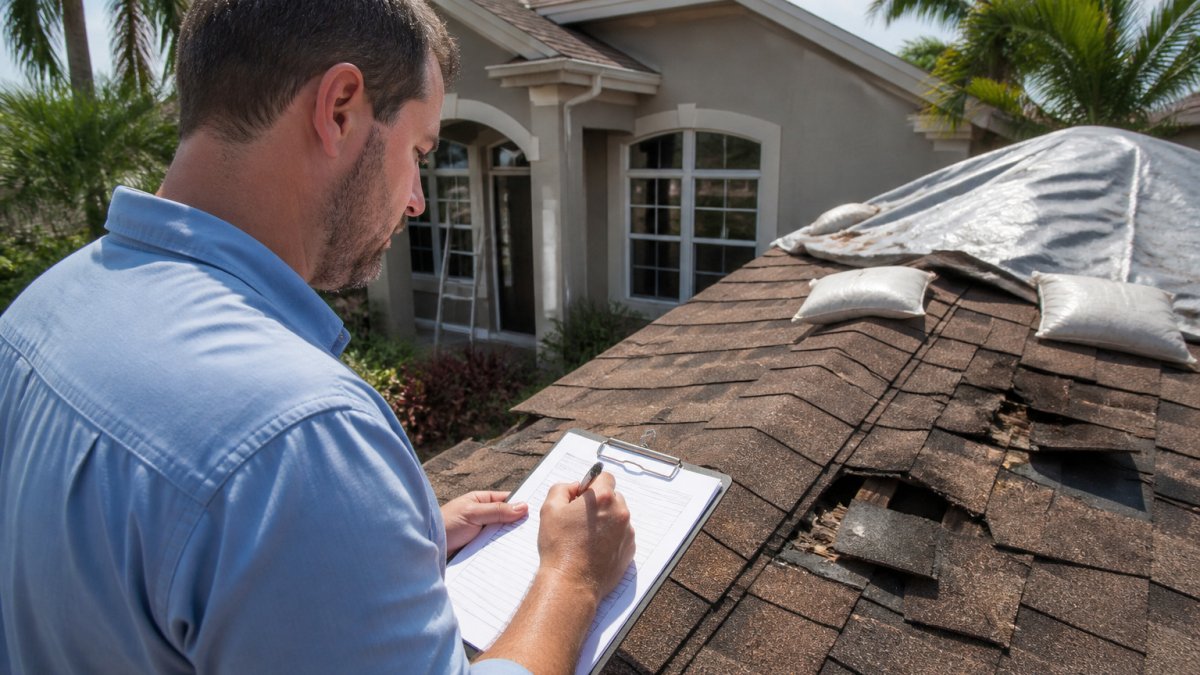
 how-to
Does Florida Home Insurance Cover Roof Replacement?
Last Updated: October 29, 2026
Quick Summary
Yes, does Florida home insurance cover roof replacement when a sudden, covered event like a storm or falling tree damages the roof. Normal aging and wear are usually excluded, and the payout depends on your policy type, roof age, and any windstorm deductible.
- Sudden storm, hail, or falling-object damage is typically covered; gradual wear is typically not.
- Replacement cost policies pay far more than actual cash value policies, which subtract depreciation.
- Hurricane and windstorm damage often falls under a separate, usually higher, deductible.
- Some insurers pay only actual cash value for roofs above a set age.
- Document damage with photos and get written estimates before any repairs begin.
Table of Contents
- When Florida Homeowners Insurance Pays for a New Roof
- Covered Perils: Hurricane, Wind, Hail, and Falling Objects
- Exclusions: Wear and Tear, Neglect, and Aging Roofs
- Florida Roof Age Insurance Requirements and the 15-Year Rule
- Florida 25% Roof Replacement Rule Explained
- Step-by-Step: The Roof Replacement Insurance Claim Process
- 1. Document the Damage Before Anything Moves
- 2. Mitigate Further Damage
- 3. Report the Claim Promptly
- 4. Prepare for the Adjuster Visit
- 5. Get Independent Written Estimates
- 6. Compare Scope, Not Just the Bottom Line
- 7. Understand How the Payout Is Calculated
- 8. Review the Settlement and Negotiate
- 9. Complete the Work and Submit Invoices
- 10. Keep a Complete Claim File
- Denied, Partial, or Disputed: Your Next Steps After a Roof Claim Denial in Florida
- Frequently Asked Questions
When Florida Homeowners Insurance Pays for a New Roof
Does Florida home insurance cover roof replacement? Yes, but only when the damage comes from a covered cause and your policy pays for it.
Most policies cover a roof when a sudden, covered event damages it, a storm that tears off shingles or a tree that crashes through the decking.
Here is what usually decides the outcome:
- Cause of damage: Sudden storm damage is typically covered. Gradual wear is typically not.
- Roof age: Older roofs may trigger payout limits or coverage restrictions.
- Policy type: Replacement cost and actual cash value policies pay very different amounts.
Watch out: Some policies pay only actual cash value for roofs above a set age.
Read your declarations page and roof endorsement before you assume anything.
Covered Perils: Hurricane, Wind, Hail, and Falling Objects
Covered perils are the specific causes of loss your policy agrees to pay for.
Wind damage is the biggest issue along the Florida coast.
Falling objects are simpler. If a tree branch breaks a section of your roof, the damage usually qualifies.
- Hurricane and windstorm damage often fall under a separate wind or hurricane deductible.
- Hail damage may need a professional inspection to confirm the impact.
- Tree damage usually counts as covered when a storm or sudden event causes the fall.
Many homeowners find the windstorm deductible is higher than their standard deductible. Check your policy so the cost does not surprise you later.
Exclusions: Wear and Tear, Neglect, and Aging Roofs
Exclusions are the causes of damage your policy does not cover. The most common exclusions for roofs are wear and tear, lack of maintenance, and general aging.
Neglect is another common reason claims get denied.
Here is how insurers often separate covered damage from excluded damage:
- Covered: A storm lifts shingles off in one night.
- Excluded: Shingles curl and crack after years of sun exposure.
- Excluded: A slow leak rots the roof deck because repairs were delayed.
Aging alone is rarely enough to deny a claim if a covered storm caused the damage. An adjuster will look for the cause, not just the condition.
Florida Roof Age Insurance Requirements and the 15-Year Rule
Roof age is one of the most consequential and misunderstood variables in a roof claim. The so-called "15-year rule" is not a single statute requiring every roof older than 15 years to be replaced. In practice, it is a combination of insurer underwriting guidelines and Florida insurance law that treats older roofs differently at renewal, at claim time, and at inspection.
Here is what the rule does and does not do:
- It does not automatically require replacement. A roof past 15 years can often stay insured if an inspection report shows it has remaining useful life.
- It can trigger an inspection requirement. Many carriers require a roof condition report before binding or renewing coverage on an older roof.
- It can change how a claim is paid. Some policies pay actual cash value, replacement cost minus depreciation, for roofs above a set age, rather than full replacement cost.
Inspection Is Not the Same as Replacement
A common misconception is that a failed or aging roof inspection means the insurer will force a replacement.
A roof can be 18 years old and still pass an inspection if it has been well maintained and shows no active deterioration. Conversely, a younger roof with storm damage or poor installation can fail. The inspection is about condition, not just the calendar.
What Florida Law Actually Addresses
Florida has enacted several insurance reforms in recent years that touch roof age, inspection requirements, and claim handling. These laws are frequently oversimplified online, so confirm current requirements with your insurer or agent and review Florida Office of Insurance Regulation and Florida Department of Financial Services resources for the most current guidance.
Florida Office of Insurance Regulation, roof age and inspection guidance
Key points homeowners should verify:
- Whether the policy requires a roof inspection at renewal and who pays for it.
- Whether the policy pays replacement cost or actual cash value for a roof above a stated age.
- Whether a claim settlement can require replacement within a set timeframe.
What to Do If Your Roof Is Near or Past 15 Years
Do not wait for a renewal notice to find out where you stand. Request a roof inspection from a licensed roofer before your policy renews, keep the report on file, and share it with your agent. If your carrier will not continue coverage, an independent agent can shop carriers that specialize in older roofs or accept a documented remaining useful life. Explore coverage options for older Florida roofs.
Florida 25% Roof Replacement Rule Explained
Some Florida policy language and insurer practices use a rule around how much of a roof must be damaged before a full replacement is paid, often described as a 25% threshold.
The rule changes the claim outcome: a storm damaging 10% of your shingles may lead to a patch repair, while 40% may lead to a full replacement.
Ask these questions when you review your policy:
Call Us and Get a Quote Today! →
- Does my policy use a percentage threshold for roof replacement?
- How is the damaged area measured and documented?
- Does the threshold apply to all roofing materials, or only shingles?
A licensed adjuster will typically measure damage and compare it to the threshold. Keep your own photos and notes to support your view of the damage.
Step-by-Step: The Roof Replacement Insurance Claim Process
A roof claim moves faster and settles more fairly when you follow a documented sequence. These steps reflect the workflow most practitioners recommend, with the documentation and payout mechanics that often decide the outcome.
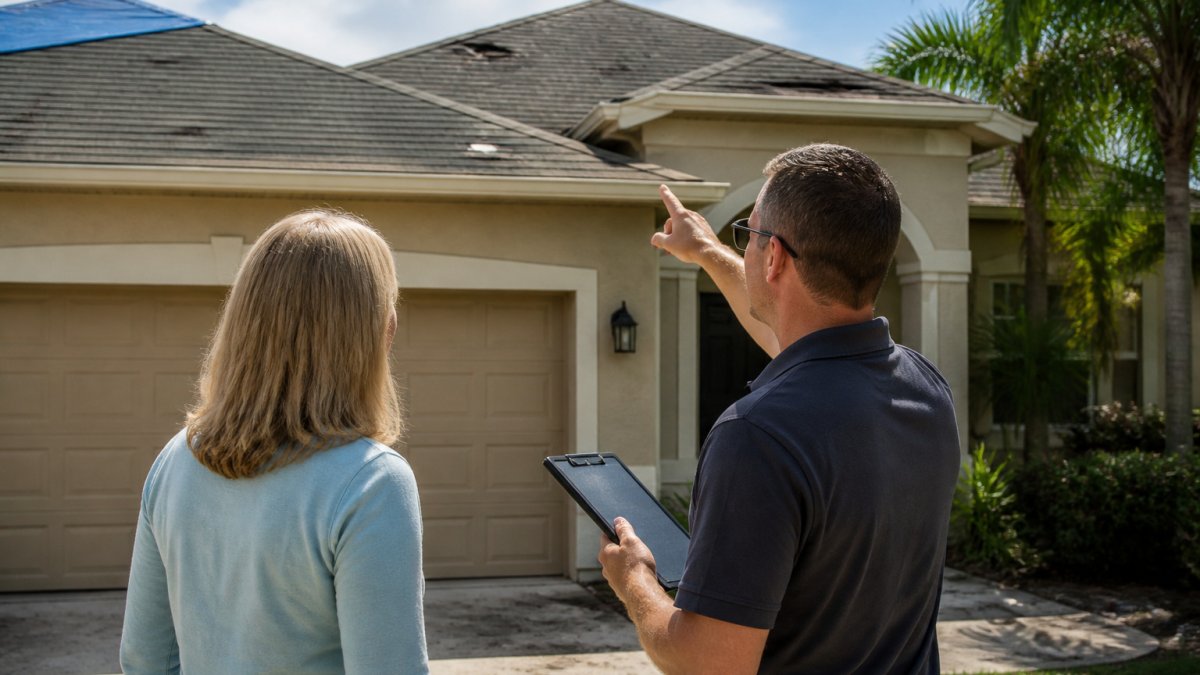
1. Document the Damage Before Anything Moves
Take wide photos of the entire roof from ground level, then close-ups of each damaged area. Photograph interior staining, missing shingles, lifted flashing, or debris. Note the date and time of the storm, keep a written timeline, and if safe, keep damaged materials and debris until the adjuster has seen them.
2. Mitigate Further Damage
Cover openings with tarps, board up broken sections, and stop active leaks. Keep every receipt for materials and labor. Most policies require reasonable mitigation, and those costs are often reimbursable as part of the claim.
3. Report the Claim Promptly
Contact your insurer as soon as you notice damage. Policies contain reporting deadlines, and Florida law sets time limits for filing claims and for bringing legal action. Missing a deadline can forfeit coverage even when the damage is clearly covered.
4. Prepare for the Adjuster Visit
Have your photos, timeline, receipts, and contractor observations ready. Walk the roof with the adjuster if safe and permitted, and ask what is being measured and how the scope of damage will be documented. The adjuster's report becomes the basis for the initial settlement offer.
5. Get Independent Written Estimates
Collect at least two written estimates from licensed roofing contractors. Ask each to itemize materials, labor, decking replacement, permits, and disposal. Itemized estimates make it easier to compare the adjuster's scope against real-world pricing.
6. Compare Scope, Not Just the Bottom Line
Line up the adjuster's report against your contractor estimates. Look for missing line items, decking, underlayment, flashing, ridge vents, permits, and disposal are common omissions. If the adjuster's scope is narrower, ask for a written explanation and submit a supplemental documentation package.
7. Understand How the Payout Is Calculated
This is where many homeowners are surprised. A replacement cost value (RCV) policy pays the cost to replace the roof with new materials, minus your deductible. An actual cash value (ACV) policy subtracts depreciation for age and wear first, so the check is smaller.
A simplified example illustrates the difference:
- Replacement cost of the roof: $20,000
- Depreciation for age and condition: $7,000
- Actual cash value: $13,000
These figures are illustrative only. Your actual numbers depend on your policy, your roof, and your carrier's depreciation schedule.
8. Review the Settlement and Negotiate
If the offer leaves out documented damage, submit a written supplement with photos, contractor estimates, and a clear explanation. Keep the tone factual and reference specific line items. Many disputes are resolved at this stage without escalation.
9. Complete the Work and Submit Invoices
Follow the policy's payment terms. If the policy holds back recoverable depreciation, submit the completed contract and invoices to release it. Keep all permits, inspection sign-offs, and final receipts.
10. Keep a Complete Claim File
Store emails, call logs, claim numbers, adjuster reports, estimates, and photos in one folder. A clean file makes supplements, reinspections, and any later dispute far easier.
Following this sequence does not guarantee a specific outcome, but it puts you in the strongest position to document covered damage, compare the adjuster's scope to real costs, and understand what your policy will actually pay.
The payout method often decides how much you actually receive, so the key differences are summarized below.
| Policy type | How it pays | Initial payout |
|---|---|---|
| Replacement cost value (RCV) | Cost to replace with new materials, minus deductible | Full amount after completed work and invoicing |
| Actual cash value (ACV) | Replacement cost minus depreciation for age and wear | Reduced amount, reflecting depreciation |
| ACV with recoverable depreciation | Pays ACV first, releases depreciation after work is invoiced | ACV up front, remainder after completion |
Denied, Partial, or Disputed: Your Next Steps After a Roof Claim Denial in Florida
A denied or partial roof claim is frustrating, but not always final. Contact our Orlando office for direct help with your roof claim dispute.
Next, gather your evidence. Compare the adjuster's findings to your photos, inspection report, and contractor estimate, looking for missing damage, wrong measurements, or a cause of loss misclassified as wear and tear.
Common next steps include:
- Request a reinspection and ask for a written explanation.
- Submit a supplemental claim if new damage appears later.
- Ask a licensed public adjuster or attorney to review the file.
Deadlines matter in disputes. Florida law sets time limits for reporting claims and for filing lawsuits, so act quickly once a denial arrives.
Frequently Asked Questions
Does Florida homeowners insurance cover a full roof replacement?
Florida homeowners insurance can cover a full roof replacement when the damage comes from a covered peril such as hurricane wind, hail, or a falling object, and the damage is sudden and documented. The policy usually pays for a full replacement only if the damage is extensive enough that repairs cannot restore the roof to similar quality. Your deductible, which in Florida is often a percentage of your dwelling coverage for named storms, applies before the insurer pays. Review your declarations page and ask your agent to confirm how your policy handles wind and hurricane deductibles.
What types of roof damage are covered by homeowners insurance?
Most Florida policies cover sudden, accidental damage from covered perils. That includes wind damage that lifts or tears shingles, hail that cracks or dents roofing materials, and storm damage from falling trees or debris. Damage caused by wear and tear, lack of maintenance, leaks left unrepaired, or gradual deterioration is typically excluded. Documenting the date of the event and taking photos soon after the storm strengthens a claim.
What should I do if my roof insurance claim is denied?
Ask the insurer for the denial in writing and the specific policy language it relied on. Get an independent roofing contractor or engineer to inspect the roof and document the damage. Compare the findings to the adjuster's report, and submit a written appeal or request a reinspection with your new evidence. If the dispute continues, you can contact the Florida Department of Financial Services, Division of Consumer Services, for assistance, and consider consulting an attorney or a licensed public adjuster.
Will insurance replace a roof damaged by a hurricane?
Yes, if the hurricane damage is a covered peril under your policy and your claim is filed within the deadlines Florida law sets. Hurricane claims often involve a separate wind or named-storm deductible, which is usually a percentage of your dwelling coverage. Keep photos, receipts for temporary repairs such as tarping, and a record of all communication with your insurer.
If your roof is damaged or your claim was denied, call Dehlinger Insurance today for a review and get a quote. We will explain your coverage in plain terms and help you protect your home.