 comparison
Knob and Tube Wiring Coverage in Florida
Table of Contents
- Why Knob and Tube Wiring Coverage Is Unavailable in Florida
- Understanding 4-Point Inspection Requirements for Older Homes
- The Cost to Replace Knob and Tube Wiring
- Insurance Carriers and Knob and Tube Wiring Policies
- How to Lower Insurance Premiums on Older Homes
- Documentation and Remediation Pathways to Insurability
- Your Next Steps: Getting Coverage Despite Knob and Tube Wiring
- Frequently Asked Questions
Last Updated: September 25, 2026
Why Knob and Tube Wiring Coverage Is Unavailable in Florida
Is knob and tube wiring coverage available in Florida? The short answer is no. Most standard homeowners insurance carriers simply won't write a policy on a property with active knob and tube wiring. This isn't a regional quirk, it's an industry-wide underwriting guideline based on genuine fire risk.
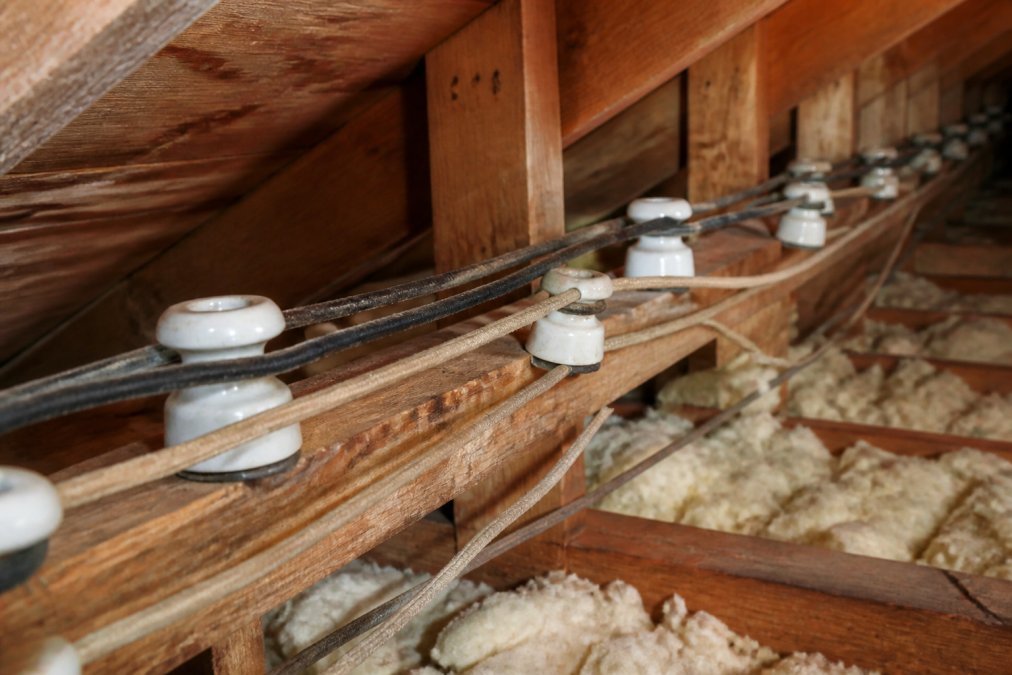
Knob and tube wiring, the cloth-insulated electrical system common in homes built before the 1950s, has become a dealbreaker for insurers. The wiring degrades over time. Insulation crumbles. The system lacks grounding, which modern building codes require. Insurance carriers view active knob and tube as an unacceptable liability, and they've largely stopped issuing policies on homes where it remains in use.
At Dehlinger Insurance, we work with clients facing this exact problem. Homeowners who've owned their property for decades suddenly discover that their insurer won't renew coverage, or they can't find a carrier willing to bind a policy during a home purchase. The frustration is real, but the path forward exists.
The challenge isn't that insurance is impossible to obtain. The challenge is that most standard carriers have excluded homes with active knob and tube from their underwriting guidelines. Some specialty carriers will still write policies, but they come with higher premiums, more restrictive coverage limits, and often require a commitment to upgrade the electrical system within a specific timeframe.
Understanding 4-Point Inspection Requirements for Older Homes
A 4-point inspection is a simplified property assessment that focuses on four critical systems: the roof, plumbing, electrical system, and HVAC. Insurance carriers use 4-point inspections to evaluate the risk profile of older homes before deciding whether to issue or renew coverage.
When a 4-point inspection reveals knob and tube wiring, the outcome is almost always a coverage denial or a requirement to upgrade before the policy can be bound. The inspector documents the presence of cloth-insulated wiring, the lack of grounding, and the overall condition of the electrical system. That report becomes the basis for the insurer's underwriting decision.
The inspection itself is straightforward. A licensed electrician or certified home inspector walks through the property, identifies the type of electrical wiring in use, checks for visible degradation, and notes whether the system has been partially updated or remains entirely original. The report is factual and technical, it simply states what's there.
What matters is what happens next. If the report confirms active knob and tube wiring, most carriers will decline coverage. Some will offer conditional approval if you commit to replacing the wiring within 12 months. A smaller subset of specialty carriers will write a policy at a higher premium, accepting the risk while you arrange for the electrical upgrade.
Understanding the 4-point inspection process helps you set realistic expectations. If you're purchasing a home and the inspection reveals knob and tube, don't expect standard carriers to compete for your business. Instead, focus on specialty carriers and electricians who can provide a clear timeline and cost estimate for the rewiring work.
The Cost to Replace Knob and Tube Wiring
Replacing knob and tube wiring is expensive. The scope of work depends on the size of the home, the extent of the existing system, and whether the work can be done during a renovation or requires opening walls and ceilings.
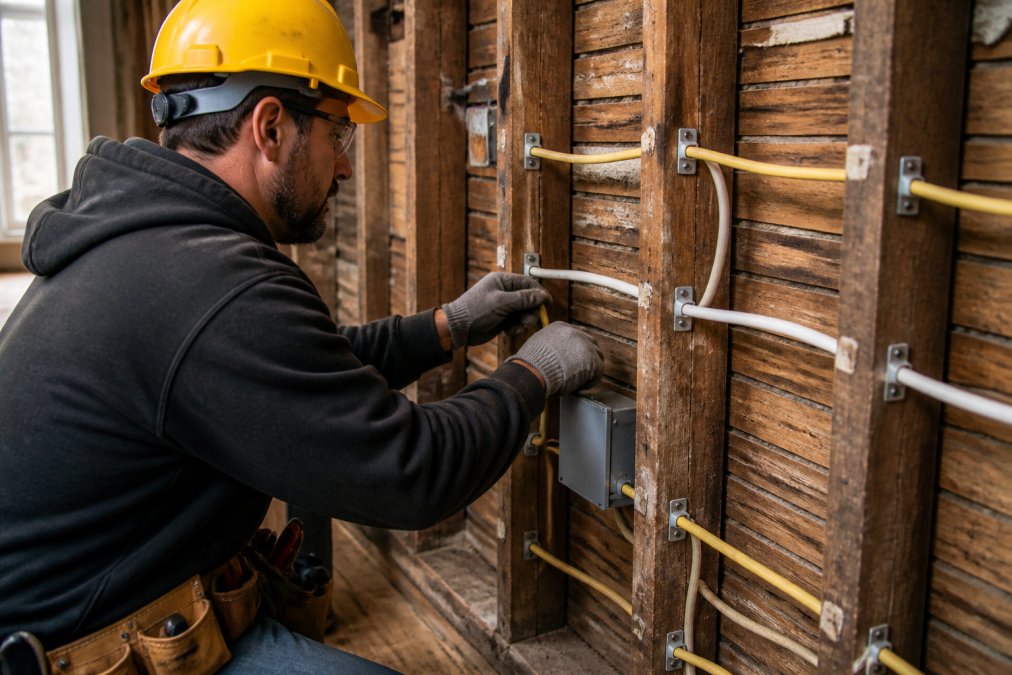
A complete rewiring of a small home (under 1,500 square feet) typically runs into the thousands. Larger homes or those requiring extensive wall opening can reach five figures. The variation in cost reflects the complexity of the installation, local labor rates, and whether the work is done as part of a broader renovation or as a standalone electrical upgrade.
The financial calculus is important. If you're buying a home with knob and tube and the rewiring cost exceeds the property's value or the savings you expected from the purchase, you need to know that before closing. Getting a firm estimate from a licensed electrician early in the process, ideally before making an offer, protects you from surprises.
Some homeowners delay the rewiring, hoping to spread the cost over time. That strategy creates a coverage problem: most carriers won't issue a long-term policy while knob and tube remains active. You'll either pay higher premiums for specialty coverage or face policy non-renewal down the road. The math often favors addressing it immediately rather than managing the insurance complications for years.
Insurance Carriers and Knob and Tube Wiring Policies
Not all carriers treat knob and tube the same way. Standard homeowners insurers, the large, national carriers most people recognize, have effectively eliminated coverage for homes with active knob and tube. Their underwriting guidelines are explicit: the risk is unacceptable.
Call Us and Get a Quote Today! →
Specialty carriers and regional insurers take a different approach. Some will write a policy on a home with knob and tube, accepting the elevated risk in exchange for higher premiums. Others will offer conditional coverage: they'll bind a policy if the homeowner commits to completing the electrical upgrade within a specified period (often 12 months). Still others require full documentation that the wiring has been professionally replaced before issuing any coverage.
The carrier landscape is fragmented. A carrier willing to write a policy in one state may have different guidelines in another. Florida's specific market dynamics, a high concentration of older homes, active hurricane season driving higher baseline insurance costs, and competitive pressure among carriers, create unique conditions. What works in one market may not apply here.
Working with an agent who understands the local carrier landscape is valuable. At Dehlinger Insurance, we maintain relationships with multiple carriers and understand their specific underwriting requirements for homes with electrical issues. That knowledge helps us find coverage options that might not be obvious from a quick online search.
How to Lower Insurance Premiums on Older Homes
If you have knob and tube wiring and you've secured coverage (either through a specialty carrier or by committing to an upgrade), your next priority is managing the cost. Older homes with electrical hazards naturally command higher premiums. But there are strategies to reduce the burden.
The most direct approach is completing the electrical upgrade. Once knob and tube has been professionally replaced with modern copper wiring and the work has been inspected and documented, you can shop your policy to standard carriers. The premium difference between specialty coverage and standard coverage is often substantial, sometimes 30-50% or more. The rewiring cost, while significant upfront, can pay for itself through lower insurance costs over 5-10 years.
Before that rewiring happens, focus on what you can control. Bundling home and auto insurance with the same carrier typically yields a discount. Increasing your deductible lowers the premium (though it increases your out-of-pocket cost if you file a claim). Installing safety devices, smoke detectors, carbon monoxide detectors, security systems, can qualify you for additional discounts with some carriers.
Documentation matters. If you've already completed any electrical upgrades (even partial ones), ensure those improvements are noted in your policy. Some carriers offer discounts for homes that have had selective rewiring or panel upgrades, even if the knob and tube system remains partially in place.
Documentation and Remediation Pathways to Insurability
Getting a home with knob and tube wiring to a fully insurable state requires documentation. Carriers need proof that the electrical system meets current safety standards. That proof comes from licensed electricians, permit records, and inspection reports.
If you're planning to rewire, start with a detailed scope of work from a licensed electrician. This document should specify what will be replaced, what materials will be used, and what the final system will look like.
Your Next Steps: Getting Coverage Despite Knob and Tube Wiring
If you're facing a coverage problem due to knob and tube wiring, your immediate priority is finding an insurer willing to write a policy. That may be a specialty carrier, a regional insurer, or an independent agent with access to non-standard carriers. The goal is to secure coverage quickly, especially if you're in a time-sensitive situation like a home purchase closing.
Frequently Asked Questions
Can I get homeowners insurance if my house has knob and tube wiring?
Most standard homeowners insurance carriers will not issue a policy if active knob and tube wiring is present. Insurance companies classify it as an electrical hazard due to deteriorating cloth insulation and lack of grounding. However, specialty carriers and non-standard insurers may offer coverage at higher premiums, or coverage may become available after professional rewiring. Dehlinger Insurance has relationships with multiple carriers experienced in older homes and can explore options tailored to your situation.
Why do insurance companies consider knob and tube wiring a fire hazard?
Knob and tube wiring uses cloth insulation that degrades over decades, exposing bare copper conductors. Without modern grounding systems, the risk of electrical faults and arcing increases significantly. Insurance underwriting guidelines classify this as unacceptable risk because the branch circuits lack circuit breaker protection and the insulation degradation can cause fires. Building codes have required safer alternatives for decades, making knob and tube obsolete by modern safety standards.
Does replacing knob and tube wiring lower insurance premiums?
Yes. Upgrading to modern copper wiring with proper grounding and circuit breaker protection eliminates the primary reason carriers deny coverage. After professional rewiring and a passing electrical inspection, homeowners typically qualify for standard coverage at competitive rates. Some carriers offer premium discounts for recent electrical upgrades. The cost-benefit analysis often favors rewiring: while replacement costs can be significant, you gain access to affordable insurance and eliminate fire risk.
What is a 4-point inspection and why does it matter for insurance?
A 4-point inspection evaluates the roof, electrical system, plumbing, and HVAC in older homes. Insurance companies require it to assess risk before issuing a policy. If knob and tube wiring is discovered during the electrical portion, most carriers will deny coverage or require rewiring as a condition. This inspection is mandatory for homes over 25 years old in many cases and directly determines your insurability and coverage eligibility.