 Comparison
4-Point Inspection vs Home Inspection: What's the Difference
Last Updated: November 16, 2026
Quick Summary
No, a 4-point inspection is not the same as a home inspection. A 4-point inspection is a limited insurance inspection that evaluates four systems: roof, electrical, plumbing, and HVAC, while a full home inspection covers those systems plus the structure, foundation, attic, and more.
- A 4-point inspection is a visual assessment documented for insurance underwriting, not a full property evaluation.
- A full home inspection serves the buyer before closing, while a 4-point inspection serves the insurance company.
- A 4-point inspection costs less than a full inspection because it skips everything outside the four systems.
- Most insurers treat a 4-point inspection report as current for roughly a year, though some accept two-year-old reports.
- Schedule the full inspection first, then order the 4-point once you know which carrier you are using.
Table of Contents
- 4-Point Inspection vs Home Inspection: The Short Answer
- What a 4-Point Inspection Actually Covers
- What a Full Home Inspection Adds to the Picture
- Side-by-Side: Scope, Purpose, and Cost Compared
- Your 4-Point Home Inspection Checklist: What Inspectors Look For
- 4-Point Inspection Cost and How Long the Report Stays Valid
- Wind Mitigation and 4-Point Inspection: Two Reports, Two Jobs
- When to Choose Which Inspection, and What to Do After Deficiencies
- Frequently Asked Questions
4-Point Inspection vs Home Inspection: The Short Answer
No, a 4-point inspection is not the same as a home inspection. A 4-point inspection is a limited insurance inspection that evaluates four systems: roof, electrical, plumbing, and HVAC. A full home inspection covers those systems plus the structure, foundation, attic, and more. This confusion is common, especially when a carrier requests a 4-point report days before closing. Below, we explain what each inspection covers, how they differ in cost, and how to tell which one you need. For current pricing, contact Dehlinger Insurance or request a quote.
What a 4-Point Inspection Actually Covers
A 4-point inspection is a visual assessment of four major systems, documented for insurance underwriting. The licensed inspector does not move furniture, open walls, or test every fixture. They look, photograph, and report.
The four systems are the roof covering and its condition, the electrical panel and wiring, the plumbing supply and fixtures, and the heating, ventilation, and air conditioning system. Each is described in a narrative with photos attached to the inspection report.
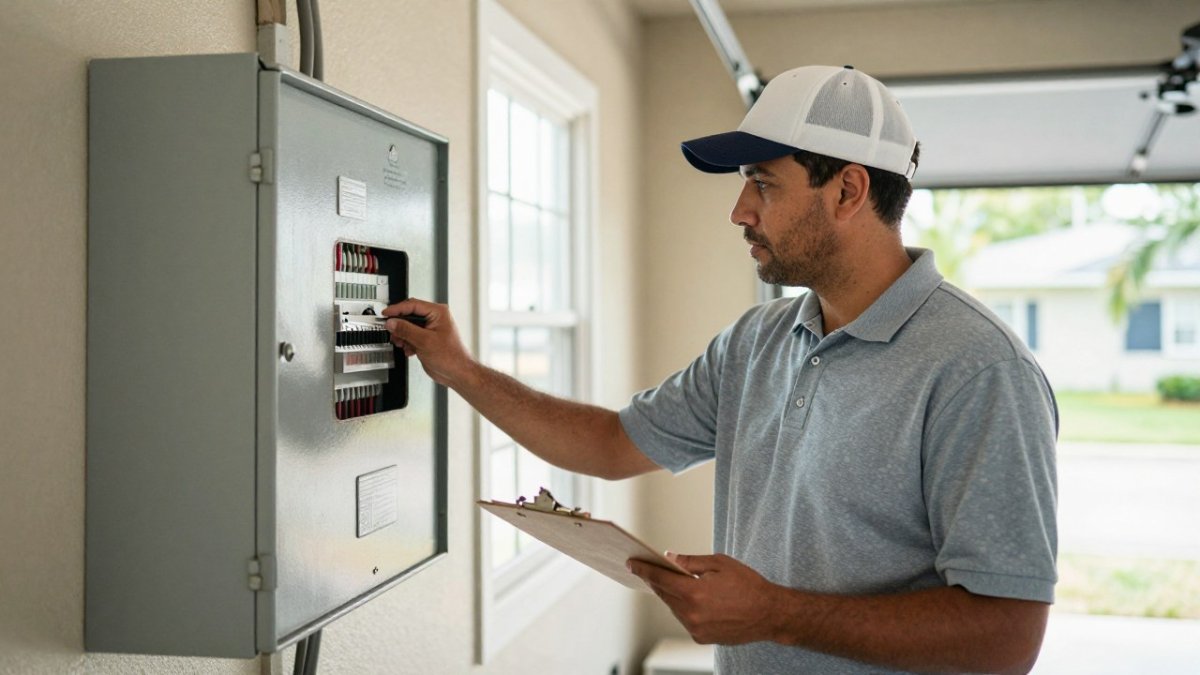
Roof, Electrical, Plumbing, and HVAC in Detail
Here is what inspectors generally examine in each system:
- Roof: covering material, visible wear, signs of active leakage, and estimated remaining life
- Electrical: panel type and brand, breaker condition, wiring type, and signs of overheating
- Plumbing: pipe material, visible leaks, water pressure, and fixture condition
- HVAC: equipment age, condition, and whether heating and cooling function
Older homes draw extra scrutiny. Materials like polybutylene plumbing or aluminum wiring are red flags insurers associate with claims risk, and an inspector will document them specifically.
What a Full Home Inspection Adds to the Picture
A full home inspection, sometimes called a standard home inspection, is a broader property condition evaluation. It covers the four systems above and adds the structure, foundation, attic, insulation, windows, doors, exterior, drainage, and built-in appliances.
The purpose differs too. A full inspection serves the buyer during a home purchase, surfacing defects before closing. Understanding the specific components evaluated during these comprehensive assessments remains essential for any prospective homeowner, so consult this buyer's guide to clarify what exactly falls under the scope of a standard property evaluation.
Side-by-Side: Scope, Purpose, and Cost Compared
The clearest way to see the difference is a direct comparison. Scope and purpose differ between the two, as the table below shows.
| Feature | 4-Point Inspection | Full Home Inspection |
|---|---|---|
| Systems covered | Roof, electrical, plumbing, HVAC only | Roof, electrical, plumbing, HVAC plus structure, foundation, attic, insulation, windows, doors, exterior, drainage, and built-in appliances |
| What it checks | Condition and insurability of the four systems; visible wear, material type, equipment age, signs of active leakage or overheating | Condition of the whole house, including safety defects, water intrusion paths, structural movement, and deferred maintenance |
| What it omits | Foundation, attic, structure, windows, doors, exterior, drainage, appliances, and cosmetic condition | Nothing major on the property-condition side, but it does not produce the insurance underwriting form a carrier requests |
| Primary purpose | Insurance coverage eligibility | Property condition for a buyer before closing |
| Typical audience | Insurance company, underwriter | Home buyer, sometimes seller |
| Report length | Short, photo-based narrative keyed to the four systems | Detailed, multi-section report with photos and narrative |
| Typical cost | Lower than a full inspection because it skips everything outside the four systems | Low hundreds to mid-hundreds of dollars for a typical single-family home, varying by size, age, and provider |
| Time on site | Brief | Longer, often several hours |
| Who can perform it | A licensed inspector or contractor acceptable to the insurer; requirements vary by carrier and location | A licensed home inspector, often state-licensed |
Cost figures vary by provider and property. Published industry guidance puts a standard home inspection in the low hundreds to mid-hundreds of dollars, with a 4-point inspection priced lower because it skips everything outside the four systems. Always confirm current pricing with your inspector.
Where Each Inspection Wins and Where It Falls Short
4-point inspection pros: fast, inexpensive, and exactly what the insurer asked for. Cons: it tells you nothing about the foundation, attic, or structure, and it is not a substitute for a purchase decision.
Full home inspection pros: comprehensive property condition picture, ideal before buying. Cons: it costs more and does not satisfy an insurer requesting a 4-point form.
What a 4-Point Inspection Does Not Establish
A 4-point inspection is generally a limited visual assessment of the four systems. That means the report does not establish the overall condition of the home, the integrity of the foundation or structure, the condition of the attic or insulation, the performance of windows and doors, or the adequacy of exterior drainage. It also does not predict remaining useful life beyond a rough estimate, and it does not certify that the home is free of defects. Treat it as an insurance eligibility document, not a property-condition evaluation.
State and Insurer Variation
Requirements are not uniform. Age thresholds that trigger a 4-point request, the accepted form, report validity windows, and which deficiencies a carrier will tolerate all vary by insurer and by location. A report that satisfies one carrier may be rejected by another, and practices common in one market are not universal. Before ordering, confirm with the carrier the exact form, the maximum report age, and whether the inspector must meet specific licensing or credential requirements.
Your 4-Point Home Inspection Checklist: What Inspectors Look For
Use this 4-point home inspection checklist to prepare before the inspector arrives. A clean, accessible property speeds the visit and reduces the chance of a deficiency note.
- Roof: clear photos of covering, flashing, and any patched areas
- Electrical: panel label legible, dead front accessible, no double-tapped breakers
- Plumbing: water heater label visible, no active leaks under sinks
- HVAC: equipment labels readable, service records handy
- Documentation: permit records for any recent roof or panel replacement
If you want a step-by-step walkthrough of passing the visit itself, see our guide on how to pass a 4-point inspection for insurance. Owners of older properties should also read our deeper guide to the 4-point inspection for older homes.
4-Point Inspection Cost and How Long the Report Stays Valid
A 4-point inspection cost depends on the provider and property, and pricing changes, so ask your inspector directly rather than relying on a number you saw online. What matters more is validity.
How Long Is a 4-Point Inspection Good For?
Most insurers treat a 4-point inspection report as current for roughly a year, though some accept reports up to two years old and others request a fresh one at each renewal. The answer to "how long is a 4-point inspection good for" is therefore policy-specific. Confirm the window with your carrier before assuming an old report will satisfy a new application.
Wind Mitigation and 4-Point Inspection: Two Reports, Two Jobs
Wind mitigation and 4-point inspection reports are often ordered together, but they answer different questions. A 4-point inspection confirms the four systems are insurable. A wind mitigation inspection documents features that reduce wind damage risk, such as roof-to-wall attachments, roof covering type, and opening protection, and those findings can support premium credits.
One report does not replace the other. For the full picture of what wind mitigation covers and the discounts it can unlock, read our Florida wind mitigation inspection guide.
When to Choose Which Inspection, and What to Do After Deficiencies
Choose a full home inspection when you are buying and need to understand property condition. Choose a 4-point inspection when an insurer requests one to confirm coverage eligibility. Many buyers order both, and the order matters: schedule the full inspection first so any major defects are known before you commit, then order the 4-point once you know which carrier you are using and what form it requires.
Decision Guidance for Buyers
An insurance-focused report cannot substitute for a pre-purchase evaluation. The 4-point tells the carrier whether the four systems are insurable; it does not tell you whether the foundation is moving, the attic is wet, or the windows are failing. If you are buying, arrange the full inspection as your condition review and treat the 4-point as a separate insurance deliverable.
Report Logistics and Validity
A typical 4-point report includes photographs of each of the four systems, a narrative describing condition and material type, and a pass-or-fail-style summary keyed to underwriting standards. Confirm with the carrier how the report should be submitted, whether it accepts an existing report, and how old a report may be. Most insurers treat a report as current for roughly a year, though some accept reports up to two years old and others request a fresh one at each renewal. The answer to "how long is a 4-point inspection good for" is therefore policy-specific.
What to Do After Deficiencies Are Found
If the 4-point report flags deficiencies, you have options. Plumbing failures are common, so our guide to updating plumbing for insurance eligibility walks through the repair path. Electrical findings like knob-and-tube wiring and its fire hazard are another frequent failure point worth understanding early.
Confirm what the carrier requires before paying for repairs, so you do not complete work the underwriter did not ask for.
A failed 4-point inspection can stall a closing or leave an older home uninsured, and that is where we come in.
Frequently Asked Questions
How much should a 4-point inspection cost?
A 4-point inspection usually costs less than a full home inspection because it covers only the roof, electrical, plumbing, and HVAC systems. For current pricing, contact Dehlinger Insurance or request a quote. Your quote depends on the property size, the inspector, and travel. Ask for the price in writing before booking, and confirm whether the report includes photos, since insurers often want them attached.
How long is a 4-point inspection good for?
Most insurers treat a 4-point inspection report as current for about 12 months, though some accept reports up to two years old and others ask for a new one at renewal. The report itself usually has no printed expiration date, so the insurer's underwriting rules decide. If you switch carriers or your policy renews, check whether the existing report is still accepted before paying for another inspection.
Can you fail a 4-point inspection?
There is no pass or fail grade. The inspector documents the condition of the four systems and notes defects such as a roof past its useful life, an outdated electrical panel, polybutylene plumbing, or a failing HVAC unit. The insurer then decides whether to offer coverage, exclude a system, or require repairs first. A report full of deficiencies is not a rejection, but it may lead to conditions before a policy is issued.
Do I need a 4-point inspection for homeowners insurance?
Not every policy requires one. Insurers commonly ask for a 4-point inspection on older homes, typically those 25 to 30 years old or more, and on properties with a claims history or an unknown maintenance record. A full home inspection does not replace it, because the insurer wants the four systems documented on its own form. Ask your agent which report your carrier requires before you pay for either inspection.
Is a 4-point inspection the same as a wind mitigation inspection?
No. A 4-point inspection documents the condition of the roof, electrical, plumbing, and HVAC systems for coverage eligibility. A wind mitigation inspection measures features that affect storm damage, such as roof shape, attachment method, and opening protection, and it can earn premium discounts. Insurers may request one or both reports, depending on the carrier.