 how-to
Insuring Luxury Homes With Custom Architectural Features
Table of Contents
- Why Custom Architectural Features Complicate Home Insurance
- Luxury Home Replacement Cost Coverage: What It Really Means
- How to Estimate Reconstruction Costs for Architect-Designed Homes
- The Home Insurance Appraisal for Luxury Homes: Process and Pitfalls
- Building a Home Inventory for High-Value Homes: A Step-by-Step Process
- Other Structures Coverage for Luxury Properties: What's Typically Excluded
- Underwriting Preparation: Questions Insurers Will Ask
- Claims Scenarios Involving Custom Architecture
- Frequently Asked Questions
Last Updated: October 21, 2026
Why Custom Architectural Features Complicate Home Insurance
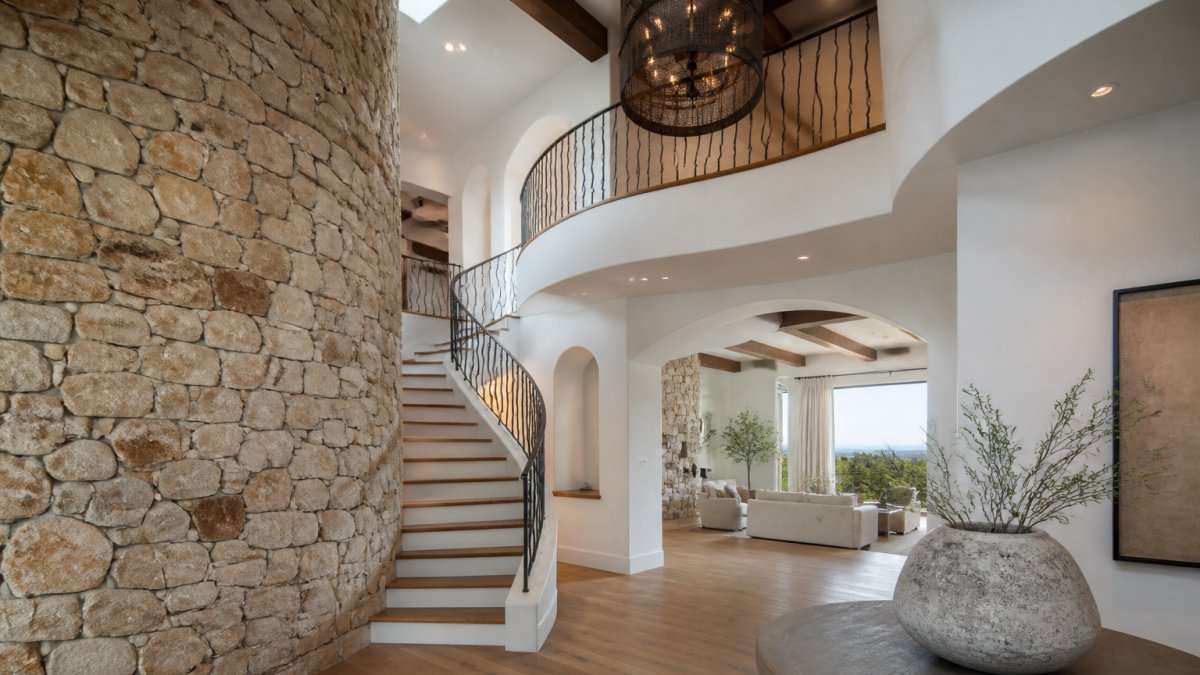
Insuring luxury homes with custom architectural features is harder than insuring a standard house because the cost to rebuild rarely matches what the home would sell for. A one-of-a-kind staircase, imported stone, or hand-carved molding can cost far more to recreate than a standard equivalent.
Standard policies are built for builder-grade homes. They assume average materials and average labor. A house with unique design elements breaks those assumptions in three ways:
- Specialty materials cost more and take longer to source
- Skilled craftspeople who can replicate custom finishes are scarce
- Unique design means there's no comparable home to benchmark against
That last point matters most. When a loss happens, the insurer needs a real reconstruction estimate, not a guess based on nearby sales.
Luxury Home Replacement Cost Coverage: What It Really Means
Luxury home replacement cost coverage pays to rebuild your home to its original quality using similar materials and craftsmanship, not to buy you a different house. That distinction drives everything about how a high-value policy is priced and written.
Two terms get confused constantly. Here's the difference:
Replacement Cost vs. Market Value
Replacement cost is what it costs to rebuild your home from the ground up with comparable materials and labor. Market value is what a buyer would pay for the house and land together.
These numbers can be far apart. A custom home might appraise lower than its rebuild cost because land value and buyer taste swing the market price.
Ask your agent to confirm the policy uses replacement cost, not actual cash value, which deducts depreciation.
How to Estimate Reconstruction Costs for Architect-Designed Homes
A reconstruction cost estimate for an architect-designed home starts with a room-by-room count of specialty materials, custom millwork, and unique features, then applies current local labor and material costs. It is not a square-footage formula. Most insurers run a reconstruction cost estimator, a tool that scores features against regional pricing, but those tools are built around commodity assemblies.
So the estimate needs a human layer on top of the tool. Here is a process to consider.
Step 1: Separate the land from the structure
Reconstruction cost covers the building, not the dirt. Pull the land value out of any appraisal or purchase price before you start, because market value bundles the two and will mislead the rebuild figure in either direction.
Step 2: Build a feature schedule, not a square-footage guess
Walk the home room by room and list every element a builder could not buy off a shelf: custom millwork, hand-forged railings, specialty stone, imported tile, bespoke glazing, plaster finishes, built-ins, and architectural hardware. For each, record the material, approximate quantity, and the trade that installed it. This schedule is what a specialist appraiser or insurer's estimator actually needs.
Step 3: Price labor and materials at current local rates
Reconstruction cost is labor plus materials plus contractor overhead and profit, priced at what it costs today in your market, not what you paid when the home was built. Skilled trades who can replicate custom finishes are scarce, and their rates reflect that. Hard-to-source materials carry lead times and freight that a commodity estimator ignores.
Step 4: Add code-upgrade and demolition costs
A rebuild after a loss usually has to meet current building codes, not the codes in force when the home was built. That can mean upgraded electrical, added sprinklers, improved energy envelopes, or accessibility requirements. Demolition, debris removal, and permit fees also belong in the figure. Many high-value policies include some ordinance-or-law coverage, but the base estimate should still reflect the realistic cost of building back to code.
Step 5: Get a specialist appraisal to validate the number
Treat the insurer's estimator as a starting point and have an independent appraisal confirm it. Bring architect plans, material invoices, the feature schedule, and photos of distinctive elements. The more detail you supply, the closer the rebuild figure lands to reality, and the more defensible it is if a claim is disputed.
A reconstruction cost estimate is only as good as the feature detail behind it. The owners who fare best at claim time are the ones who treated the estimate as a documented project rather than a checkbox.
The Home Insurance Appraisal for Luxury Homes: Process and Pitfalls
A home insurance appraisal for luxury homes is an independent valuation of rebuild cost, usually done by an inspector who documents construction, finishes, and features. It gives the insurer a defensible number to write coverage against.
The process is straightforward:
- The appraiser measures and photographs the home
- They note materials, fixtures, and custom work
- They apply regional construction costs to produce a rebuild figure
The pitfalls show up in the details. Appraisers who rush miss hidden custom features. Owners who don't disclose a finished basement or a specialty roof get undervalued.
Call Us and Get a Quote Today! →
Building a Home Inventory for High-Value Homes: A Step-by-Step Process
A home inventory for high-value homes is a documented record of your possessions and custom features, with photos, receipts, and values, kept somewhere safe off-site. It speeds up claims and proves what you owned.

Here's how to build one:
- Walk room by room and photograph every wall, ceiling, and floor
- Open closets and cabinets so contents are captured
- Record serial numbers on high-end appliances and electronics
- Note custom features like millwork, stone, and fixtures by name
- Save receipts and appraisals for valuables in a cloud folder
- Update the inventory after any purchase or renovation
Documenting One-of-a-Kind Features
For features that can't be replaced off the shelf, add extra detail. Photograph them from multiple angles. Note the maker, the material, and the year installed. If a craftsman built it, keep their contact info. This documentation is what lets an insurer rebuild rather than substitute.
Other Structures Coverage for Luxury Properties: What's Typically Excluded
Other structures coverage for luxury properties pays to rebuild detached structures like garages, pool houses, and guest homes, but it usually caps that protection at a percentage of your dwelling limit. Custom pools, elaborate landscaping, and specialty outbuildings often need their own endorsement.
Standard policies typically exclude or limit:
- Pools and spas, especially custom designs
- Landscaping and hardscaping, like stone walls and fountains
- Detached structures beyond the standard percentage cap
- Valuable items like art and jewelry, which need scheduled coverage
Review these limits with your agent. A custom pool house or wine cellar may need a rider to be fully protected.
Underwriting Preparation: Questions Insurers Will Ask
Underwriting for a high-value home moves faster when you have answers ready. Insurers want to understand the risk, and custom homes raise more questions than standard ones.
Expect to be asked about:
- Construction and materials, including any specialty or hard-to-replace elements
- Age and condition of the roof, plumbing, and electrical systems
- Renovation history and whether permits were pulled
- Security and safety features, like alarms and sprinklers
- Claims history on the property
Claims Scenarios Involving Custom Architecture
Claims involving custom architecture get complicated fast because the adjuster has to value features with no market comparison, and the rebuild may require artisans who are not locally available. The outcome usually turns on a handful of policy mechanics rather than on the size of the loss. Here is how those mechanics play out in the scenarios owners actually face.
Scenario 1: Partial damage to a one-of-a-kind feature
A fire damages a hand-built staircase and a section of imported stone flooring. The adjuster can price the stair stringers and treads, but the stone is a discontinued lot. If the policy carries a matching requirement, the insurer may have to replace the whole floor to get a reasonable match rather than patch a visible square.
Scenario 2: Code changes drive the rebuild cost up
A total loss on an older custom home triggers current building codes. The rebuild now needs upgraded electrical, added sprinklers, or a different roof assembly than the original. Ordinance-or-law coverage is what pays for that gap between like-for-like replacement and code-compliant construction. If the limit on that coverage is low relative to the home's complexity, the difference comes out of your pocket.
Scenario 3: Materials are unavailable or slow to source
A curved glass wall or a bespoke metal railing may have a lead time measured in months and a fabricator who is booked out. The claim does not just pay for the material; it also has to cover the time and cost of sourcing it. Policies differ on how long they will pay for additional living expenses while the home is unlivable, and a long custom rebuild can exhaust that limit.
Scenario 4: Depreciation and actual cash value
If any part of the policy settles on actual cash value rather than replacement cost, depreciation is deducted first. On custom features with no comparable market, the depreciation calculation itself can be disputed. Replacement cost coverage, with a clear feature schedule behind it, is what keeps the settlement tied to what it actually costs to rebuild.
The documentation that decides the claim
In every one of these scenarios, the claim hinges on proof of what you had and a rebuild figure the insurer already accepted. An appraisal, feature schedule, photos, and contractor records are what let the adjuster rebuild rather than substitute. Without them, a claim can stall or settle short.
Frequently Asked Questions
What are considered other structures on a home insurance policy?
Other structures coverage typically applies to structures on your property that are not attached to the main dwelling, such as detached garages, guest houses, pool houses, gazebos, and custom-built sheds. For luxury properties, these structures often include high-end materials and unique designs that standard limits may not fully cover. Review your policy's other structures coverage limit and consider increasing it if your property includes architect-designed outbuildings or elaborate hardscaping.
How do insurers value custom architectural features when setting replacement cost?
Insurers typically use a reconstruction cost estimator that accounts for specialty materials, custom millwork, imported stone, and labor required for unique designs. For architect-designed homes, they may request an appraisal or detailed documentation to capture features that standard estimators miss. Providing a home inventory for high-value homes with photos, receipts, and builder specifications helps ensure the replacement cost reflects the true cost to rebuild with similar type and quality materials.
Does homeowners insurance cover custom finishes and specialty building materials?
Standard homeowners policies often cap coverage for specialty materials or require endorsements. Custom finishes like hand-painted tiles, imported hardwood, or artisan plaster may be excluded or subject to sublimits unless your policy includes customized coverage. For luxury home replacement cost coverage, ask your agent about endorsements that specifically address hard-to-replace materials and ensure your dwelling coverage limit reflects the cost to replicate them.
How often should I review coverage for a luxury home?
Review your policy annually and after any renovation, addition, or significant purchase of high-end appliances or fixtures. Construction costs and labor rates shift, so a coverage limit set two years ago may no longer reflect current rebuilding costs. A periodic home insurance appraisal for luxury homes can catch gaps before a claim. Set a calendar reminder each renewal to compare your dwelling limit against updated reconstruction estimates.
Custom architecture rewards owners who plan ahead. The right coverage starts with an accurate rebuild estimate, a current appraisal, and a documented inventory. Dehlinger Insurance has helped protect high-value properties for over 38 years, working with top-tier carriers to build tailored policies. We offer specialized coverage for distinctive homes and personalized guidance through underwriting and claims. Call us and get a quote today.