 how-to
How to Mitigate Windstorm Damage for Luxury Homes
Table of Contents
- Why Luxury Homes Face Unique Windstorm Risks
- Start With a Wind Mitigation Inspection to Find Vulnerable Areas
- Choose Wind-Resistant Roofing Materials and Reinforce Roof-to-Wall Connections
- Protecting Windows From Hurricane Winds: Impact Glass, Shutters, and Large Openings
- Secure Exterior Doors, Garage Doors, and the Building Envelope
- Your Windstorm Preparedness Checklist for Before the Storm Arrives
- How Wind Mitigation Features Affect Insurance Premiums and Claims Readiness
- Conclusion
- Frequently Asked Questions
Last Updated: October 15, 2026
Why Luxury Homes Face Unique Windstorm Risks
A luxury home often has more to lose in a windstorm than the house next door.
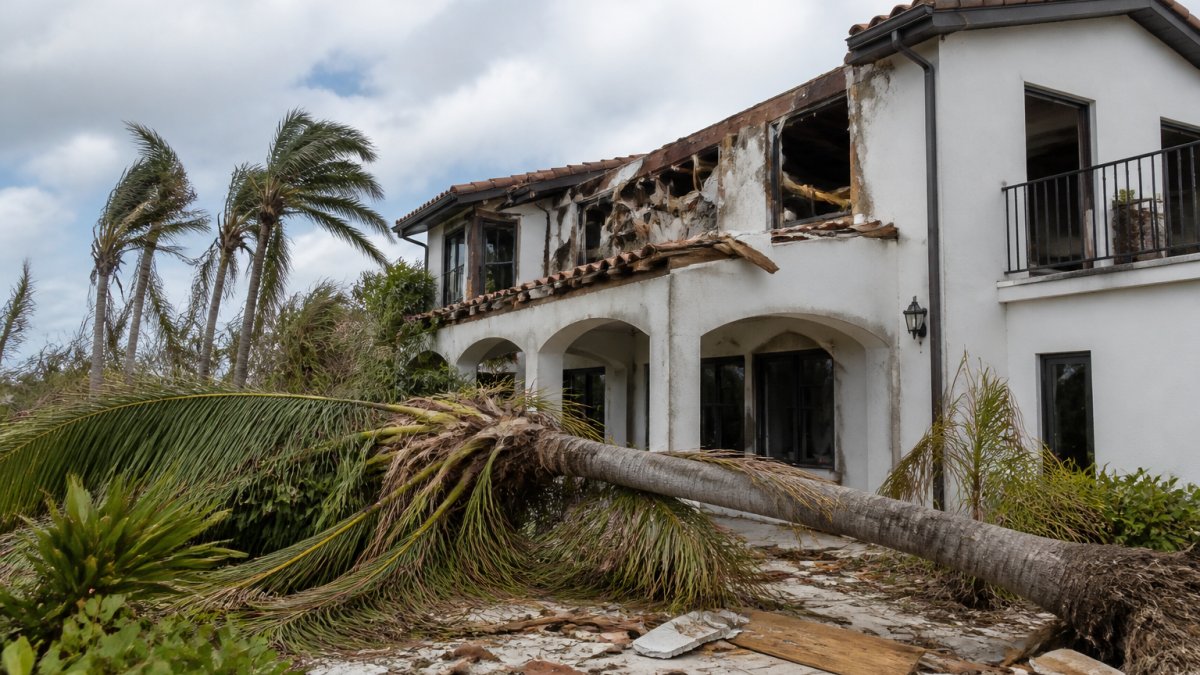
Windstorm damage is the harm caused when high winds, wind-driven rain, and flying debris strike a home.
Dehlinger Insurance has worked with Florida homeowners for over 38 years.
Here is the part most guides skip: the features that protect a luxury home in a storm are the same ones that can lower your insurance premiums.
Start With a Wind Mitigation Inspection to Find Vulnerable Areas
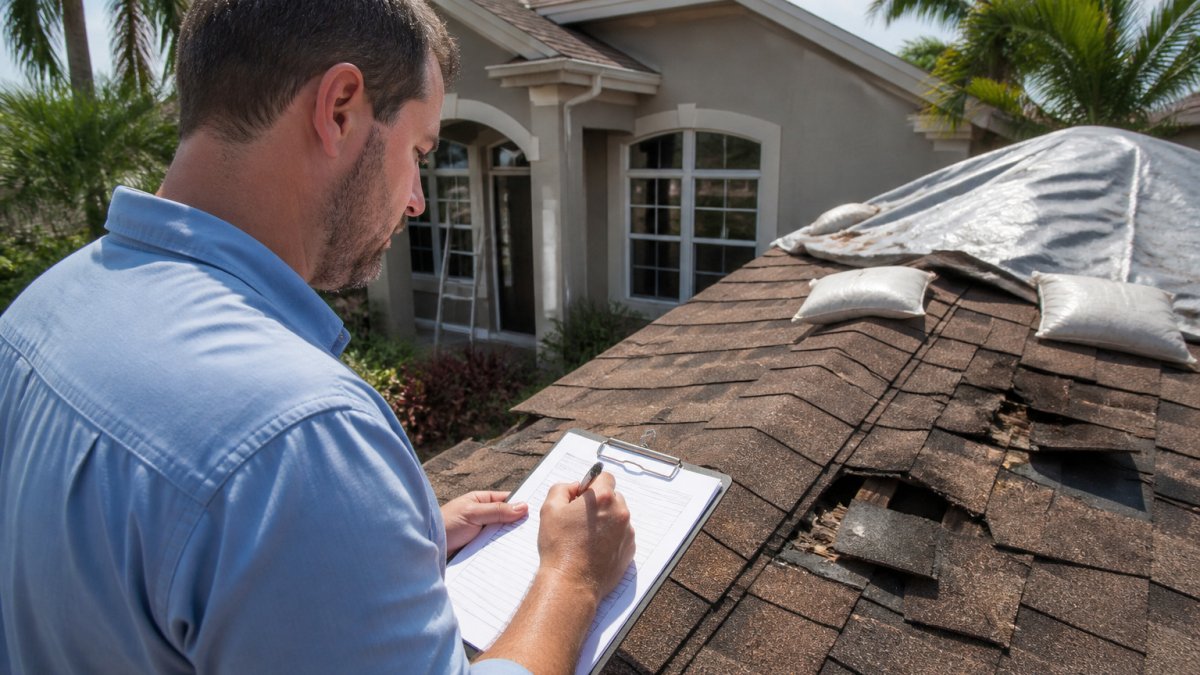
A wind mitigation inspection is a professional review of your home's storm-resistant features. The inspector checks your roof, windows, doors, and how they connect to the frame.
The inspection report matters for two reasons. First, it shows you exactly which parts of your home are vulnerable.
The Florida Office of Insurance Regulation publishes resources on how these inspections work in the state. A licensed inspector usually visits the property and photographs each feature.
What the Inspection Covers and What It Costs
Expect the inspector to check these items:
- Roof covering and roof shape
- Roof-to-wall attachments
- Secondary water barrier
Costs vary by home size and inspector. Call your insurer or a licensed inspector for current pricing in your area.
Choose Wind-Resistant Roofing Materials and Reinforce Roof-to-Wall Connections
The roof is the first thing wind tries to lift.
Wind-resistant roofing materials are coverings built and rated to hold up against high winds.
The roof-to-wall connection is just as important. These are the straps and anchors that tie the roof frame to the walls.
Ask your contractor about these upgrades:
- Hurricane straps at every rafter
- Ring-shank nails instead of smooth nails
- A sealed secondary water barrier under the roofing
The Insurance Institute for Business & Home Safety studies how these connections perform in severe winds and offers guidance for homeowners.
Protecting Windows From Hurricane Winds: Impact Glass, Shutters, and Large Openings
Windows are the most fragile part of any home's exterior. When one breaks, wind pushes inside and can lift the roof from within. That is how a small failure becomes a total loss.
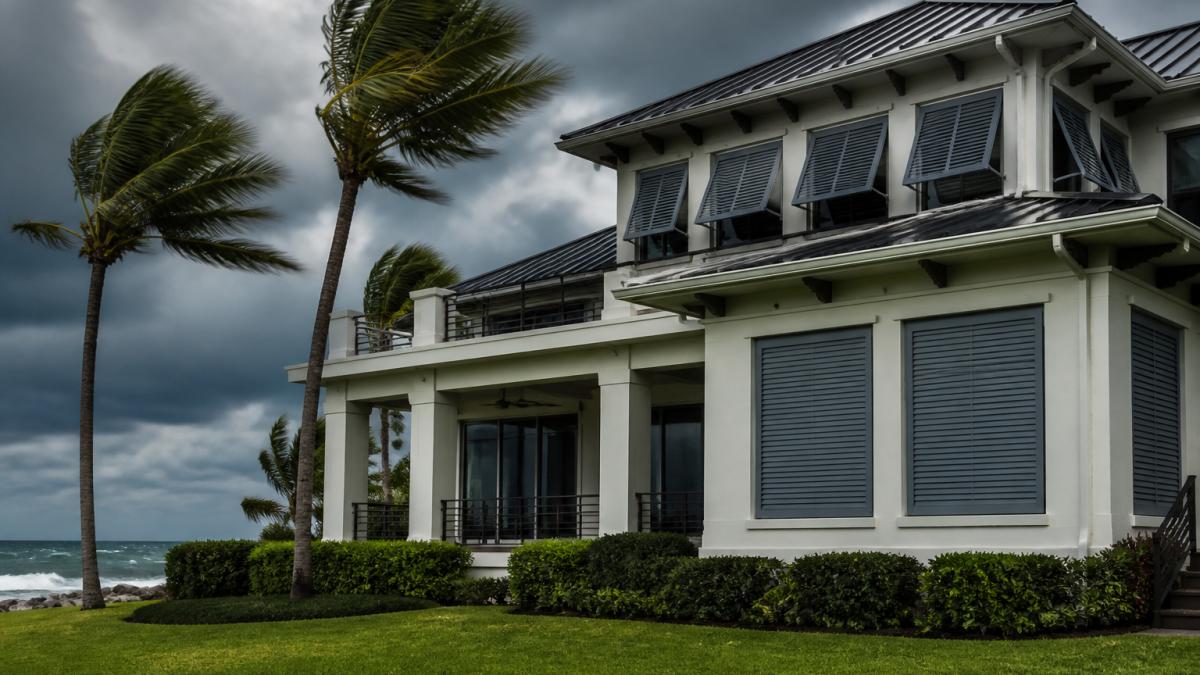
Protecting windows from hurricane winds comes down to three main choices:
- Impact-resistant windows. Laminated glass that stays in the frame when struck.
- Storm shutters. Panels or roll-down systems you deploy before a storm.
- Wood coverings. Cut plywood panels that meet local approval rules.
That is where most guides stop. For a luxury home, the harder question is how to protect custom glazing, mulled window walls, and architectural openings without turning the facade into a boarded-up box.
Why Standard Advice Breaks Down on Custom Glazing
A production home has standard-size windows that accept standard shutters. A luxury home often has:
- Floor-to-ceiling window walls and sliding glass door systems
- Arched, radius, or trapezoidal custom shapes
- Oversized fixed panes that are not designed to open
A standard panel will not fit any of these. Worse, a shutter rated for a small window does not protect a mulled assembly, because the wind load on the full opening is far higher than on any single pane.
Matching Protection to the Opening
The right solution often depends on the opening type:
- Fixed custom glazing. Engineered impact glazing, specified to the design wind pressure for that wall, is usually the cleanest option. It preserves sightlines and needs no deployment.
- Operable window walls and multi-slide doors. A certified roll-down or accordion shutter system, engineered for the full opening, is the common choice. These systems are custom-built and tested as a unit.
- Historic or architecturally sensitive facades. Removable or concealed shutter systems let owners keep the original look in fair weather and deploy protection only when a storm is forecast.
The Details That Decide Whether It Works
- Anchorage, not just the panel. The shutter or glazing is only as strong as what holds it. Anchors must be set into the structural frame, not just the finish.
- Design pressure rating. Every product should carry a rating that meets or exceeds the wind load for its specific location on the home. A corner opening sees higher pressure than a sheltered one.
- One system per opening. Do not mix protection types on the same opening. If one panel is weaker than the rest, wind finds it first, and the whole window can fail.
- Deployment practice. Roll-down and accordion systems should be tested before the season, not the night before a storm.
A Practical Way to Prioritize
If a full upgrade is not in this year's budget, start with the openings that face the prevailing wind and the ones on upper floors, where pressure is highest. Then work around the home. Document each upgrade with photos and the product rating sheet, because that paperwork supports both insurance credits and any future claim. Maintaining a comprehensive record of these improvements serves as a foundational step toward mitigating property damage across the entire estate, ensuring that every structural vulnerability is addressed with long-term resilience in mind.
Secure Exterior Doors, Garage Doors, and the Building Envelope
The building envelope is the shell that separates your home's inside from the weather outside. That includes the roof, walls, windows, and doors.
Exterior doors need at least three hinges and a deadbolt that reaches deep into the frame. Double doors need head and foot bolts.
Garage doors are the weak spot most owners forget.
Checks to run this month:
- Test every exterior door lock and bolt
- Add bracing to the garage door
- Seal gaps around pipes and vents
- Clear gutters so wind-driven rain drains away
A gutter heating system can help in cold snaps, but in a windstorm the goal is simple: keep water moving away from the walls.
Your Windstorm Preparedness Checklist for Before the Storm Arrives
A windstorm preparedness checklist is a written plan you follow when a storm is forecast. It covers the home, the yard, and your paperwork.
Call Us and Get a Quote Today! →
Work through it in this order:
- Close and lock all shutters and impact windows.
- Move outdoor furniture, grills, and planters inside.
- Trim trees and remove dead branches near the house.
- Park vehicles in a garage or away from trees.
- Photograph every room and store the files in the cloud.
- Charge phones and fill water containers.
Trees cause some of the worst damage. A branch through a window undoes every other upgrade you made. Trim early, before the season starts.
How Wind Mitigation Features Affect Insurance Premiums and Claims Readiness
Wind mitigation features can lower your insurance premiums. Many carriers give credits for impact windows, a reinforced roof, and a braced garage door.
The Federal Alliance for Safe Homes explains how stronger homes tend to file fewer and smaller claims, which is why insurers reward the upgrades.
But for a luxury home, the harder problem is not knowing that credits exist.
Sequencing Upgrades by Risk, Cost, and Disruption
A common pattern among owners of high-value homes is to spread mitigation work across two or three seasons rather than doing everything at once.
First tier, lowest cost, highest risk reduction:
- Garage door bracing and reinforcement
- Hurricane straps at exposed rafters, where access allows
- Sealing gaps around pipes, vents, and penetrations
- Trimming trees and removing dead branches near the home
These are typically the cheapest items and the ones that close the most common failure points. Disruption is measured in hours, not weeks.
Second tier, moderate cost, moderate disruption:
- Secondary water barrier under the roofing
- Impact-rated or reinforced exterior doors and hardware
- Roll-down or accordion shutters on the highest-risk openings
These usually require a contractor and may take days per opening. They tend to unlock additional insurance credits.
Third tier, highest cost, longest timeline:
- Full impact glazing on custom openings
- Roof replacement with a wind-rated covering and upgraded fasteners
- Engineered shutter systems for window walls and multi-slide doors
These are multi-week projects and often require permits and engineering review.
When to Bring In an Engineer or Licensed Contractor
Professional review is often recommended when:
- The home has custom or non-standard structural details
- A shutter or glazing system must be engineered for a specific opening
- Roof-to-wall connections are hidden and their condition is unknown
- Local wind design requirements apply to the work
A structural engineer can confirm whether a proposed upgrade actually meets the design wind pressure for your location. A licensed contractor can confirm the anchorage detail and pull the required permits. Verifying installation quality matters as much as choosing the product, because a correctly rated product installed on the wrong substrate will not perform.
Documentation and Claims Readiness for High-Value Homes
When you file a claim, the adjuster wants proof of what you had. For a luxury home, that proof needs to be more detailed than a phone full of room photos.
Keep these records:
- Your wind mitigation inspection report
- Receipts and product rating sheets for shutters, windows, and roof work
- Dated photos of each room and the exterior
- A written inventory of high-value items, with appraisals where available
Store the file in the cloud and keep a duplicate off-site. After a storm, that file is what supports the claim.
Reviewing Coverage Before the Season
A standard policy may not fit a high-value property. A luxury home often needs higher limits and special coverage for custom finishes, art, and outbuildings. Before the season starts, review:
- Dwelling limits against current rebuild cost
- Contents limits against your inventory
- Whether outbuildings, pools, and outdoor kitchens are scheduled
- Whether your mitigation credits are actually applied to the premium
That is where we come in. Dehlinger Insurance works with multiple top carriers to build coverage around the home you actually own. We also help clients review their rates at renewal, so you are not re-shopping on your own every six months.
Conclusion
Windstorms test every home, but they test luxury homes hardest. The good news is that the fixes are known, and most of them pay you back through lower premiums.
Start with an inspection. Reinforce the roof, windows, doors, and garage. Then keep your paperwork ready before the season starts.
Dehlinger Insurance has protected homeowners for over 38 years. Our team pairs personalized service with access to top carriers and affordable payment plans.
Frequently Asked Questions
Which parts of a luxury home are most vulnerable to wind damage?
The roof, windows, exterior doors, garage doors, and roof-to-wall connections take the brunt of high winds. Large custom glass, skylights, and pool enclosures are also common failure points. A wind mitigation inspection identifies these vulnerable areas so you can prioritize reinforcements that offer the biggest reduction in windstorm damage risk.
Should you tape your windows during a storm?
No. Taping windows does not stop windborne debris from breaking the glass and can create larger, more dangerous shards. Instead, install impact-resistant windows or deploy tested storm shutters. These options protect openings from hurricane winds and help keep the building envelope intact, which reduces pressure on the roof and walls.
How can wind mitigation features affect homeowners insurance?
Insurers in Florida often offer premium discounts when a home has verified wind mitigation features such as impact windows, a secondary water barrier, and reinforced roof-to-wall connections. A wind mitigation inspection report documents these features. Because pricing depends on your home's construction, location, and carrier, contact Dehlinger Insurance for a personalized quote and to review available credits.
What should I include in a windstorm preparedness checklist for my home?
Your checklist should cover pre-season tasks like trimming trees, clearing gutters, and testing shutters, plus pre-storm actions such as securing outdoor furniture and movable items, charging devices, and storing important documents in waterproof containers. Include your insurance policy number and your agent's contact information. Review the list each May before hurricane season begins.