 how-to
Does Medicare Cover Home Repairs After Storms?
Table of Contents
- Does Medicare Cover Home Repairs After Storms?
- Understanding Homeowners Insurance Storm Damage Coverage
- The Florida Hurricane Insurance Claims Process
- FEMA Home Repair Assistance After a Disaster
- Temporary Repairs and Preventing Further Damage
- Finding the Right Recovery Resources for Your Situation
- Frequently Asked Questions
Last Updated: October 10, 2026
Does Medicare Cover Home Repairs After Storms?
Medicare does not cover Medicare home repairs after storms. It is a federal health insurance program that pays for medical care, not property damage or structural repairs.
Medicare's Role After Storm Damage
What Medicare does NOT cover: Structural repairs, debris removal, temporary housing, personal property replacement, or accessibility modifications (unless medically necessary equipment already covered).
What Medicare MAY cover: Damaged medically necessary equipment (oxygen, wheelchairs, dialysis supplies), skilled nursing care if temporarily unable to self-care, emergency/urgent care for storm injuries, and prescription medications.
Accessibility and Medically Necessary Modifications
Medically necessary accessibility features covered by Medicare include grab bars, ramps for wheelchair access, and stair lifts (if physician-prescribed and pre-approved).
To pursue coverage: Contact your plan, obtain a physician's prescription, work with a Medicare-approved supplier, and submit for pre-approval. If denied, pursue homeowners insurance or disaster assistance.
Filing a Medicare Claim for Storm-Related Medical Needs
If storm damage affects your health: Call your Medicare plan, provide physician documentation of medical necessity, request written coverage determination, and keep all records. For Medicare home repairs, contact homeowners insurance first; if inadequate, pursue FEMA, SBA loans, or community programs. Act quickly, claims have tight deadlines.
Understanding Homeowners Insurance Storm Damage Coverage
Your homeowners insurance is your primary protection after a storm, covering wind damage to roof, walls, windows, and structural elements, plus fallen trees and hail. Important limits and exclusions apply.
Wind Damage vs. Flood Damage
Wind damage is covered under standard homeowners insurance. Flood damage is not, you need a separate flood policy. Wind-driven rain is a gray area; some policies cover it, others don't. Read your policy or call your agent.
Hurricane Deductibles and Out-of-Pocket Costs
Hurricane deductibles are much higher than standard deductibles, typically 5% to 10% of your home's insured value. On a $300,000 home, that's $15,000 to $30,000 before insurance kicks in. Some insurers offer lower deductibles if you've made your home more resistant to wind damage.
Out-of-pocket costs add up quickly. Temporary tarping and boarding can cost $1,000 to $5,000. Document everything with photographs and receipts for insurance claims and disaster assistance applications.
The Florida Hurricane Insurance Claims Process
Filing a claim after a hurricane is time-sensitive. Most policies require you to file within 30 to 60 days of the loss.
Documenting Storm Damage
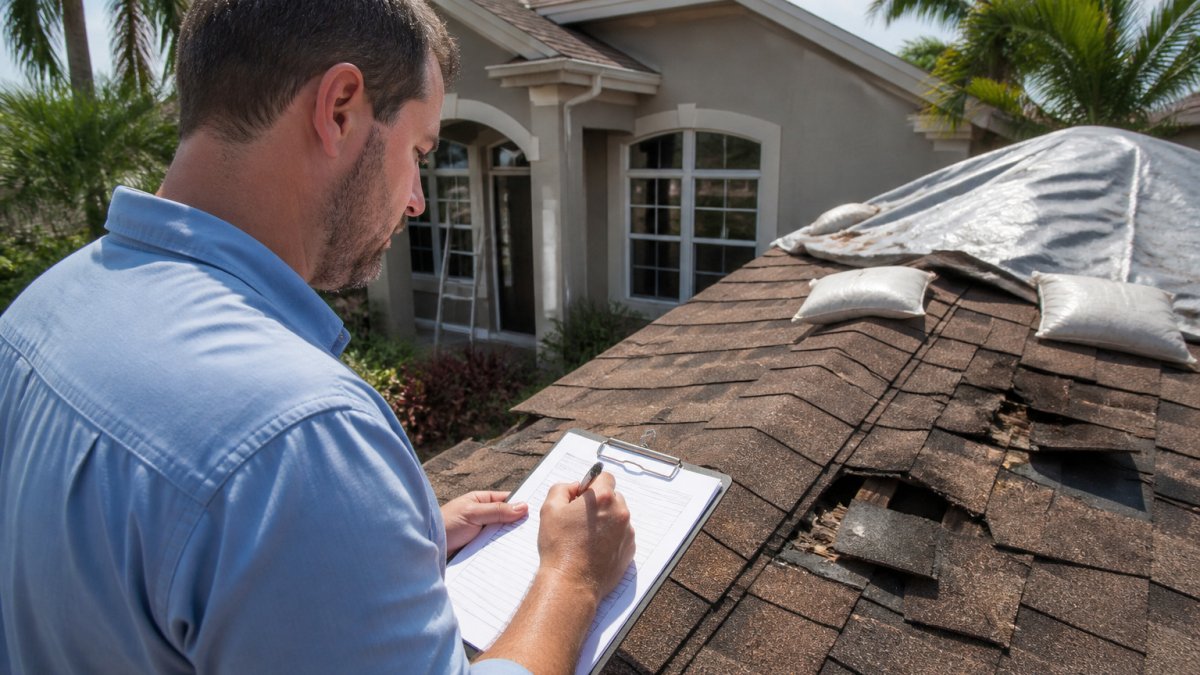
Start documenting damage immediately. Take photographs and videos of all visible damage, both exterior and interior. Make a detailed written list of damaged items with descriptions, approximate age, and estimated replacement cost. This inventory becomes your proof of loss.
Keep all receipts and invoices related to emergency repairs, temporary housing, or professional cleanup. Do not throw away damaged materials until the adjuster has inspected them.
Filing Your Claim
Contact your insurance company as soon as possible. Most insurers have emergency hotlines available 24/7 after major storms. Provide a clear, factual account of what happened and what was damaged.
The insurance company will assign an adjuster to inspect your property. Schedule this inspection quickly. When the adjuster visits, walk them through the damage, ask questions about coverage and deductibles, and get a copy of the report.
FEMA Home Repair Assistance After a Disaster
If your insurance doesn't cover all the damage, or if you don't have homeowners insurance, FEMA may provide disaster assistance.
To apply for FEMA assistance, register at DisasterAssistance.gov or call 1-800-621-3362. You'll need proof of occupancy, identification, and documentation of losses.
FEMA assistance is usually a last resort after insurance and other aid options are exhausted. It's designed to help people with uninsured or underinsured losses meet basic needs.
Temporary Repairs and Preventing Further Damage
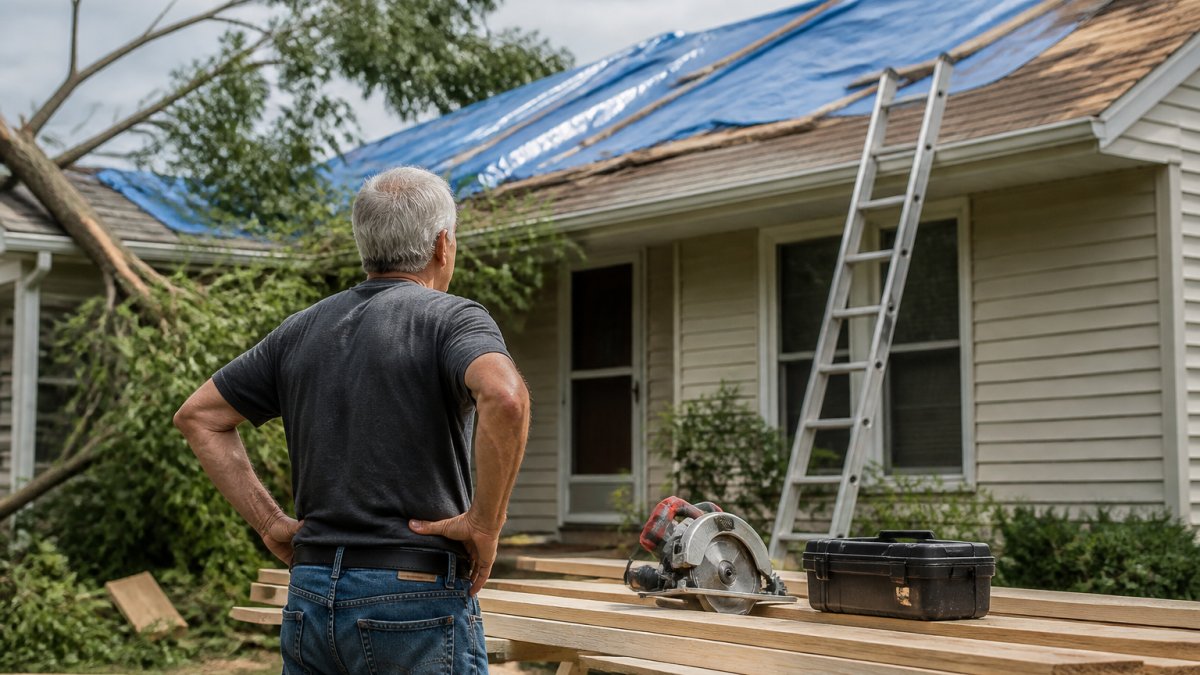
Temporary repairs are your responsibility, not the insurance company's initial role. However, insurance will reimburse reasonable emergency repairs needed to prevent further damage.
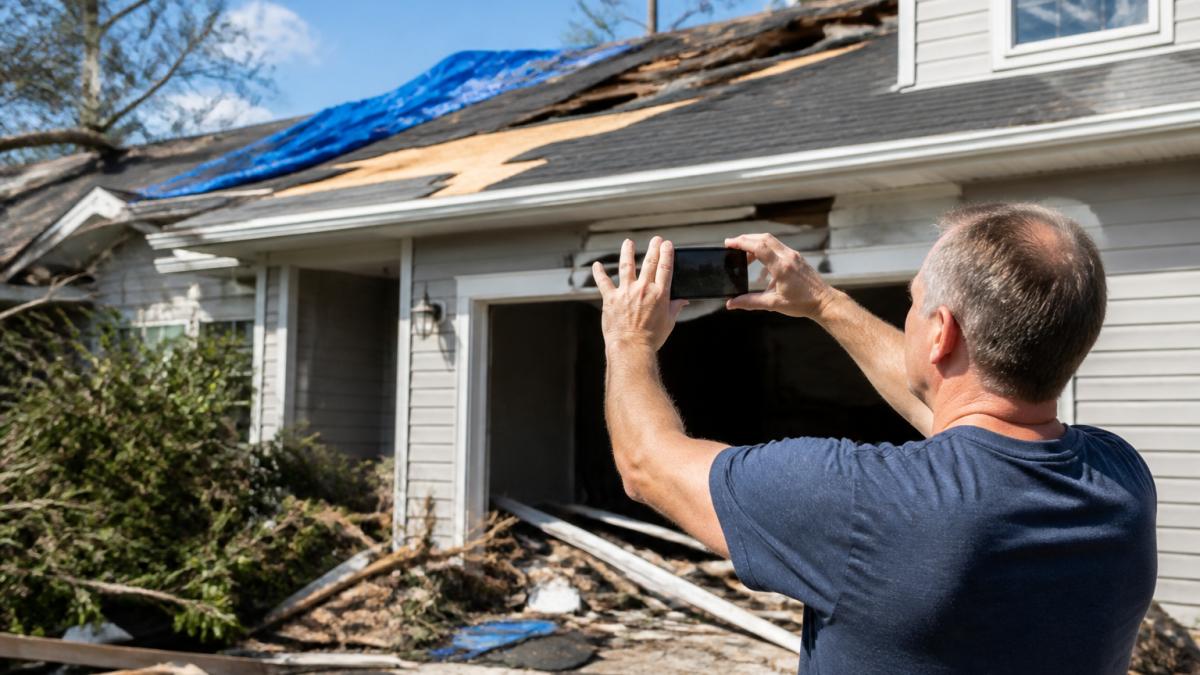
Board up broken windows and doors immediately. Tarps over roof damage prevent water from entering your home and causing mold.
Call Us and Get a Quote Today! →
Keep detailed records of all emergency repair costs. Take photographs before and after temporary repairs.
Don't delay permanent repairs once you have insurance approval. Water damage leads to mold, which creates health hazards and reduces your home's value.
Finding the Right Recovery Resources for Your Situation
Multiple resources become available after a major hurricane. Knowing which ones apply to your situation and how to apply quickly speeds up recovery.
Resource Overview and Application Pathways
| Resource | Best For | Eligibility | How to Access | Typical Timeline |
|---|---|---|---|---|
| Homeowners Insurance | Primary coverage for wind and structural damage | Must have active policy; coverage depends on policy terms | Call your agent or insurer's claims line (24/7 after major storms) | Adjuster inspection within 2-4 weeks; claim decision within 30-60 days |
| Flood Insurance | Water damage from rain, storm surge, flooding | Must have separate flood policy in place before the disaster | Contact your insurer or agent | Claims processed similarly to homeowners insurance |
| FEMA Assistance | Uninsured or underinsured losses after declared disaster | Home must be in a declared disaster area; you must have applied for insurance or been ineligible; income limits may apply | DisasterAssistance.gov or 1-800-621-3362 | Registration within 60 days of declaration; inspections within 30 days of registration |
| SBA Disaster Loans | Low-interest loans for homeowners and businesses | Must be in a declared disaster area; must have suffered uninsured or underinsured loss; credit check required | DisasterAssistance.gov or local SBA office | Application review within 2-4 weeks; funds disbursed after approval |
| Florida Division of Emergency Management (FDEM) Programs | State-specific grants and temporary housing assistance | Varies by program; typically requires residency in affected county and unmet needs | FloridaDisasterFund.org or contact your county emergency management office | Varies; some programs open only during declared disasters |
| Nonprofit Organizations | Emergency assistance, temporary housing, meals, supplies | Typically no income limit; based on immediate need | Contact local United Way, Salvation Army, or Catholic Charities chapters; search DisasterAssistance.gov for local nonprofits | Immediate to 1-2 weeks |
Florida-Specific Deadlines and Application Steps
FEMA Registration (Most Time-Sensitive)
- Deadline: You must register within 60 days of the disaster declaration date. After 60 days, you lose eligibility.
- How to register: Visit DisasterAssistance.gov, call 1-800-621-3362, or use the FEMA app.
- What you'll need: Social Security number, proof of occupancy (utility bill, lease, or mortgage statement), government-issued ID, and documentation of losses (photos, receipts, contractor estimates).
- Next step: FEMA will contact you to schedule an inspection. Inspectors verify damage and determine your eligibility for grants (typically $0-$35,000 for housing-related needs, depending on unmet needs after insurance).
SBA Disaster Loans
- Deadline: Applications typically remain open for 8 months after a disaster declaration, but apply early, processing takes time.
- Interest rate: Currently around 3.5% for homeowners (rates vary; check SBA.gov for current rates).
- Loan amount: Up to $200,000 for homeowners to repair or replace primary residence.
- How to apply: Visit DisasterAssistance.gov or contact your local SBA Disaster Loan Outreach Center. You can apply online, by mail, or in person.
State of Florida Assistance Programs
- Florida Homeowner Assistance Fund (if active): Provides grants to homeowners with unmet recovery needs. Check FloridaDisasterFund.org or contact your county emergency management office for current programs.
- Temporary Housing Assistance: If your home is uninhabitable, FEMA and state programs may cover hotel stays or rental assistance. Apply through FEMA registration.
- County-specific programs: Many counties establish recovery centers with local assistance. Contact your county emergency management office for a list.
Protecting Yourself from Scams and Predatory Contractors
After major hurricanes, scammers and unscrupulous contractors target homeowners and older adults. Protect yourself:
Contractor Red Flags:
- Demands payment in full before work begins
- Pressures you to sign a contract immediately or claims "this offer expires today"
- Offers to handle your insurance claim in exchange for a large upfront fee or a percentage of your settlement
- Has no local address, phone number, or verifiable business license
- Offers prices significantly lower than other estimates (often a sign of poor quality or intent to abandon the job)
Safe Contractor Selection:
- Verify licensing. Check the Florida Department of Business and Professional Regulation (DBPR) website to confirm the contractor holds a valid license. Search by name or license number.
- Get multiple estimates. Obtain written estimates from at least three licensed contractors. Compare scope, materials, and timeline.
- Check references. Ask for references from recent storm-damage jobs. Call them and ask about quality, timeliness, and professionalism.
- Verify insurance. Ask the contractor for proof of general liability and workers' compensation insurance. Call the insurance company to confirm coverage is active.
- Review the contract. Have an attorney or your insurance adjuster review the contract before signing. Ensure it specifies materials, timeline, warranty, and payment schedule.
- Never sign a blank contract or a contract that assigns your insurance claim to the contractor. You retain the right to your claim and settlement.
- Pay in stages. Agree to payment milestones tied to completed work, not upfront payments. Typical: 25% upon signing, 50% upon completion of major work, 25% upon final inspection.
Insurance Claim Assistance:
- If you need help filing a claim, hire a public adjuster (licensed by the state) rather than letting a contractor handle it. Public adjusters are regulated and have a fiduciary duty to you. They typically charge 8-10% of the settlement.
- Avoid contractors who offer "free" claim assistance, they often inflate estimates to increase their profit margin.
Report Scams:
- If you encounter a scam or predatory contractor, report it to the Florida Attorney General's Office (MyFloridaLegal.com) or the Better Business Bureau.
- Report contractor licensing violations to the DBPR.
Coordinating Multiple Resources
Start with your insurance claim immediately. While that's being processed, research FEMA eligibility and other assistance programs. Many programs run simultaneously, and you may qualify for multiple forms of aid.
Typical recovery sequence:
- Day 1-3: File your homeowners and flood insurance claims. Document all damage with photos and written inventory.
- Day 3-7: If a disaster is declared, register with FEMA at DisasterAssistance.gov.
- Week 2-4: Obtain contractor estimates and submit them to your insurance company. Begin temporary repairs to prevent further damage.
- Week 4-8: Receive insurance adjuster inspection and claim decision. Apply for SBA loans if insurance doesn't cover all damage. Contact FEMA for inspection scheduling.
- Month 2-3: Pursue state and local assistance programs for any remaining unmet needs.
Local nonprofits and community organizations often provide emergency assistance for immediate needs. Contact your city or county emergency management office for a list of available resources.
Dehlinger Insurance has worked with Florida families for over 38 years to navigate recovery after storms. We can review your coverage and explain what your policy covers. The right insurance protection and timely action make recovery faster and less stressful.
Frequently Asked Questions
Does Medicare cover home repairs after a hurricane or storm?
No. Medicare covers medical services and healthcare needs only, not property damage or home repairs. After a storm damages your home, you'll rely on homeowners insurance, flood insurance, FEMA assistance, or other disaster recovery programs. If the storm caused you to need medical care or temporarily displaced you, Medicare may cover those medical expenses, but not the repair costs themselves.
What's the difference between homeowners insurance and FEMA home repair assistance?
Homeowners insurance is your first line of defense, it covers wind damage, roof damage, and structural damage based on your policy limits and deductible. FEMA home repair assistance becomes available after a federally declared disaster and helps uninsured or underinsured losses. FEMA typically covers essential repairs to make your home safe and habitable, while insurance covers broader damage up to your policy limits.
How do I document storm damage for an insurance claim?
Photograph or video record all visible damage before making temporary repairs. Document roof damage, broken windows, water intrusion, and structural damage from multiple angles. Keep receipts for any emergency repairs or temporary fixes. Write down the date and time of the storm and damage discovery. This documentation becomes crucial evidence when filing your homeowners insurance claim and proves the extent of property losses.
What should I do immediately after a storm damages my home?
First, ensure your safety and that of your family, leave if the home is unsafe or uninhabitable. Document all damage with photos and video before making repairs. Make temporary repairs to prevent further water damage or weather intrusion. Contact your insurance agent within 24-48 hours to report the claim. Keep all receipts for emergency repairs and temporary housing. Then contact FEMA if your area is declared a disaster area to explore additional assistance options.
Storm recovery takes time, but you don't have to navigate it alone. If you're unsure whether your policy covers the damage you've sustained, contact Dehlinger Insurance today. We'll review your coverage, answer your questions, and help you understand next steps. Call us and get a quote today to ensure your home is properly protected before the next storm season arrives.