 listicle
Best Ways to Harden a Florida Home Against Storms
Table of Contents
- 1. Hurricane Home Preparation Checklist: Where to Start
- 2. Hurricane Impact Windows and Door Protection
- 3. Hurricane Roof Protection: Reinforcement and Connections
- 4. Flooding, Storm Surge, and Drainage Protection
- 5. Garage Doors, Soffits, and Gable End Reinforcement
- 6. Florida Home Hardening Program: Grants and Insurance Discounts
- 7. DIY vs. Professional Installation and Maintenance
- Conclusion: Protecting Your Florida Home and Insurance Coverage
- Frequently Asked Questions
Last Updated: October 8, 2026
1. Hurricane Home Preparation Checklist: Where to Start
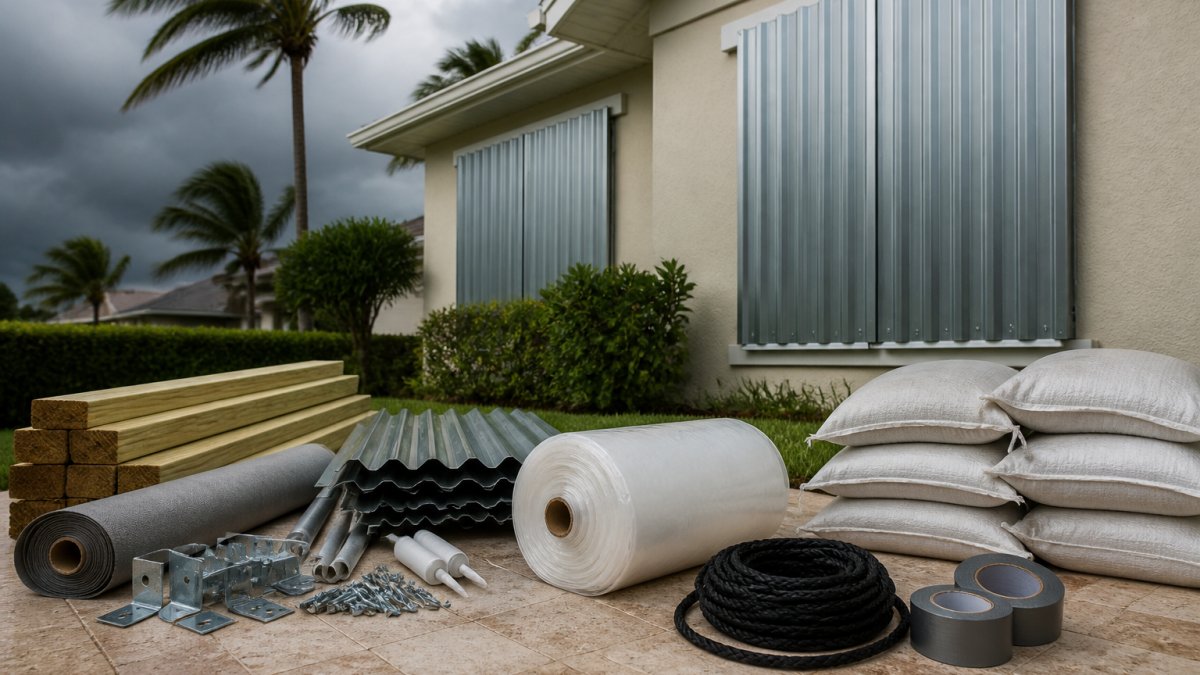
The best ways to harden a Florida home against storms start with one principle: keep wind and water out. Every opening, edge, and connection on your house is a potential entry point, and the work you do before a storm matters far more than anything you do once one is named. This guide walks through the hardening measures that matter most.
A hurricane home preparation checklist should follow a simple logic: protect openings first, reinforce the roof second, manage water third, then handle the smaller details that let wind inside.
- Photograph and document your home's current condition
- Protect windows and doors with shutters or impact products
- Reinforce the roof and its connections to the walls
- Clear gutters, drains, and yard drainage paths
- Secure garage doors, soffits, and gable ends
- Trim trees and remove loose outdoor items
- Review your policy and confirm your coverage limits
2. Hurricane Impact Windows and Door Protection
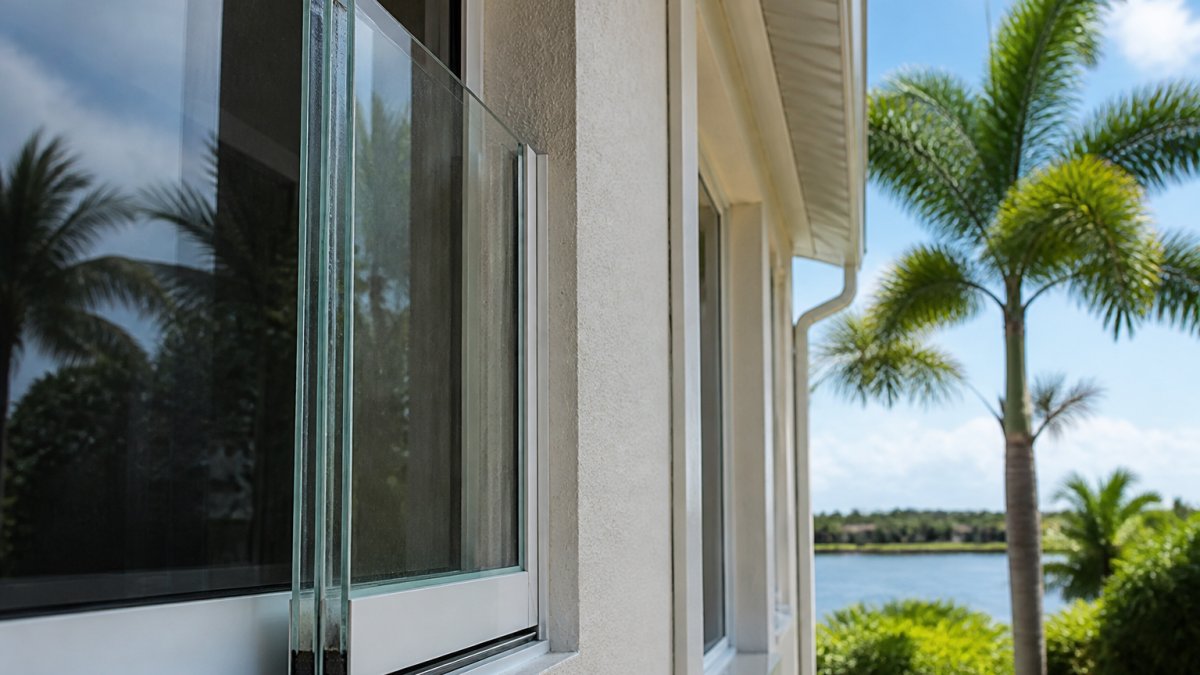
Window and door protection is the highest-return hardening step for most homes. Hurricane impact windows use laminated glass that holds together when struck, while shutters and screens block debris before it reaches the glass at all.
Options range widely in cost and convenience:
- Permanent impact windows: installed once, no storm-day setup
- Accordion and roll-down shutters: permanent hardware, fast to deploy
- Panel shutters: lower upfront cost, more labor each storm
- Fabric hurricane screens: popular for outdoor living areas and lanais
For doors, the weak points are the frame and the hardware, not just the panel. Reinforce the frame, add heavy-duty hinges and a deadbolt rated for impact, and check that sliding glass doors have both a locking bar and panel protection.
3. Hurricane Roof Protection: Reinforcement and Connections
Hurricane roof protection comes down to two things: how the roof is attached to the house, and how well the covering stays on. A roof can be rated for high winds and still fail if the connections underneath are weak.
Roof-to-Wall Straps, Ties, and Clips
Roof-to-wall connections are the metal straps, ties, and clips that tie roof framing to the walls. In older homes, these may be toe-nailed rather than strapped, which is a real weakness in hurricane-force winds. A licensed contractor can inspect your attic and add or upgrade hurricane straps where they are missing. This is one of the most effective structural reinforcement steps available, and it is often eligible for insurance discounts.
Securing Shingles and Roofing Materials
Securing shingles starts with the deck. Roof sheathing should be fastened to code, and shingles should be installed with the manufacturer's high-wind pattern, including a heavy-duty adhesive strip. Metal roofing panels and hurricane-resistant roofing systems perform well in high winds when installed to current building standards. If your roof is near the end of its life, replacing it with a wind-rated assembly is often smarter than patching. Beyond the roof, the perimeter of the property requires similar attention to structural integrity, as securing fences against winds prevents flying debris from damaging the home during a hurricane.
4. Flooding, Storm Surge, and Drainage Protection
Flooding and storm surge cause damage that wind hardening alone will not prevent. Water intrusion often starts long before a storm makes landfall, and it rarely shows up where homeowners expect.
Practical steps include:
- Clear gutters, downspouts, and yard drains before the season
- Check that grading slopes water away from the foundation
- Install flood vents in enclosed lower areas where code allows
- Keep storm drains near your property free of debris
- Store valuables and documents above expected flood levels
Standard homeowners policies typically exclude flood damage, and flood coverage is usually purchased separately through the National Flood Insurance Program or a private carrier (Buy a Flood Insurance Policy). Confirm what your policy actually covers before you need it.
5. Garage Doors, Soffits, and Gable End Reinforcement
Garage doors are the largest opening on most homes and among the first things to fail in high wind. A wind-rated garage door with a proper bracing system holds up far better than a standard door. If replacement is not in the budget, a retrofitted bracing kit is a meaningful improvement.
Soffits and gable ends are the quiet failure points. Wind gets under a loose soffit, pressurizes the attic, and pushes the roof from below. Reinforce soffit attachments, check gable end bracing, and seal openings around vents and pipes. Small openings let in wind-driven rain and pressurize the structure.
Call Us and Get a Quote Today! →
6. Florida Home Hardening Program: Grants and Insurance Discounts
The Florida home hardening program, My Safe Florida Home, offers wind mitigation resources and grant assistance to eligible single-family homeowners. Program details, eligibility rules, and current grant amounts change over time, so check the official program page for the latest figures rather than relying on older numbers.
My Safe Florida Home program details
Wind mitigation inspections also matter for your premium. Insurers commonly offer discounts for features like impact windows, hurricane shutters, roof-to-wall straps, and a hip roof. A wind mitigation report documents those features so your carrier can credit them. At Dehlinger Insurance, we work with multiple top carriers and can help you understand which hardening features your policy rewards.
| Hardening Measure | Typical Effort | Insurance Impact |
|---|---|---|
| Impact windows or shutters | High | Strong wind-mitigation credit |
| Roof-to-wall straps | Moderate | Commonly credited |
| Wind-rated garage door | Moderate | Often credited |
| Hip roof design | Build-dependent | Frequently credited |
| Flood vents and drainage | Low to moderate | Flood policy dependent |
7. DIY vs. Professional Installation and Maintenance
Some hardening work is genuinely DIY-friendly. Clearing gutters, trimming trees, storing shutters, and sealing small exterior openings are all reasonable weekend projects.
Structural work is different. Roof-to-wall connections, roof replacement, and impact window installation require licensed professionals and, in many cases, permits and product approvals that meet building codes. Installing these yourself can void warranties and create inspection problems later.
Maintenance is where most homeowners fall behind. Test shutters and accordion systems before the season, not during a storm watch. Check seals, lubricate tracks, and confirm stored panels are labeled by window. Ten minutes in May saves an hour in a warning.
Conclusion: Protecting Your Florida Home and Insurance Coverage
Hardening a home is a process, not a purchase. The homeowners who fare best start with openings, reinforce the roof, manage water, and keep up with maintenance year after year.
Dehlinger Insurance has served Florida residents for over 38 years, with specialized coverage for older homes and relationships with multiple top insurance carriers. We can help you review your policy, document your wind mitigation features, and find coverage that fits your home and your budget. Call us and get a quote today.
Frequently Asked Questions
What are the best ways to harden a home against hurricanes?
Start with the building envelope: protect openings with impact windows or shutters, reinforce the roof with straps and ties, and secure garage doors. Add flood and drainage measures if you are in a surge zone. A prioritized approach covers roof-to-wall connections, window and door protection, and secondary openings like gable vents. Pair these with a wind mitigation inspection so your insurer recognizes the upgrades.
How can I protect my roof from hurricane winds?
Focus on the load path. Install hurricane straps, ties, or clips that connect the roof framing to the walls. Secure shingles with heavy-duty adhesive or choose a wind-rated metal roofing panel. Reinforce roof sheathing with ½-inch plywood if it is not already compliant. These steps help the roof withstand hurricane-force winds and reduce water intrusion when combined with a secondary water barrier.
Are impact windows worth it for storm protection?
Impact windows protect against windborne debris and reduce water intrusion without the need for temporary shutters. Whole-home impact window and door installations may lower your wind insurance premium, especially in high-velocity hurricane zones. For homeowners who want permanent protection and natural light, they are a long-term investment. Verify current pricing and available discounts with your insurer.
Can Florida homeowners get help paying for home-hardening upgrades?
The My Safe Florida Home program offers no-cost wind mitigation inspections for eligible single-family homes and state grants of up to $10,000 to help pay for hardening improvements. Eligibility and program details are set by the state and can change, so check the program website or ask your insurance agent about current options. Some insurers also offer premium discounts for completed upgrades.
How do I protect windows if I don't have impact glass?
Use exterior-grade plywood panels cut to fit each opening, or install storm shutters such as accordion or roll-down models. Plywood should be at least ½-inch thick and anchored securely. Hurricane screens can protect outdoor living areas and large openings. Temporary protection works for one storm, but permanent shutters or impact windows provide better long-term durability and may qualify for insurance discounts.