 listicle
9 Factors That Influence Home Insurance Premiums
Last Updated: October 29, 2026
Quick Summary
Home insurance premiums are calculated by insurers who weigh the likelihood of a claim against the cost of settling it, scoring dozens of property and personal details through underwriting. Location and catastrophe exposure carry the heaviest weight, while roof condition, deductible, coverage limits, protective devices, and claims history are factors you can change.
- Location is the single heaviest weight in most home insurance premium calculations.
- Flood risk is typically excluded from a standard homeowners policy and priced separately.
- Replacing a roof is often the single largest premium lever a homeowner has.
- Carriers weigh the frequency of claims more heavily than severity.
- Compare quotes only when dwelling limits, deductibles, and liability limits match.
Table of Contents
- What Determines Home Insurance Costs: The Factors Insurers Actually Use
- Location and Catastrophe Exposure: The Biggest Driver of Home Insurance Premiums
- Home Age, Construction Type, and Building Materials
- How Roof Age and Homeowners Insurance Premiums Are Connected
- Replacement Cost, Coverage Limits, and Your Deductible
- Home Insurance Claims History and How Insurers Read It
- Ways to Lower Homeowners Insurance Premiums Without Cutting Coverage
- Get a Personalized Quote From Dehlinger Insurance
- Frequently Asked Questions
What Determines Home Insurance Costs: The Factors Insurers Actually Use
Home insurance premiums are the amount you pay a carrier to transfer the financial risk of owning a home, and insurers calculate that number by scoring dozens of property and personal details through a process called underwriting. Insurers price home coverage by weighing the likelihood of a claim against the cost of settling it. Understanding the factors that influence home insurance premiums gives you real use, because roughly half of them sit outside your control and the other half do not.
Factors You Can Change vs. Factors You Can't
This is the distinction most guides skip, and it changes how you should read every list like this one.
Changeable factors include roof condition, deductible level, coverage limits, protective devices, claims history going forward, and the documentation you provide at quote time.
A common mistake is spending energy arguing about fixed factors with an agent. The productive conversation is about the second list.
Insurers sort the drivers of your premium into factors you cannot change and factors you can.
| Factor | Fixed or changeable | Examples |
|---|---|---|
| Location | Fixed | Distance from coast or wildfire zone, local crime rates |
| Rebuild cost in area | Fixed | Cost of rebuilding locally |
| Roof condition | Changeable | Roof age, material, wind mitigation report |
| Deductible level | Changeable | Higher deductible lowers premium |
| Coverage limits | Changeable | Dwelling limit, personal property, liability |
| Protective devices | Changeable | Security systems, water leak sensors, alarms |
| Claims history going forward | Changeable | Frequency weighed more heavily than severity |
| Documentation at quote time | Changeable | Receipts for panel upgrade or re-plumb |
Location and Catastrophe Exposure: The Biggest Driver of Home Insurance Premiums
Location is the single heaviest weight in most home insurance premium calculations, because insurers price the probability of a catastrophic loss before anything else. Two identical houses a few miles apart can carry very different rates when one sits in a wind-borne debris region and the other does not. What most guides skip is the mechanism: how a location actually becomes a number on your declarations page.
How Insurers Turn an Address Into a Risk Score
Carriers no longer rely on simple ZIP code tables. Many carriers use catastrophe models, which are computer simulations that estimate expected loss for a specific property.
That is why your neighbor's rate is not a reliable benchmark for yours. A home on a ridge with a cedar-shake roof and a long driveway can be scored very differently from a masonry home on a flat lot two streets over, even though both share a ZIP code.
Wildfire, Flood, and Windstorm Risk Are Priced Separately
Each peril has its own underwriting logic, and each has its own quirks.
- Wildfire risk weighs vegetation type and density, slope, roof class (Class A vs. Class B/C), eave and vent design, and access for firefighting equipment. In many wildfire-prone states, insurers also consider the distance to the nearest hydrant and whether the community has a recognized firewise designation.
- Flood risk is typically excluded from a standard homeowners policy and priced through a separate policy, often backed by the National Flood Insurance Program or a private flood carrier. Flood pricing is driven by elevation relative to base flood elevation, flood zone designation, and the first-floor height of the structure.
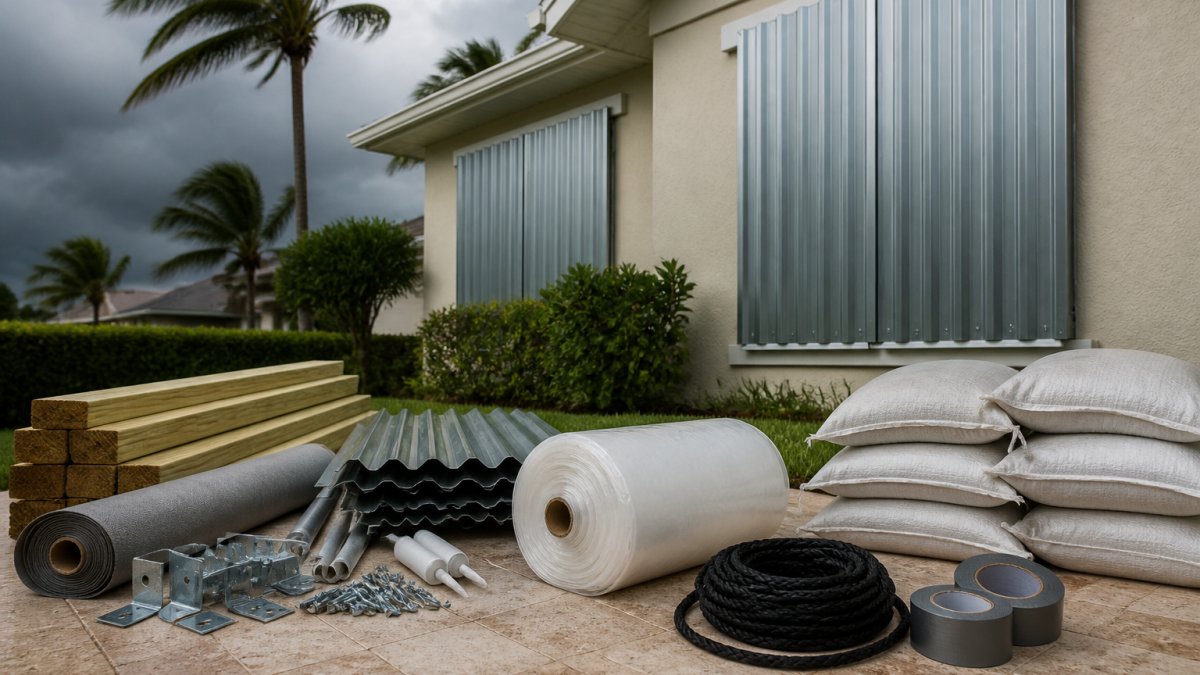
- Windstorm risk drives hurricane deductibles and, in some coastal areas, availability itself. Wind pricing weighs roof-to-wall connections, opening protection (shutters or impact glass), roof covering, and the age of the roof relative to the wind zone.
Why the Same Home Gets Different Quotes From Different Carriers
State regulation and insurer underwriting rules vary widely, so the same property can receive materially different premiums from carriers operating in the same market.
This is the practical reason to compare quotes from multiple carriers rather than accepting the first number. The variation is not random, it reflects each insurer's model, its reinsurance costs, and its view of your specific risk.
Availability and Nonrenewal Pressure in High-Risk Areas
Premium is only half the story in catastrophe-exposed markets. Insurers also manage concentration risk, the total amount they have exposed in a single storm or wildfire zone, and when that concentration gets too high, they stop writing new policies, restrict coverage, or nonrenew existing ones.
For homeowners, this means the factors that influence home insurance premiums include not just price but access. A home that is perfectly insurable on paper can still be declined if the carrier has hit its concentration limit for that territory.
What You Can Actually Do About a Fixed Factor
You cannot move a house, but location-driven pricing is not entirely passive. Roof upgrades, defensible space clearing, flood vents, and documented wind mitigation can all change how a model scores your property. The productive conversation with an agent is not about arguing the location, it is about which property-level features the model rewards and how to document them.
Home Age, Construction Type, and Building Materials
Older homes cost more to insure, but not for the reason most people assume.
Construction type matters just as much. Masonry walls, frame construction, and roof-to-wall connections all feed into the risk score.
If your home has older systems, gather documentation. Receipts for a panel upgrade or a re-plumb can move a quote. Without paper, an underwriter has to assume the worst.
How Roof Age and Homeowners Insurance Premiums Are Connected
Roof age is one of the most direct links between a property detail and a home insurance premium, because the roof is the home's first defense against wind and water. Maintaining detailed records of past repairs and inspections provides essential roof insurance claim evidence should a sudden weather event necessitate a request for coverage.
Call Us and Get a Quote Today! →
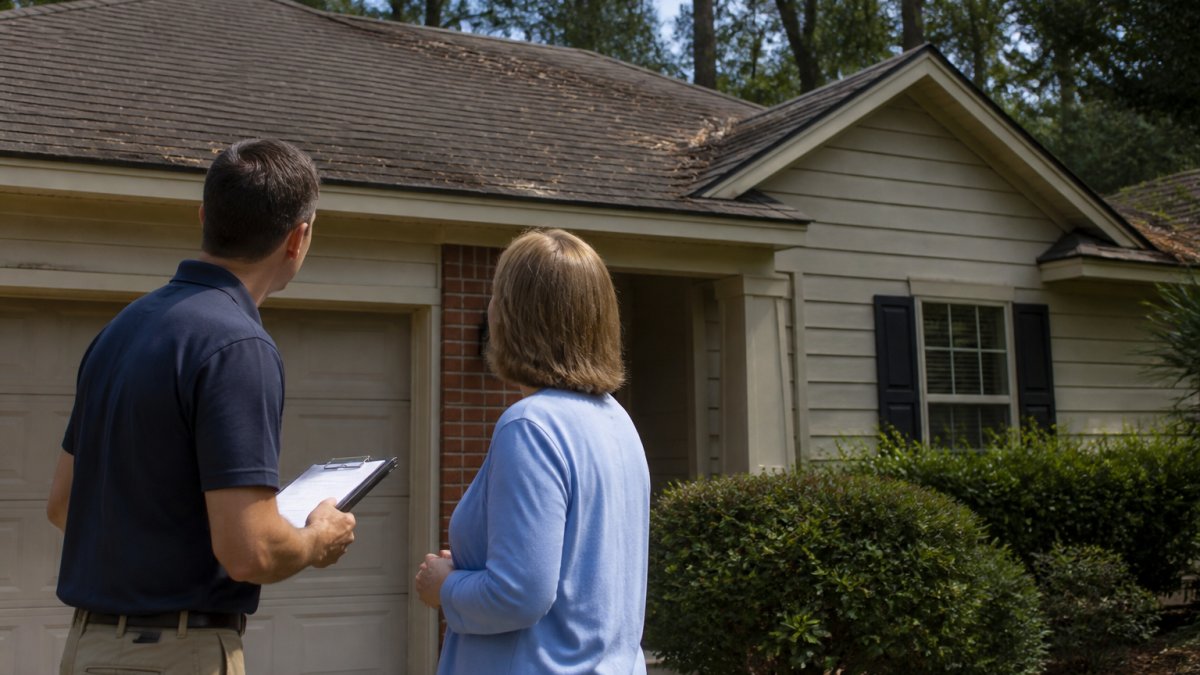
Roof material shifts the math too. Shingle, tile, and metal roofs age differently and fail differently under wind. For homes with older roofs, affordable coverage options for older roofs explains what carriers will and will not accept.
What most guides miss: replacing a roof is not just maintenance. It is often the single largest premium lever a homeowner has.
Replacement Cost, Coverage Limits, and Your Deductible
Three policy choices you make at signing drive a large share of your home insurance premium: the dwelling limit, the deductible, and the coverage extras.
Replacement cost is what it would take to rebuild your home at current material and labor prices, not what you paid for it.
Deductibles work as a trade: a higher deductible lowers the premium, but you absorb more of each loss. On wind claims, a percentage deductible is common in coastal areas (Background on: Hurricane and windstorm deductibles).
Coverage limits on personal property, liability, and additional structures each add cost. The replacement cost versus actual cash value distinction explains how that choice affects both your limit and your rate.
Home Insurance Claims History and How Insurers Read It
Claims history is where insurers look backward to predict forward.
A single weather claim is usually forgiven. A pattern of small claims is not. Filing for a minor repair can cost more over several renewal cycles than paying out of pocket.
Be honest and complete at application. An undisclosed loss found later can lead to a reunderwritten policy or a nonrenewal, and nonrenewal follows you when you shop.
Ways to Lower Homeowners Insurance Premiums Without Cutting Coverage
The best savings come from reducing risk, not reducing protection. Here is how we approach it with clients.
- Raise your deductible to a level you could actually cover. Ask what each step saves before committing.
- Document protective devices. Security systems, water leak sensors, and monitored alarms often qualify for credits.
- Request a wind mitigation inspection. The report documents roof-to-wall connections, roof covering, and opening protection. Our guide to wind mitigation inspections covers what the report includes.
- Bundle home and auto. Multi-policy credits are among the most reliable discounts available.
- Review your limits annually. Inflation changes rebuild costs, and an outdated limit creates a gap.
- Keep your credit in good standing. Credit-based insurance scores can affect rates in many states.
How to Compare Quotes Apples-to-Apples
Most quote comparisons fail because the policies differ, not the prices. Use this checklist before you judge any number:
- Dwelling limit matches estimated rebuild cost, not market value
- Deductible is the same dollar or percentage amount on every quote
- Wind and hurricane deductible stated separately
- Water backup, mold, and ordinance coverage listed or excluded
Comparing quotes on identical coverage terms helps you judge the real differences between policies.
Get a Personalized Quote From Dehlinger Insurance
Online calculators provide only a general estimate. The factors that influence home insurance premiums are specific to your address, your roof, and your history, and a carrier's appetite for those details varies widely.
Dehlinger Insurance works with multiple top-tier carriers and provides personalized guidance on home and auto coverage for Florida residents. Contact us for a quote tailored to your property.
Frequently Asked Questions
What factors affect home insurance premiums the most?
Location carries the most weight for most policies, especially in catastrophe-exposed areas where wildfire, flood, and windstorm risk drive rates. After location, insurers weigh replacement cost, roof age and condition, construction type, home age, claims history, and your deductible and coverage limits. Rating factors vary among companies, so two insurers can quote very different prices for the same house. That is why comparing quotes on identical coverage terms matters more than comparing headline prices.
Does filing a claim make home insurance more expensive?
Often, yes. Insurers track claim frequency and prior losses, and even a single water-damage or wind claim can affect your rate at renewal or follow you to a new carrier through shared claims databases. The effect depends on the claim type, amount, and how recently it happened. Paying small losses out of pocket and saving the policy for large events usually protects your home insurance claims history better than filing every time. Ask your agent how a specific claim would likely affect your renewal before you file.
Can home improvements lower homeowners insurance costs?
Some can. A new roof, updated electrical and plumbing, storm shutters, a monitored security system, and water-leak detection devices are the improvements insurers reward most often, because each reduces the chance of a costly claim. Document the work with permits and receipts, then ask your agent to resubmit the details to your carrier. Not every upgrade changes your rate, and cosmetic renovations rarely do, so confirm which improvements your specific insurer credits before you spend.
How does a home's replacement cost affect its insurance premium?
Replacement cost is what it would take to rebuild your home at current labor and material prices, and it sets the coverage amount your premium is calculated on. Rising construction costs push replacement cost up, and premiums follow. Repair costs and inflation both affect rates. Review your dwelling coverage limit at each renewal, especially after renovations or a period of high material inflation, so you are not underinsured when you need to rebuild.
The gap between a fair premium and an expensive one usually comes down to documentation and placement, not luck. Let us review your property details, match you with the right carrier, and explain each credit you qualify for before you sign. Contact our office to get started, and we will build a quote around your home rather than a template.