 listicle
Reliable Insurance Agency: Miami Florida Guide
Table of Contents
- What Makes a Reliable Insurance Agency
- Independent Insurance Agents vs Captive Agents
- Types of Insurance Coverage You'll Need in Florida
- What to Ask Your Insurance Agent Before Signing
- Benefits of Local Insurance Representation
- How to Get a Free Insurance Quote
- Dehlinger Insurance: Serving Florida Residents for Over 38 Years
- Conclusion
Last Updated: August 21, 2026
What Makes a Reliable Insurance Agency
A reliable insurance agency is a partner that understands your unique risks and advocates for your interests when it matters most. The difference between an agency that truly serves you and one that simply processes paperwork can mean thousands of dollars in coverage gaps or overpayment over your relationship.
What separates a reliable insurance agency comes down to three core factors: access to multiple insurance carriers, genuine expertise in your specific situation, and a commitment to ongoing service rather than a one-time transaction. An agency working with dozens of carriers can shop your coverage across options. An agency understanding Florida's unique risks, hurricane exposure, flood zones, aging housing stock, can recommend protections you didn't know you needed. An agency checking in annually ensures you're not overpaying as your life changes.
At Dehlinger Insurance, we've spent over 38 years building relationships with Florida residents by doing exactly this. We work with top-tier carriers, specialize in coverage for older homes and luxury properties, and maintain a bilingual team to ensure every client feels heard. Working with an unreliable agency or a captive agent with limited options shows up as either underinsurance with catastrophic gaps during claims, or overpayment because your agent never shopped your renewal. A reliable agency eliminates both problems.
Independent Insurance Agents vs Captive Agents
The type of agent you work with fundamentally changes what coverage options are available to you.
Independent insurance agents represent multiple insurance carriers. They shop your coverage across dozens or hundreds of options and recommend the best fit for your situation. Their business model depends on keeping clients satisfied, if you're unhappy, you'll leave. This creates natural alignment: they win when you win.
Captive agents represent a single insurance company. State Farm agents sell only State Farm policies. Allstate agents sell only Allstate products. The upside is simplicity and brand recognition. The downside is that your coverage options are limited to whatever that one company offers, even if competitors provide better coverage or pricing for your specific situation.
For Florida residents, this matters enormously. A captive agent can't tell you that Company A offers better flood coverage for older homes in your zip code, or that Company B has a superior claims process for hurricane damage. Independent agents solve this problem. We can compare your situation across multiple carriers and recommend the option that actually protects you best. Independent agents consistently outrank captive agents in customer satisfaction surveys because you're not locked into a single company's limitations.
The key is working with an independent agent who actually does the work of shopping your coverage. A reliable independent agency treats your renewal as an opportunity to re-shop your coverage and find you better rates or broader protection.
Types of Insurance Coverage You'll Need in Florida
Florida's insurance landscape is shaped by specific risks that don't exist in most other states.
Auto Insurance Requirements
Florida requires all drivers to carry minimum liability insurance: $10,000 in bodily injury liability per person, $20,000 per accident, and $10,000 in property damage liability (flhsmv.gov). These minimums protect other people if you cause an accident but do nothing to protect your own vehicle or medical bills if you're at fault.
Most drivers should carry coverage well above these minimums. If you cause an accident that injures someone seriously, liability claims can exceed $100,000 quickly. Your minimum coverage won't cover it, and the plaintiff can pursue your personal assets. Comprehensive and collision coverage protect your own vehicle; if you have a loan on your car, your lender will require them.
Florida's no-fault system means you should carry uninsured/underinsured motorist coverage. Many drivers on Florida roads carry only the legal minimum or nothing at all. If an uninsured driver hits you, your own coverage pays your medical bills and vehicle damage regardless of fault. This critical protection is often skipped to save money on premiums.
Homeowners Insurance Considerations
Homeowners insurance in Florida is more expensive and complex than in most states, primarily because of hurricane and flood risk. Standard homeowners policies cover fire, theft, and weather damage but explicitly exclude flood. If you're in a flood zone, you need separate flood insurance, typically purchased through the National Flood Insurance Program or private carriers.
Older homes, built before modern building codes, often face higher premiums or outright rejection from major carriers. Insurers view pre-1980s construction as higher risk due to outdated electrical systems, roofing materials, and structural standards. A reliable agency with relationships across multiple carriers and experience with older properties can place you where others can't.
Luxury homes present a different problem. Standard homeowners policies cap coverage at $300,000 to $500,000. If your home is worth $2 million, you need additional coverage through a high-value homeowners policy or umbrella policy. A captive agent may not specialize in luxury properties and might recommend inadequate coverage.
Hurricane deductibles are often separate from standard deductibles and can be 5-10% of your home's insured value (floir.com). On a $400,000 home, that's a $20,000-$40,000 out-of-pocket cost before insurance kicks in. Understanding this trade-off requires expertise.
Additional Coverage Options
Umbrella policies extend liability coverage beyond your home and auto policies, protecting against lawsuits exceeding those limits. A $1 million umbrella policy typically costs $150-300 per year and is essential if you have significant assets (iii.org).
Recreational vehicle insurance covers boats, RVs, and ATVs. Florida's boating and water sports culture means many residents need this coverage. Standard homeowners policies don't cover watercraft, and standard auto policies don't cover boats.
Life insurance is often overlooked but critical for families. Term life is affordable, a 30-year-old in good health can get $500,000 in coverage for $30-50 per month. A reliable agent can help you determine what your family actually needs rather than overselling permanent policies you don't require.
Business insurance is essential for entrepreneurs and small business owners. General liability, property insurance, workers' compensation, and commercial auto require specialized underwriting.
What to Ask Your Insurance Agent Before Signing
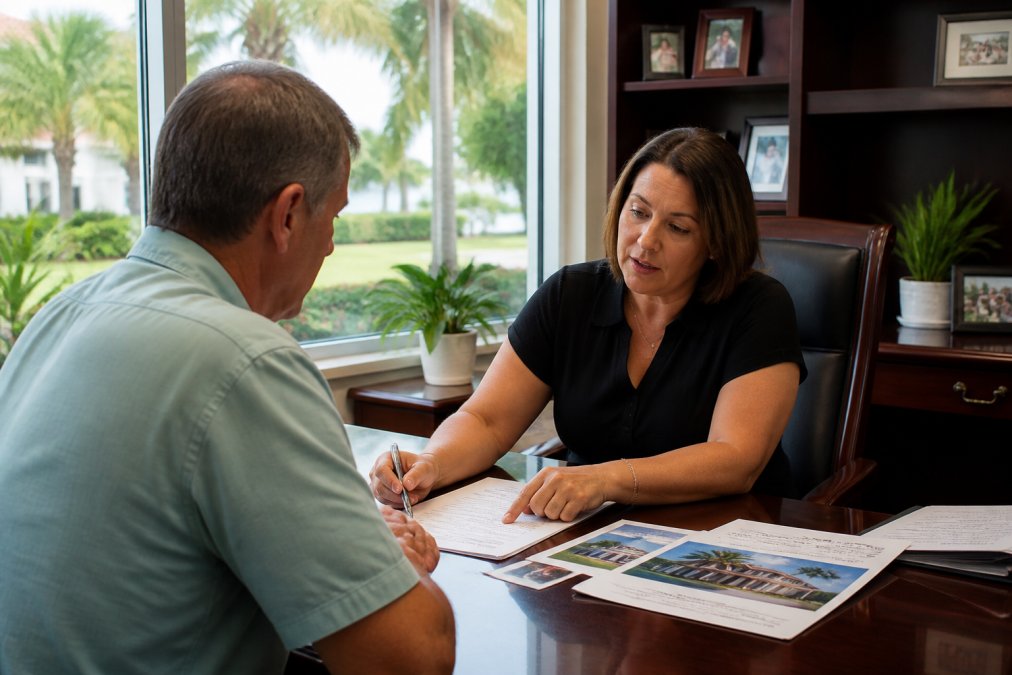
Before committing to an agency, ask these questions to assess whether they're reliable or just going through the motions.
"How many insurance carriers do you work with, and how do you decide which one is right for my situation?" A reliable agent will name specific carriers and explain their reasoning. A vague answer suggests they don't actually shop your coverage thoroughly.
"What's your process for reviewing my coverage annually?" Many agents place you and disappear until renewal. A reliable agency proactively reviews your coverage each year, looks for rate increases or coverage gaps, and re-shops your policy if better options exist.
"Can you explain my deductibles and how they work in a hurricane claim?" If your agent can't clearly explain the difference between your standard deductible and hurricane deductible, or can't walk you through what happens when you file a claim, that's a red flag.
Call Us and Get a Quote Today! →
"Do you have experience with my specific situation?" If you own an older home, ask if they've placed other clients with older homes and which carriers accepted them. A reliable agent has real experience, not just theoretical knowledge.
"What's your typical response time when I call or email?" Insurance is often needed urgently. Ask what their after-hours process is and how quickly they typically respond.
"Do you offer bilingual service?" If English isn't your primary language, this matters. A reliable agency serving Florida's diverse population has bilingual staff.
Benefits of Local Insurance Representation
Working with a local insurance agency that understands your community provides advantages that national carriers and online-only platforms can't match.
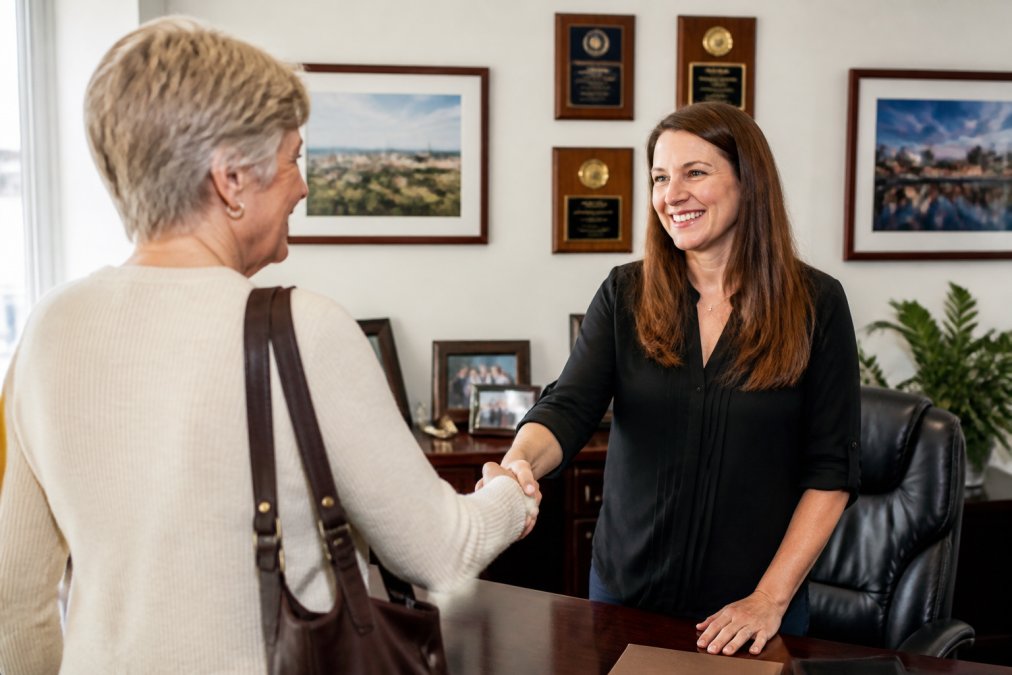
A local agent understands Florida-specific risks in ways that a national carrier's algorithm never will. They know which neighborhoods are prone to flooding, which zip codes face higher hurricane risk, and which carriers respond fastest to hurricane damage. This local knowledge directly translates to better coverage recommendations.
Local representation also means accountability. If something goes wrong with your claim or coverage, you can walk into an office and talk to someone who knows you. A reliable local agency's reputation depends on treating you right, they live in the same community.
Community ties matter during disasters. After a major hurricane, national carriers are overwhelmed with claims from multiple states. Local agencies with decades of community service often have better relationships with adjusters and carriers, which can translate to faster claim processing when you need it most.
Local agencies also adapt faster to regulatory changes. Florida's insurance market has faced significant upheaval in recent years. A local agency stays current on these changes and adjusts client coverage accordingly.
How to Get a Free Insurance Quote
When you request a quote, be prepared to provide: your home's year built, square footage, construction type, and renovation history; your current coverage and deductibles; your driving history and current auto insurance; and any specific needs or concerns. The more detailed you are, the more accurate the quote.
A reliable agency will follow up with questions about your home's roof condition, whether you've had claims, and what your risk tolerance is for deductibles. They'll explain why they're recommending specific coverage levels and which carriers they're quoting. They'll also tell you what discounts you qualify for: bundling home and auto, safety features, and claims-free history.
The quote should be in writing and include specific policy details: coverage limits, deductibles, premium, and effective date. If an agency won't put the quote in writing or can't explain what's included, that's a warning sign.
Dehlinger Insurance: Serving Florida Residents for Over 38 Years
Dehlinger Insurance has built its reputation on access to multiple carriers, genuine expertise in Florida's unique risks, and long-term commitment to client relationships rather than one-time transactions.
With over 38 years serving Florida residents, Dehlinger Insurance has developed specialized expertise that matters. The team understands older homes, a segment many carriers now avoid. They work with clients who own luxury properties and need coverage reflecting their asset value. They maintain relationships with multiple top-tier carriers, which means they can shop your coverage across genuine options.
The agency offers bilingual service, recognizing that many Florida residents are more comfortable discussing insurance details in Spanish. This is a core part of how they serve their community. Miscommunication about insurance coverage is dangerous; working in your primary language eliminates that risk.
Dehlinger Insurance also specializes in recreational vehicle insurance for boats, RVs, and ATVs. If you're a Florida resident who enjoys water sports or outdoor recreation, this coverage is essential and often overlooked.
The agency offers affordable payment plans for auto insurance premiums, recognizing that premiums are a significant expense for many families. Rather than forcing customers to pay in full or quarterly, they provide flexibility that makes coverage more accessible.
Conclusion
Finding a reliable insurance agency comes down to asking the right questions and understanding what separates genuine service from transactional relationships. Look for agencies with access to multiple carriers, proven expertise in your specific situation, and a commitment to ongoing service rather than one-time sales.
The cost of choosing poorly accumulates over years through coverage gaps or overpayment. A reliable agency pays for itself through better rates, more appropriate coverage, and faster claims service. Dehlinger Insurance brings over 38 years of experience serving Florida residents, relationships with multiple top carriers, and specialized expertise in older homes, luxury properties, and bilingual service. Call us and get a quote today to see how we can protect your financial well-being with personalized coverage tailored to your needs.
A reliable insurance agency partnership should feel like having an expert advocate in your corner, someone who understands Florida's specific risks, shops your coverage across genuine options, and remains accessible when you need them most. Dehlinger Insurance delivers exactly that, combining decades of local experience with access to top-tier carriers and personalized service designed around your unique situation. Contact us for a free quote and discover how comprehensive protection built on expertise makes a difference.
Frequently Asked Questions
Q: What should I look for when choosing a reliable insurance agency?
A: A reliable insurance agency should have licensed agents, access to multiple insurance carriers, clear communication, and a track record serving your area. Ask about their experience with your specific insurance needs, whether they offer personalized service, and how they handle claims. Independent agencies typically provide more coverage options than captive agencies tied to a single carrier. Check for customer reviews and verify their licensing with your state's Department of Financial Services.
Q: What are the benefits of using an independent insurance agent versus a captive agent?
A: Independent insurance agents work with multiple carriers, allowing them to compare quotes and find the best coverage for your needs. Captive agents represent only one insurance company, limiting your options. Independent agents can provide unbiased recommendations, better rates through competition, and personalized service tailored to your situation. They're particularly valuable in Florida, where unique risks like hurricanes and older home construction require specialized knowledge and access to carriers willing to insure those properties.
Q: How often should I review my insurance policies with my agent?
A: Review your policies annually or whenever major life changes occur, such as buying a home, getting married, purchasing a vehicle, or experiencing significant property changes. Regular reviews ensure your coverage limits remain adequate, you're receiving available discounts, and your premiums are competitive. A local insurance agent can monitor rate changes and alert you to opportunities for savings, helping you avoid the time-consuming task of shopping quotes yourself every renewal period.
Q: What questions should I ask before signing an insurance policy?
A: Ask about coverage limits, deductibles, what's included and excluded, premium costs and payment options, available discounts, and the claims process. Understand your liability protection levels, whether you need additional coverage like flood or umbrella insurance, and how policy renewals work. Ask about the agent's experience with your property type, especially important for older homes or luxury properties in Florida. Confirm the agent is licensed and ask about their availability for questions and claims support.
This article was written using GrandRanker