 how-to
Florida Auto Insurance for New Drivers: A How-To Guide
Table of Contents
- Understanding Minimum Car Insurance Requirements in Florida
- How to Add a Teen Driver to Insurance: Step-by-Step
- Car Insurance Discounts for Students and New Drivers
- Factors That Influence Your Insurance Premiums
- Non-Owner Insurance and High-Risk Coverage Options
- Verifying Your Coverage: The Florida DMV Insurance Verification Process
- Getting Your Florida Auto Insurance Quote
- Conclusion
Last Updated: August 14, 2026
Understanding Minimum Car Insurance Requirements in Florida
Florida requires all drivers to carry auto insurance meeting specific state minimums before operating a vehicle legally. These requirements protect you and other drivers in case of an accident. The state mandates three core types of coverage that every policyholder must maintain.
Personal Injury Protection (PIP) and Property Damage Liability (PDL) form the foundation of state requirements. Florida is a no-fault state, meaning your own insurance covers your medical expenses and lost wages after an accident, regardless of who caused the crash. Operating a vehicle without proper coverage can result in license suspension, fines, and legal liability if you cause an accident. At Dehlinger Insurance, we help Florida residents navigate these requirements to ensure they're protected and compliant with state law.
Personal Injury Protection (PIP) and Bodily Injury Liability
Personal Injury Protection (PIP) covers your medical expenses, lost wages, and other reasonable costs after an accident, regardless of fault. Florida law requires a minimum of $10,000 in PIP coverage. This coverage applies to you and your passengers, making it one of the most important protections for new drivers. PIP covers medical treatment, rehabilitation costs, funeral expenses if fatal, and lost income. Medical bills from even minor accidents can exceed $5,000 rapidly.
Bodily Injury Liability (BIL), while not technically required by Florida law, is strongly recommended and often required by lenders if you financed your vehicle. This coverage pays for injuries you cause to other people in an accident. Most insurers recommend minimum limits of $25,000 per person and $50,000 per accident. Without it, you could face significant personal liability if you're at fault for someone's injuries.
Property Damage Liability Coverage
Property Damage Liability (PDL) is the only liability coverage Florida legally requires, with a state minimum of $10,000 covering damage you cause to someone else's vehicle or property. However, this minimum is often insufficient, a single damaged luxury vehicle can easily exceed $10,000 in repair costs. Most insurance professionals recommend carrying at least $25,000 in PDL coverage to avoid being personally liable for damages exceeding your policy limit. Understanding this coverage helps prevent catastrophic financial exposure from a single accident.
How to Add a Teen Driver to Insurance: Step-by-Step
Adding a teen driver to your existing auto insurance policy is one of the most practical ways to get them covered while maintaining household protection. Most families can complete this process in under an hour.
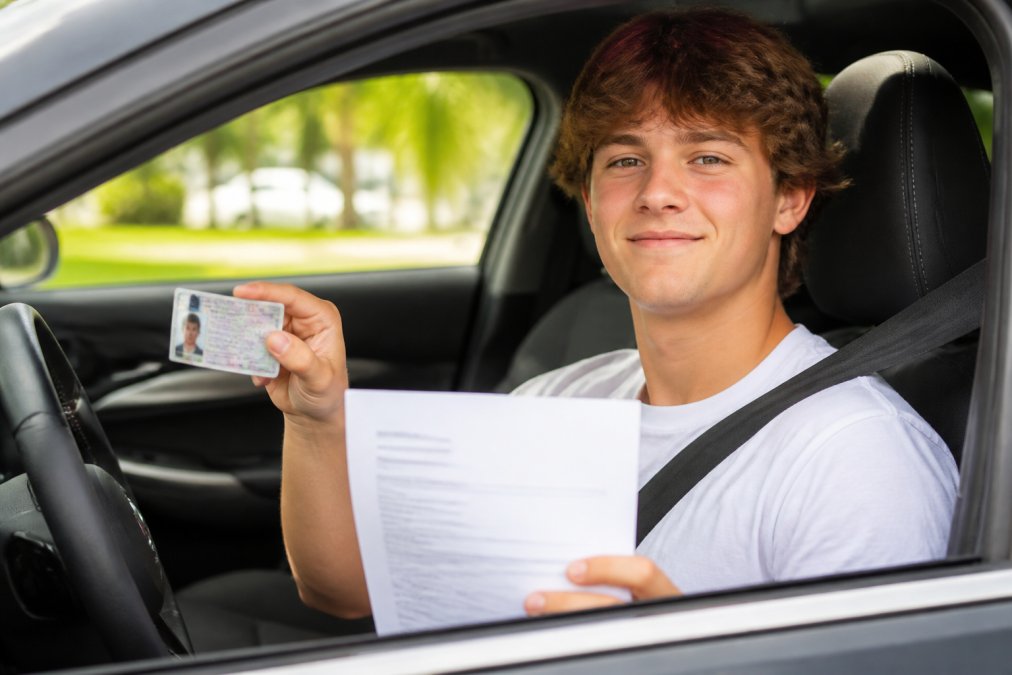
When to Add a Driver to Your Policy
You should add your teen to your policy as soon as they have a valid driver's license, not before. Once they pass their driving test and receive their license, adding them immediately protects both the teen and your household. If your teen is driving your vehicle with a learner's permit, your existing auto insurance typically covers them as long as they have permission and are supervised by a licensed adult. If your teen is away at college without a vehicle, you may not need to add them to your policy at all.
The Process of Adding a New Driver
Step 1: Gather Required Information
Collect your teen's driver's license information, date of birth, and driving history. You'll also need your policy number and current coverage details.
Step 2: Contact Your Insurance Agent
Call your insurer and inform them you want to add a new driver. The agent will run an underwriting review to assess the risk.
Step 3: Review the Updated Premium
Your insurer will calculate how much your premium will increase. Teen drivers significantly increase premiums based on age, driving record, vehicle type, and coverage limits.
Step 4: Confirm Coverage Details
Ensure the agent has correctly identified which vehicles your teen can drive. Discuss any restrictions you want to implement.
Step 5: Complete the Endorsement
Once you agree to the new premium, the insurer will process a policy endorsement adding the teen driver. This usually takes effect immediately or on a date you specify.
Step 6: Verify the Changes
Review your updated policy documents carefully. Confirm the teen's information is correct, the effective date matches what you expected, and all coverage limits are as discussed.
Call Us and Get a Quote Today! →
Car Insurance Discounts for Students and New Drivers
New drivers and student drivers qualify for several discounts that can offset the premium increase from adding them to your policy. These discounts recognize that certain behaviors correlate with lower accident rates.
Good Student Discount and Multi-Car Discount
The Good Student Discount applies to students maintaining a GPA of 3.0 or higher. This discount reflects insurance data showing that academically successful students tend to be more responsible drivers. Most insurers offer this discount, typically 10-15% reductions for qualifying students.
The Multi-Car Discount applies when you insure multiple vehicles on the same policy. Consolidating all household vehicles on one policy with one insurer can generate savings, typically ranging from 10-25% depending on the insurer.
Accident Forgiveness and Other Savings Opportunities
Accident Forgiveness prevents your premium from increasing after your first at-fault accident, though it typically costs $50-100 per year. Other discounts worth exploring include bundling home and auto insurance, paying your premium in full rather than monthly, completing a defensive driving course, and maintaining continuous coverage. Some insurers offer usage-based programs where teen drivers use a mobile app monitoring safe driving habits, earning discounts of 10-30% depending on performance.
Factors That Influence Your Insurance Premiums
Your teen's insurance premium depends on multiple factors. Age is the single largest factor, teenage drivers have the highest accident rates of any age group. A clean driving record with no accidents or violations results in lower premiums than one with citations or claims. Each violation or accident typically increases premiums for 3-5 years.
The vehicle type matters considerably. Insuring a high-performance sports car costs substantially more than insuring a safe, practical sedan. Coverage limits and deductibles directly affect your monthly cost, higher deductibles result in lower premiums. Your location within the state influences premiums, with urban areas typically having higher costs than rural areas.
Non-Owner Insurance and High-Risk Coverage Options
Non-Owner Insurance provides liability coverage for drivers who don't own a vehicle but occasionally drive borrowed or rented cars. It's cheaper than being added to a parent's policy in some cases, though it doesn't provide comprehensive or collision coverage.
New drivers with traffic violations, accidents, or other risk factors may face challenges getting standard coverage. Some insurers specialize in high-risk drivers and offer coverage options for those with less-than-perfect driving records. SR-22 Certification is required in some cases, particularly after serious violations like DUI or driving without insurance. This status typically remains on your record for 3 years and results in substantially higher premiums during that period.
Verifying Your Coverage: The Florida DMV Insurance Verification Process
Florida law requires proof of insurance when registering or renewing vehicle registration. When you purchase a policy, your insurer electronically reports it to the Florida Department of Highway Safety and Motor Vehicles (DHSMV). If you cancel a policy, the insurer reports the cancellation immediately, creating a gap in coverage that the state can detect. Driving without continuous coverage can result in license suspension, even if you had valid insurance at some point.
You can verify your coverage status through the DHSMV website or by contacting your local DMV office. When renewing your vehicle registration, you'll need to provide proof of current insurance. Keep this documentation easily accessible in your vehicle at all times.
Getting Your Florida Auto Insurance Quote
Obtaining an accurate insurance quote for a new driver requires providing detailed information about the driver and vehicle. Start by contacting insurers directly through their websites, phone lines, or local agents. You'll need your teen's driver's license information, the vehicle's VIN, current coverage if switching insurers, and details about how the vehicle will be used.

Most insurers provide quotes online in minutes. When comparing quotes, ensure you're using identical coverage limits across all quotes. Ask each insurer about available discounts during the quoting process, some apply automatically, while others require specific actions.
At Dehlinger Insurance, we work with multiple top-tier carriers to find coverage that fits your family's needs and budget. Our team can explain the differences between quotes and help you understand what each coverage option means for your protection. With over 38 years of experience serving Florida residents, we've guided countless families through the process of insuring new drivers.
Once you've selected a policy, the insurer will provide you with policy documents, your insurance card, and a declaration page showing your coverage details. Keep these documents accessible, as you'll need proof of insurance when registering your vehicle and during traffic stops.
Getting Florida auto insurance for new drivers involves understanding state requirements, navigating the process of adding drivers to policies, and making informed decisions about coverage and discounts. The investment in proper coverage protects your family financially and keeps you compliant with state law. Contact Dehlinger Insurance today for a personalized quote that addresses your family's specific situation. Our experienced team will help you secure comprehensive coverage at a competitive rate, providing the peace of mind that comes with knowing your new driver is properly protected.
Frequently Asked Questions
What is the minimum auto insurance required for new drivers in Florida?
Florida requires all drivers to carry Personal Injury Protection (PIP) with a minimum of $10,000 in medical coverage and Property Damage Liability (PDL) of at least $10,000. These state-mandated minimums represent your legal baseline for financial responsibility. However, many insurance experts recommend higher coverage limits, especially for new drivers, since minimum coverage may not fully protect you in serious accidents. Your driving record, vehicle value, and personal assets should guide your final coverage decision.
Can a new driver stay on a parent's policy or do they need their own?
New drivers can typically stay on a parent's policy as a listed driver through a policy endorsement, which is often more affordable than purchasing separate coverage. When you add a teen driver to an existing policy, the policyholder's premium usually increases due to the added risk. The timing matters: you should add a driver before they operate the vehicle regularly. Many families find this approach cost-effective, though some insurers may recommend separate policies depending on the new driver's age and driving history.
What discounts are available for new drivers to lower premiums?
New drivers can access several discounts to reduce costs. The good student discount typically applies if you maintain a 3.0 GPA or higher. Multi-car discounts reward families insuring multiple vehicles. Bundling auto and home insurance often provides significant savings. Some insurers offer accident forgiveness programs and low-mileage discounts for drivers who don't commute daily. Safe driver discounts are also available if you complete an approved defensive driving course. Ask your agent which discounts apply to your situation, as eligibility varies by insurer.
How does Florida's no-fault insurance system affect new drivers?
Florida operates under a no-fault insurance system, meaning your own Personal Injury Protection coverage pays your medical bills and lost wages after an accident, regardless of who caused it. This system protects new drivers by ensuring immediate coverage for injuries without waiting for fault determination. However, you can still pursue additional compensation if the other driver's negligence caused serious injury. Understanding this system helps new drivers recognize why PIP coverage is mandatory and valuable for medical expense protection in accidents.
This article was written using GrandRanker