 How-to
7 Electrical Problems That Can Cost You Insurance Coverage
Last Updated: November 20, 2026
Quick Summary
Outdated electrical systems can make a home harder to insure, and may lead to a denied claim or higher premium. Insurers look closely at wiring and panels because older systems raise fire and electrical damage risk. Homeowners insurance usually covers sudden damage, not wear or aging wiring.
- Insurers typically cover sudden fire, lightning, or surge damage, but not wear, corrosion, or maintenance.
- Knob-and-tube wiring from pre-1950s homes is a common red flag, and some insurers will not write those policies.
- Panel replacement is often not covered when done because the panel is old or failing.
- Get at least three written electrician estimates that separate panel work from wiring or service work.
- Ask your agent to confirm any insurer deadline or extension in writing, with a new date.
Table of Contents
- Why Outdated Electrical Systems Matter to Your Insurer
- Does Homeowners Insurance Cover Electrical Issues?
- Which Older Wiring and Electrical Components Raise Red Flags
- Ineligible Electrical Panels for Insurance
- Does Homeowners Insurance Cover Electrical Panel Replacement?
- Electrical Panel Replacement Cost and What Changes the Estimate
- Resolving Your Insurer's Electrical Concern Step by Step
- Step 1: Read the notice and classify it
- Step 2: Distinguish a panel issue from wiring elsewhere
- Step 3: Arrange an inspection and get a written report
- Step 4: Obtain estimates and choose a path
- Step 5: Ask for an extension or a phased plan before the deadline
- Step 6: Submit proof of completion
- Step 7: If the carrier still declines, compare options
- Scheduling Your Electrical Review With Dehlinger Insurance
- Frequently Asked Questions
Why Outdated Electrical Systems Matter to Your Insurer
Your home's wiring and electrical panel are two of the first things an insurance underwriter looks at. Older systems can make a home harder to insure, and in some cases they can lead to a denied claim or a higher premium.
Insurers care about outdated electrical systems for one main reason. Knowing the warning signs can help you address hazards before they become an underwriting concern, and identifying outdated electrical panels is one place to start.
Insurance coverage for outdated electrical systems depends on two things: what the policy covers and what the home's electrical system looks like today. This guide walks through seven electrical problems that can cost you coverage, and what to do about each one.
Does Homeowners Insurance Cover Electrical Issues?
Homeowners insurance often covers sudden electrical damage, but it rarely covers the cost of fixing a system that is simply old or worn out.
Many homeowners assume that any electrical problem is covered. In practice, a policy usually pays for damage caused by a sudden event, such as a fire or a power surge that fries appliances.
Sudden and accidental damage versus wear and maintenance
Insurers draw a line between sudden damage and gradual deterioration. A lightning strike that burns out a panel is usually covered. A panel that corrodes over decades is usually not.
- Typically covered: sudden fire, lightning, or surge damage
- Typically not covered: wear, corrosion, and routine maintenance
- Often excluded: damage from a known defect the owner did not fix
How policy wording and state rules change coverage
Coverage is shaped by the exact wording of each policy, and by state rules that govern how insurers can treat older homes. Two policies with similar names can respond very differently to the same electrical claim. Read the exclusions section closely and ask your agent how it applies to your home.
Which Older Wiring and Electrical Components Raise Red Flags
Some components are more likely than others to trigger an insurer's concern. The main red flags include:
- Knob-and-tube wiring from pre-1950s homes
- Aluminum branch wiring installed in the 1960s and 1970s
- Fuse boxes instead of circuit breaker panels
Knob-and-tube and other older wiring types
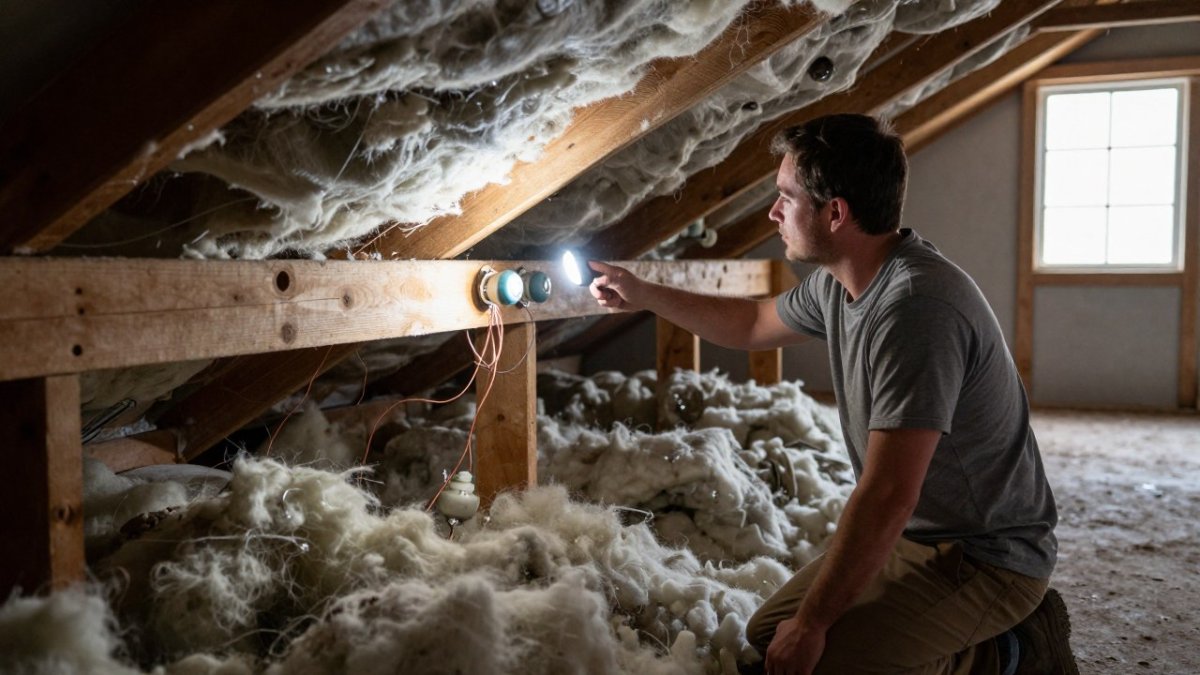
Knob-and-tube wiring is the most common concern. It was used in homes built before about 1950, and it lacks a ground wire and can overheat when it is covered with insulation. Many insurers will not write a policy on a home with active knob-and-tube wiring, or they will require it to be removed. For more on the fire risk, see U.S.
Ineligible Electrical Panels for Insurance
Some electrical panels can be flagged by insurers as ineligible for coverage. Ask your agent which panel models a given carrier will not write.
If you are not sure what panel you have, a licensed electrician can identify the brand and model. Check the panel's label and the inspection report, and keep a photo for your records.
Does Homeowners Insurance Cover Electrical Panel Replacement?
Panel replacement is often not covered when the panel is replaced because it is old or failing. It may be covered when the panel was damaged by a covered event, such as a fire or lightning strike.
Ask your agent to confirm this in writing before you start any work. A replacement you pay for out of pocket is not a claim, and it does not reset the coverage question.
Electrical Panel Replacement Cost and What Changes the Estimate
Panel replacement can be a significant out-of-pocket cost after an insurer flags an electrical system. The section below outlines what affects the cost.
What drives the estimate
Ask each electrician to break the quote into these line items so you can compare apples to apples:
- Panel amperage and capacity. Moving from a 100-amp panel to a 200-amp service is a different job than replacing a same-size panel, and it usually requires a new service drop, meter base, and grounding electrode system.
- Number of circuits and available spaces. A panel with no open breaker spaces often forces a subpanel or a larger main panel, which adds labor and material.
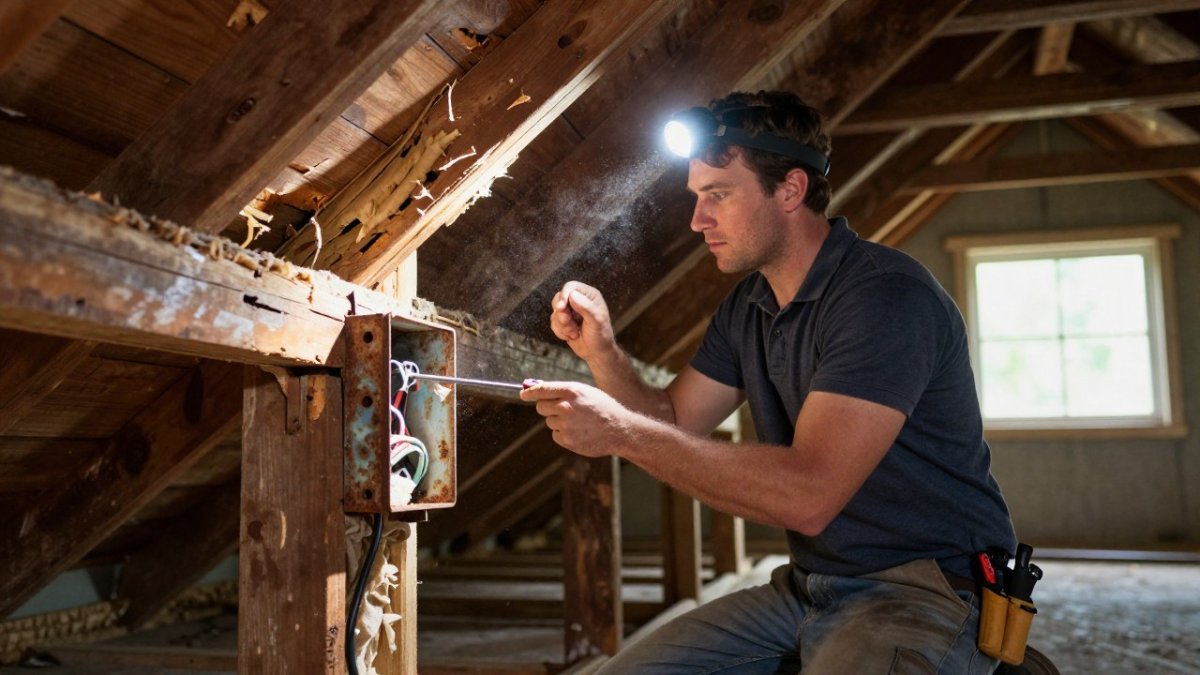
- Condition of the existing wiring. Aluminum branch wiring, cloth-insulated conductors, or double-tapped breakers can turn a panel swap into a partial rewiring job once the electrician opens the wall.
A budgeting framework
It can help to think about the cost in tiers rather than as one number:
- Inspection and written report. A licensed electrician's evaluation of the panel, service, and visible wiring is the smallest line item and the one that determines everything else. Get the report in writing with photos of the panel label and any defects.
- Panel replacement only. This covers the panel, breakers, labeling, permit, and inspection when the service and wiring are otherwise acceptable.
- Panel plus service or wiring corrections. This is the tier that surprises homeowners, because it includes the service upgrade, grounding, or branch-circuit repairs the electrician discovers after the permit is pulled.
Ask each electrician which tier their quote represents and what would move the job into the next tier. A quote that does not state its assumptions is not comparable to one that does.
Check whether a lower quote excludes the permit, the final inspection, or wall repair, since those costs can appear later.
How cost interacts with coverage
Panel replacement is usually not covered when the panel is replaced because it is old or failing, and it may be covered when the panel was damaged by a covered event such as a fire or lightning strike.
Electrician prices vary by provider. For current figures, ask at least three licensed electricians for written estimates that list each of the items above, and compare them line by line rather than by total.
The article breaks panel replacement costs into three tiers, shown below.
| Tier | What it covers | What to ask |
|---|---|---|
| Inspection and written report | Electrician's evaluation of panel, service, and visible wiring | Get it in writing with photos of the panel label |
| Panel replacement only | Panel, breakers, labeling, permit, and inspection | Confirm the service and wiring are otherwise acceptable |
| Panel plus service or wiring corrections | Service upgrade, grounding, or branch-circuit repairs found after the permit is pulled | Ask what would move the job into this tier |
Resolving Your Insurer's Electrical Concern Step by Step
When an insurer raises an electrical concern, the outcome usually depends less on the home's wiring than on how quickly and completely the homeowner responds. The steps below turn a vague notice into a documented file the carrier can act on.
Step 1: Read the notice and classify it
Insurers raise electrical concerns in a few distinct forms, and each one has a different response:
- A condition of coverage. The policy stays in force but requires a repair or inspection by a stated date. Missing the date can lead to cancellation.
- A nonrenewal notice. The carrier intends to end the policy at the next renewal unless the issue is resolved. These notices usually carry a statutory notice period, so the clock matters.
- An underwriting question before a new policy is issued. The carrier wants documentation before it will bind coverage, which is common during a home purchase.
Note the exact wording, the deadline, and whether the notice asks for an inspection, a repair, or both. If the notice is unclear, ask your agent to get the requirement in writing.
Step 2: Distinguish a panel issue from wiring elsewhere
A common mistake is assuming that replacing the panel resolves every electrical underwriting concern. It does not. A panel replacement addresses the panel and service equipment; it does not address knob-and-tube wiring, aluminum branch circuits, or ungrounded outlets elsewhere in the home. Ask the electrician to state in the report which components the insurer's concern actually touches, and whether the proposed repair resolves the whole concern or only part of it.
Step 3: Arrange an inspection and get a written report
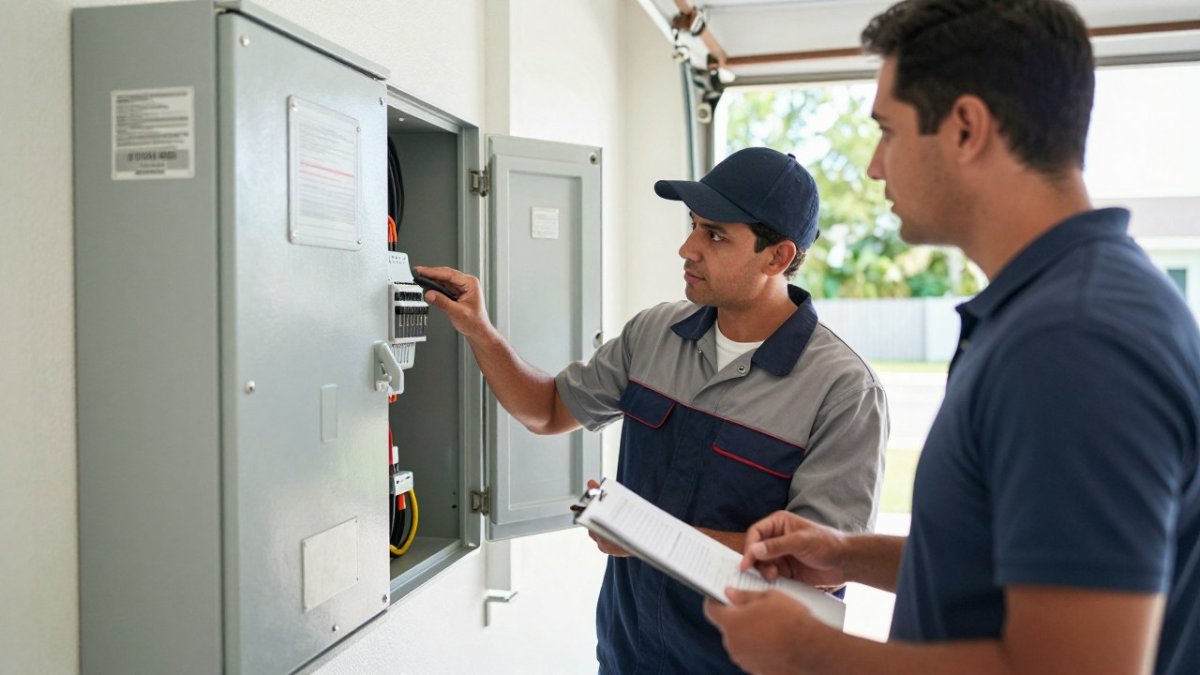
Hire a licensed electrician and ask for a report that names each defect, identifies the panel brand and model, and includes photos of the panel label and any problem areas. A report from a licensed electrician can speak to code compliance and remaining life, which carriers may request. Keep the original report; you will likely need to send it more than once.
Step 4: Obtain estimates and choose a path
Get at least three written estimates that separate the panel work from any wiring or service work. Compare them line by line, and confirm which ones include the permit and the final inspection. If the estimates differ by tier, ask each electrician what would move the job into the next tier so you can budget for the realistic outcome rather than the best case.
Step 5: Ask for an extension or a phased plan before the deadline
If the upgrade is unaffordable or cannot be completed before the deadline, tell your agent early. Some carriers may consider a documented extension or a phased plan when the homeowner provides a signed contract, a scheduled date, and interim risk controls.
Watch out: do not assume that a verbal assurance from an agent extends a deadline. Get any extension confirmed in writing with a new date.
Step 6: Submit proof of completion
Send the carrier a package that includes the paid invoice, the permit number, the final inspection sign-off, and photos of the completed work. Ask your agent to confirm receipt and to confirm in writing that the condition has been cleared and the policy remains in force. Keep a copy of the entire package with your home records, because a future buyer's insurer may ask for the same documentation.
Step 7: If the carrier still declines, compare options
If the carrier will not clear the condition or will not renew, ask your agent to shop the risk with carriers that write older homes, and ask what documentation each one requires.
Our team at Dehlinger Insurance can help you read the notice, assemble the documentation package, and talk through options with your carrier. book a coverage review with Dehlinger Insurance
Scheduling Your Electrical Review With Dehlinger Insurance
Outdated wiring and panels are fixable, but only if you know what your insurer needs. A short review of your policy and your home's electrical system can prevent a surprise at renewal or at claim time.
Questions to ask your agent:
- Does my policy cover electrical damage, and under what conditions?
- Which of my electrical components could affect eligibility?
- What proof does the carrier need, and by when?
Ask an electrician:
- Is my panel on any insurer's list of ineligible models?
- What repairs are required, and which are recommended?
Ask a home inspector:
- Do you see signs of knob-and-tube wiring or aluminum branch wiring?
- What is the estimated remaining life of the system?
Keeping your home insurable starts with knowing where your electrical system stands. Dehlinger Insurance has worked with Florida homeowners for over 38 years, and we work with carriers that specialize in older homes.
Frequently Asked Questions
Does homeowners insurance cover electrical issues?
Most standard homeowners policies cover sudden and accidental electrical damage, such as a fire or a surge that damages appliances. They usually do not cover wear, deterioration, or the cost of fixing old wiring itself. Coverage depends on your specific policy wording and your state's rules. Review your declarations page and ask your agent to explain exclusions for electrical damage so you know what applies to your home.
Can an outdated electrical system make a home ineligible for insurance?
Yes. Some insurers decline or restrict coverage for homes with older wiring, such as knob-and-tube or aluminum wiring, or with certain electrical panels known to present fire risk. Insurers may also require an electrical inspection, proof of repairs, or a panel replacement before they issue or renew a policy. Carriers differ in their underwriting guidelines, so a denial from one company does not mean every insurer will refuse your home.
Does homeowners insurance cover electrical panel replacement?
Standard policies generally do not pay to replace an electrical panel that is simply old or worn out. Coverage may apply if a covered event, such as a fire or lightning strike, damages the panel. When an insurer requires a panel replacement as a condition of coverage, the cost is typically the homeowner's responsibility. Ask your agent whether any policy endorsement or home warranty could help with the expense.
How much does electrical panel replacement cost?
Pricing depends on the panel's amperage, the number of circuits, the condition of the home's existing wiring, local permit fees, and how difficult the work is to access. Because costs vary widely, get written estimates from licensed electricians. For current pricing or help reviewing what your insurer requires, contact Dehlinger Insurance for a quote and guidance tailored to your home.