 How-to
How Do You Fix Four Point Inspection Deficiencies?
Last Updated: November 19, 2026
Quick Summary
To fix four point inspection deficiencies, repair each flagged system with a licensed contractor, pull the required permits, and document the work with invoices, photos, and final inspection sign-offs. Send the completed repair file to your agent before the inspection is resubmitted so any gap gets caught early.
- Polybutylene supply lines are an automatic fail with most carriers and must be replaced, not repaired.
- A panel swap is the most common electrical fix that clears a four point report.
- A one-line invoice saying roof replaced is the most common reason a replacement gets rejected.
- Anything tied to a permit, panel, gas line, or structural system needs a licensed contractor.
- A water heater replacement almost always requires a permit and a final inspection.
Table of Contents
- What Counts as a Four Point Inspection Deficiency?
- Common Four-Point Inspection Roof Deficiencies and How to Fix Them
- Four-Point Inspection Electrical Issues: What Inspectors Flag
- Four-Point Inspection Plumbing Problems That Fail a Report
- Four-Point Inspection Repair Documentation That Gets Accepted
- DIY Fix vs. Licensed Contractor: Which Repairs Can You Handle?
- Get Your Repairs Reviewed Before You Close
- Frequently Asked Questions
What Counts as a Four Point Inspection Deficiency?
A four point inspection deficiency is any condition in the roof, electrical, plumbing, or HVAC system that fails to meet the insurer's minimum acceptance standards. In practice, that means the inspector found something that could cause a claim, and the carrier wants it fixed before it will write the policy.
This guide from Dehlinger Insurance covers how to fix four point inspection deficiencies in the order that gets reports accepted fastest. Most deficiencies are fixable, and the paperwork matters as much as the repair.
What the Four Points Cover
The four points are the four systems an insurer cares about on an older home:
- Roof: covering, flashing, and remaining useful life
- Electrical: panel, wiring type, and double-taps
- Plumbing: supply lines, drains, and water heater condition
- HVAC: heating, cooling, and unit age
Each point gets a pass, fail, or repair recommendation. One failed point can sink the whole policy application.
Common Four-Point Inspection Roof Deficiencies and How to Fix Them
A roof deficiency can involve a covering that shows patched, lifted, or worn areas.
Here is how each roof flag gets resolved, and what the fix has to prove:
- Worn or curling shingles: replace the affected slope, not just the damaged tabs. A spot repair on a slope that is already at the end of its life will be re-flagged, because the inspector is judging the whole covering, not the patch.
- Active leak or water stain: fix the source first, then document the repair with photos of the attic side and the exterior. A stain that is still wet or still spreading reads as an active leak no matter what the ceiling looks like.
- Missing or damaged flashing: reset and seal at valleys, chimneys, and penetrations. Flashing failures are the most common source of the “active leak” flag, and they are cheap to fix relative to a replacement.
- Ponding water on a flat roof: correct drainage before resubmitting the report. Standing water is a structural and membrane issue, and patching the membrane without fixing the slope or the drains will not clear it.
- Missing or lifted ridge cap and damaged pipe boots: these are small-ticket items that inspectors flag because they are the first points of water entry. Replace them and photograph the finished work.
Watch out: painting over a stained ceiling does not fix a roof deficiency. Inspectors look at the attic side, and a fresh coat of paint over an active leak reads as concealment, which is worse than the original flag because it suggests the seller knew and hid it.
Repair vs. Replace: Reading the Roof Report
A repair recommendation means the covering has life left. A replacement recommendation means the insurer will not accept the roof as-is.
When you get the report, read the inspector's language carefully. “Repair” and “replace” are not interchangeable, and a report that says “repair or replace” is usually telling you the inspector thinks the roof is borderline. In that case, get a roofer's written opinion on remaining life before you decide, because the underwriter will weigh the roofer's scope against the inspector's note.
If the report calls for replacement, ask your roofer for a written scope that names the exact work: the squares of shingle, the underlayment, the flashing, the decking repair allowance, and the permit. Homeowners weighing a full replacement often want to know whether whether insurance covers roof replacement before committing to the cost. Florida homeowners face their own rules on this, so it helps to check Florida's rules on roof replacement coverage before you sign a contract.
Documenting a Roof Fix So It Clears
A roof repair clears the report only when the paper trail ties the work to the address, the date, and the specific deficiency. Build the roof file with:
- A licensed roofer's invoice that names the address and the slopes or components repaired
- The permit number and final inspection sign-off, where the jurisdiction required a permit
- Before-and-after photos of the exact deficiency the inspector flagged, the lifted flashing, the stained decking, the ponding area
- The manufacturer's warranty or material receipt for any new covering
If the inspector flagged the roof for age rather than damage, a repair invoice will not clear it. Age flags are cleared by replacement, and replacement is cleared by the permit and the final inspection. That is the mechanism most homeowners miss: the report is not asking whether the roof is dry today, it is asking whether the insurer can expect it to stay dry for the policy term.
Four-Point Inspection Electrical Issues: What Inspectors Flag
Electrical deficiencies are the hardest to argue with, because the code language is clear. The most frequent flags are a panel with no main disconnect, double-tapped breakers, and older wiring types that insurers treat as higher risk.
Fix these with a licensed electrician, not a handyman:
- Double-tapped breakers: separate the circuits onto their own breakers
- Federal Pacific or Zinsco panels: these are commonly flagged and often require panel replacement
- Missing GFCI protection: add GFCI outlets in kitchens, baths, and outdoor locations
- Exposed or ungrounded wiring: correct the grounding and document it
A panel swap is the most common electrical fix that clears a report. Get the permit and the final inspection on paper.
Four-Point Inspection Plumbing Problems That Fail a Report
The plumbing flags that fail reports most often are polybutylene supply lines, active leaks, and a water heater past its expected service life.
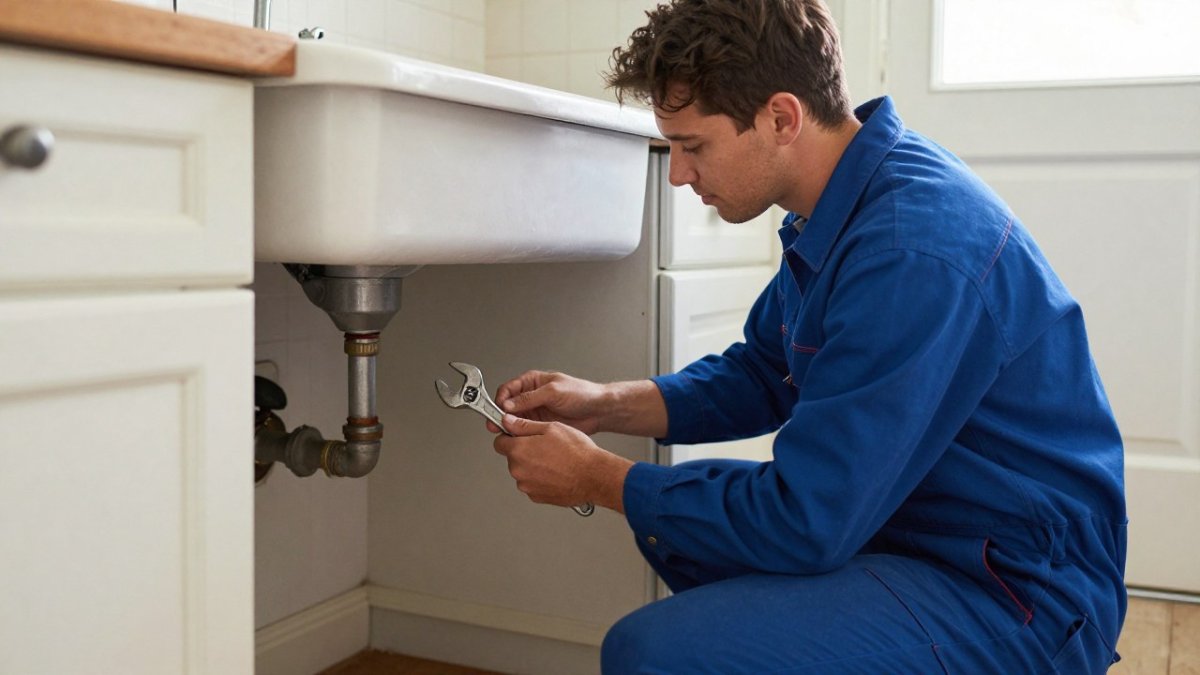
Polybutylene pipe is an automatic fail with most carriers. There is no repair that clears it.
Water heaters are simpler. If the unit is old or shows corrosion at the fittings, replace it. Keep the receipt and the install date.
Four-Point Inspection Repair Documentation That Gets Accepted
Documentation is where good repairs still get rejected. An insurer does not accept a verbal confirmation. It wants a paper trail that ties the fix to the address and the date.
Build a repair file with these items:
- Licensed contractor invoice with the property address
- Permit number and final inspection sign-off, where a permit was required
- Before-and-after photos of the specific deficiency
- Manufacturer receipt or warranty for new equipment
- A short cover letter listing each deficiency and how it was resolved
If you replaced piping, our guide on how to prove pipe replacement for insurance discounts walks through the proof carriers accept and the discounts that can follow.
DIY Fix vs. Licensed Contractor: Which Repairs Can You Handle?
Cosmetic and minor fixes are reasonable DIY work. Anything tied to a permit, a panel, a gas line, or a structural system needs a licensed contractor, and the report will not clear without that license number.
| Deficiency | DIY or Pro | Why |
|---|---|---|
| Recaulking flashing | DIY | No permit, no system change |
| Replacing a water heater | Pro | Permit and code compliance |
| Clearing a drain clog | DIY | Maintenance, not a repair |
| Panel replacement | Pro | Licensed electrician required |
| Replacing polybutylene lines | Pro | Permitted repipe with inspection |
| Patching a roof leak | Pro | Warranty and documentation |
| Adding GFCI outlets | Pro | Permit and licensed electrician |
| Replacing a supply line under a sink | Pro | Permit in most jurisdictions; leak risk |
The rule we give clients: if the fix touches a system the inspector flagged, hire the license. It costs less than a second inspection and a delayed closing.
What Actually Triggers a Permit
Most homeowners are surprised by how much of a four point repair is permit work. A water heater replacement almost always requires a permit and a final inspection, because the jurisdiction wants to confirm the relief valve, the venting, and the seismic strapping. A panel replacement requires an electrical permit and an inspection, and the inspector will want to see the grounding and bonding. A repipe requires a plumbing permit and, in many jurisdictions, a pressure test and a final inspection before the walls close.
A roof repair is the gray area. Replacing a few shingles or resetting flashing often does not require a permit, but a full replacement usually does, and the permit is what produces the final inspection sign-off the insurer wants to see. If you are unsure, call the local building department and ask what triggers a permit for the specific work.
Why the License Number Is the Document That Clears the Report
An underwriter is not reading your invoice for the price. They are reading it for three things: the license number, the address, and the scope.
Watch out: a contractor who offers to do permitted work “without pulling a permit” to save time is handing you a repair that may not clear the report, and the liability for unpermitted work follows the homeowner, not the contractor.
When a DIY Fix Is Genuinely Enough
Some flags are maintenance, not repair. Recaulking around a tub, clearing a slow drain, replacing a toilet flapper, or tightening a loose outlet cover are DIY tasks that do not change a system and do not need a permit.
The distinction matters because insurers treat “maintenance” and “deficiency” differently. A maintenance note is a suggestion; a deficiency is a condition the carrier wants resolved before it writes the policy.
Get Your Repairs Reviewed Before You Close
The last step is the one most buyers skip. Send the completed repair file to your agent before the inspection is resubmitted, so any gap gets caught early.
At Dehlinger Insurance, we work with top-tier carriers and can help you understand your coverage options. We also offer affordable payment plans for auto insurance premiums.
A failed four point inspection is a paperwork problem as often as a repair problem. Fix the system, keep the license number, and document the work. Dehlinger Insurance can review your report, match you with a carrier that fits an older home, and keep the closing on schedule. Get started with Dehlinger Insurance and get your repairs reviewed before you close.
Frequently Asked Questions
Can I get homeowners insurance with a failed four point inspection?
Yes, but usually not until the flagged items are repaired and documented. Most carriers will not bind a policy on a home with an active deficiency, so the report becomes a to-do list rather than a permanent denial. Once you complete the repairs and submit proof, the home can be re-inspected or the carrier can review the documentation directly. An independent agent can tell you which carriers will accept a re-inspection versus requiring a full new four point inspection.
How long do I have to fix four point inspection deficiencies?
There is no single statewide deadline. The timeline is set by your closing date and by the insurance carrier's underwriting requirements, and many carriers give a short window, often measured in days or a few weeks, to submit proof of repair. If you are buying a home, talk to your agent and closing coordinator early so the repair schedule fits the closing date. Waiting until the last week is the most common reason closings get pushed back.
Do four-point inspection repair documentation requirements differ by carrier?
They can. Some carriers accept clear photos, a contractor invoice, and a signed statement, while others want a licensed contractor's letter on letterhead or a re-inspection report. Keep every receipt, permit record, and before-and-after photo in one folder so you can submit whatever format is requested. Your agent can confirm exactly what the underwriter needs before you pay for work that may not satisfy the requirement.
What plumbing problems can cause a four point inspection to fail?
Inspectors typically flag active leaks, corroded or polybutylene supply lines, failed water heater components, slow drains, and toilets that do not seal properly. A water heater past its service life or missing a required drain pan and relief line is a frequent finding. Fixing these often means replacing a supply line, reseating a toilet, or installing a new water heater, and each repair should be documented with an invoice and photos for the underwriter.