 how-to
Florida Home Insurance for Older Houses: A 2026 Guide
Table of Contents
- What Defines an Older Home for Florida Insurance Purposes
- Understanding 4-Point Inspection Requirements
- HO-8 Policy vs. Standard HO-3 Coverage for Aging Homes
- Home Insurance Roof Age Requirements and Certification
- Wind Mitigation Inspection Benefits and Premium Savings
- Common Risks Associated with Aging Infrastructure
- Navigating Florida's Insurance Market and Citizens Policy Options
- Getting Approved: Steps to Secure Coverage for Your Older Home
Last Updated: August 12, 2026
What Defines an Older Home for Florida Insurance Purposes
An older home for Florida insurance purposes is typically defined as a residential property built before 1980, though some insurers use 1990 as the threshold. Insurers evaluate the actual condition of critical systems, roof, electrical wiring, plumbing, HVAC, and structural integrity, because older homes often lack modern building standards. A well-maintained 1975 home might qualify for better rates than a neglected 1995 property, but age itself creates underwriting challenges. Many carriers simply won't insure homes built before 1980 without significant documentation proving recent upgrades.
Standard homeowners policies (HO-3 coverage) typically require roofs no older than 20-25 years and electrical systems that meet current code. If your home doesn't meet these requirements, you'll face denial from mainstream carriers or substantial premium surcharges. Dehlinger Insurance works with multiple carriers who specialize in older properties, giving you actual options even when standard insurers turn you down.
The practical reality: if your home was built before 1980, expect to document recent renovations, roof replacements, or system upgrades. Without that documentation, you're looking at higher premiums, coverage restrictions, or placement in Florida's insurer of last resort, the Citizens Property Insurance Pool.
Understanding 4-Point Inspection Requirements
A 4-point inspection evaluates the four major systems of your home: roof, electrical, plumbing, and HVAC (heating, ventilation, air conditioning). In Florida, many insurers require this inspection before they'll quote coverage on homes built before 1980. It's not a full home inspection, it's specifically designed to assess whether these critical systems meet minimum insurability standards.
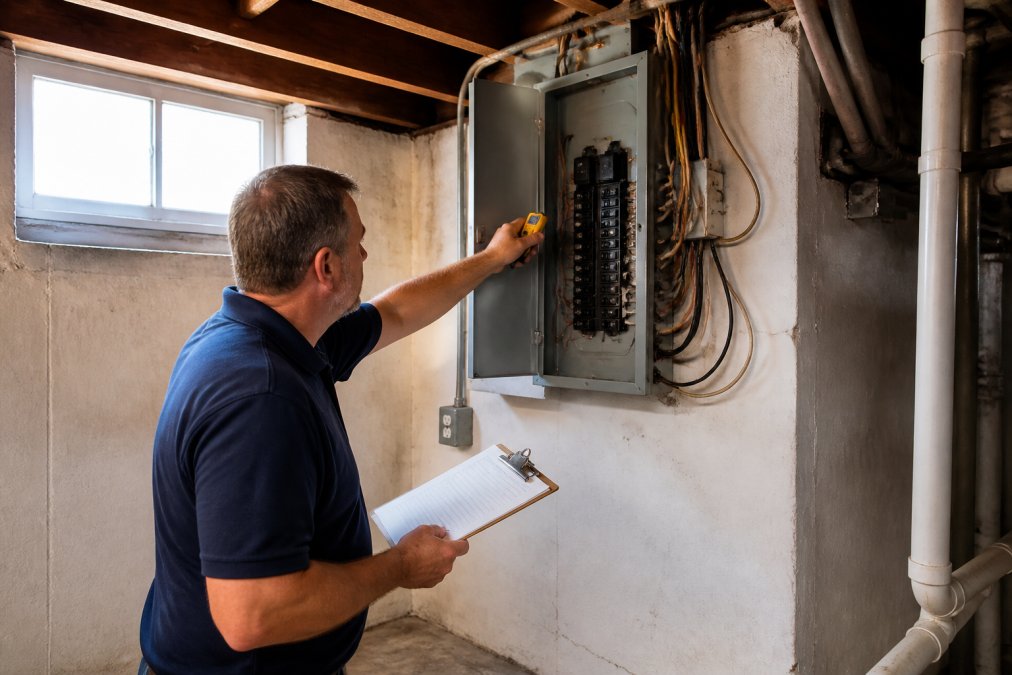
The inspection costs between $300 and $500 and takes about an hour. A licensed inspector documents the approximate age of each system, notes any visible defects, and provides a report that goes directly to the insurance carrier. If the report identifies problems such as knob-and-tube wiring, outdated plumbing, or a roof nearing the end of its lifespan, the carrier may decline coverage, require repairs, or apply premium surcharges.
Here's what the inspector actually checks:
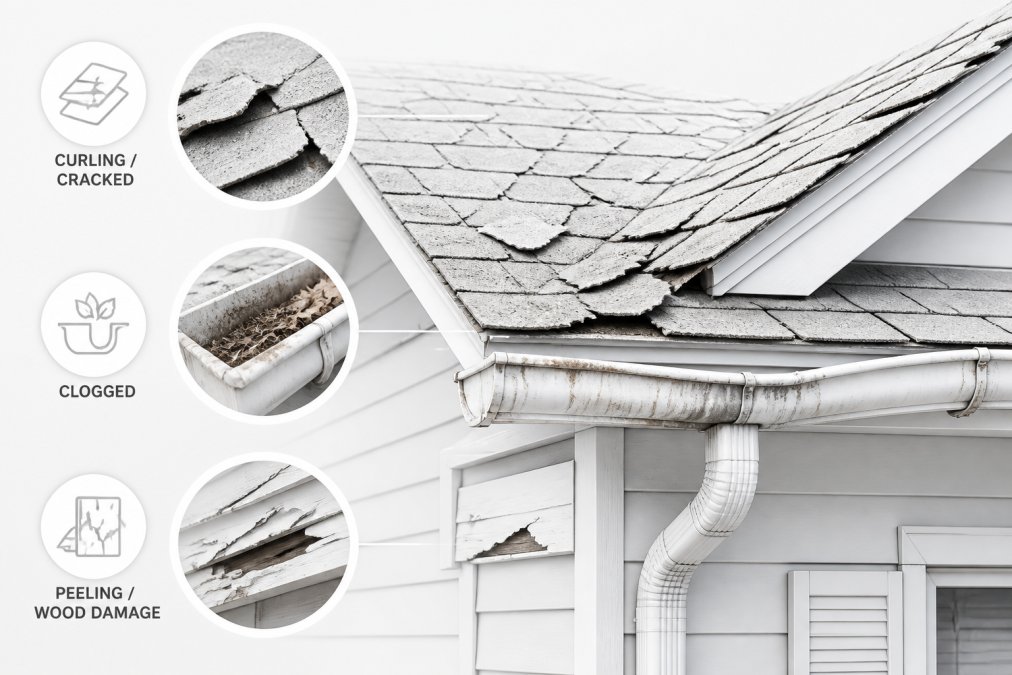
- Roof: Age, material, visible damage, condition of shingles or tiles
- Electrical: Panel type, wiring material (copper vs. aluminum), presence of double-tapped breakers or outdated systems
- Plumbing: Pipe material (copper, PVC, galvanized, or polybutton), visible leaks, water pressure
- HVAC: Age and condition of heating and cooling units, ductwork integrity
HO-8 Policy vs. Standard HO-3 Coverage for Aging Homes
An HO-8 policy is a modified homeowners insurance product designed specifically for older homes that don't meet standard underwriting guidelines. Instead of replacement cost coverage, an HO-8 policy typically covers actual cash value (ACV), the replacement cost minus depreciation. This is a significant difference that affects both your premiums and your recovery after a claim.
Standard HO-3 coverage is what most homeowners carry. It includes replacement cost for the dwelling, meaning the insurer will pay to rebuild your home to its pre-loss condition using current materials and labor costs. HO-3 policies also include higher liability limits, more generous coverage for personal property, and additional living expenses if you're displaced by a covered loss. However, HO-3 carriers typically won't insure homes built before 1980 unless recent upgrades are documented.
The trade-off is stark:
| Coverage Type | Replacement Cost | Actual Cash Value | Best For | Premium Level |
|---|---|---|---|---|
| HO-3 (Standard) | Yes | Included | Newer homes, modern systems | Lower |
| HO-8 (Modified) | No | Primary | Older homes, limited upgrades | Higher |
An HO-8 policy costs more per dollar of coverage because insurers view older homes as higher-risk. If your 1970s home suffers major roof damage from a hurricane, an HO-8 policy will pay based on what that roof is worth today (depreciated value), not what it costs to replace it with new materials.
Dehlinger Insurance can help you navigate the HO-3 vs. HO-8 decision. If you qualify for HO-3 coverage with recent documentation of system upgrades, that's almost always the better choice.
Home Insurance Roof Age Requirements and Certification
Roof age is the single most important factor in Florida home insurance for older houses. Most carriers won't insure a home with a roof older than 20-25 years, regardless of how well-maintained the rest of the property is. Florida's hurricane season creates extreme stress on aging roofing materials.
If your roof is approaching or exceeding the carrier's age limit, you have three options: replace it, get a roof certification that extends your insurability, or accept higher premiums.
A roof certification is a document from a licensed roofer stating that your roof is in good condition and has remaining useful life. This can extend your insurability even if the roof is 25-30 years old, but only if the roofer genuinely believes the roof is sound. The certification is most effective when your roof is 20-25 years old and in documented good condition.
A roof replacement resets your age clock to zero and typically qualifies you for better rates across the board. If your roof is 25+ years old, replacement often makes financial sense when combined with the insurance savings.
Wind Mitigation Inspection Benefits and Premium Savings
A wind mitigation inspection documents features of your home designed to resist hurricane and high-wind damage. In Florida, homes with documented wind mitigation features typically qualify for insurance premium discounts of 10-20% depending on which features your home has.
The inspection costs $150-$300 and identifies which wind mitigation features are present and properly installed. The inspector documents:
- Roof-to-wall connections (hurricane straps or clips)
- Roof covering type and installation method
- Opening protection (shutters, impact glass, or storm panels)
- Garage door reinforcement
- Foundation and structural anchoring
For homes built before 1980, these upgrades are often what make the difference between being insurable and being uninsurable. A $5,000 investment in hurricane straps, impact windows, or garage door reinforcement might reduce your annual premium by $500-$800, paying for itself in 6-10 years.
Common Risks Associated with Aging Infrastructure
Older homes in Florida face specific, documented risks that modern homes don't. These are the actual reasons carriers charge more and sometimes decline coverage entirely.
Electrical system failures are among the most common. Homes built before 1980 often have aluminum wiring, which corrodes over time and increases fire risk. Knob-and-tube wiring, used in homes built before the 1950s, lacks proper insulation and is a major red flag for insurers. Modern code requires copper wiring with proper grounding.
Plumbing deterioration creates water damage risk. Galvanized steel pipes, common in homes built before 1980, corrode from the inside out. Polybutylene pipes, installed in many homes from 1978-1995, are prone to brittleness and failure. Carriers view aging plumbing as a significant liability because water damage claims are expensive.
Call Us and Get a Quote Today! →
Roof deterioration accelerates in Florida's heat and humidity. Asphalt shingles typically last 15-20 years in Florida's climate. If your roof is original to a 1970s home, it's almost certainly past its serviceable life.
Foundation and structural issues become more common in older homes. Settlement cracks, concrete deterioration, and wood rot in support structures create long-term risk. Florida's high water table and sandy soil compound these issues.
Navigating Florida's Insurance Market and Citizens Policy Options
Florida's homeowners insurance market has contracted dramatically over the past five years. Multiple major carriers have exited the state or stopped accepting new business. This creates a two-tier market: standard carriers (increasingly selective) and the Citizens Property Insurance Pool (the insurer of last resort).
Standard market carriers are still available but focused on newer homes with good condition documentation. If you have an older home without recent upgrades, or if you've been declined by multiple carriers, you'll likely end up in the Citizens market.
Citizens Property Insurance Pool is a state-run insurer that provides coverage when the private market won't. It provides standard HO-3 coverage, but Citizens premiums are often higher because the pool absorbs risk that private insurers reject. Citizens also has less flexibility on coverage options and may impose higher deductibles.
However, there's a third path: specialty carriers that focus on older homes. These carriers have underwriting guidelines specifically designed for pre-1980 properties and understand that an older home with documented recent upgrades is insurable at reasonable rates. Dehlinger Insurance has relationships with these specialty carriers, which means we can often find coverage for older homes that would be declined elsewhere.
Getting Approved: Steps to Secure Coverage for Your Older Home
Securing coverage for an older home requires planning and documentation:
Step 1: Gather documentation of recent upgrades. Compile evidence of any system upgrades, repairs, or replacements, including roof work, electrical panel upgrades, plumbing repairs, HVAC replacement, or structural repairs. Get copies of permits, contractor invoices, and inspection reports.
Step 2: Schedule a 4-point inspection. Contact a licensed home inspector and request a 4-point inspection specifically. This costs $300-$500 and takes about an hour. Schedule this early so you have the report before shopping for quotes.
Step 3: Consider a roof certification if your roof is 20-25 years old. If your roof is in good condition, get a licensed roofer to provide a roof certification letter to extend your insurability.
Step 4: Get a wind mitigation inspection. This inspection costs $150-$300 and documents features that reduce hurricane risk, qualifying you for premium discounts.
Step 5: Contact Dehlinger Insurance for quotes. With your documentation in hand, reach out to get quotes from multiple carriers. Dehlinger Insurance works with specialty carriers that focus on older homes, often accessing coverage and rates you won't find by shopping online.
Step 6: Review the policy details carefully. Compare not just the premium but the coverage limits, deductibles, and exclusions. Make sure you understand what you're actually getting.
Step 7: Plan for renewal. Document any additional upgrades or maintenance you perform. When your policy renews, you'll have evidence to support requests for rate reductions or better coverage options.
The entire process typically takes 4-6 weeks from initial documentation to policy issuance. If you're buying a home, start this process as soon as you have a purchase agreement.
Securing insurance for an older Florida home requires more effort than insuring a newer property, but it's absolutely achievable with proper documentation and the right carrier relationships. The key is proving that your home is maintained and that critical systems are in good condition. Dehlinger Insurance has spent over 38 years helping Florida homeowners navigate these challenges. We work with carriers that specialize in older properties and understand that age alone doesn't determine insurability. Call us and get a quote today, we'll help you find coverage that actually makes sense for your home and your budget.
Frequently Asked Questions
What is a 4-point inspection and why is it required for older homes in Florida?
A 4-point inspection examines the four major systems in your home: roof, electrical, plumbing, and HVAC. Insurance carriers require this inspection for homes over 30 years old to assess structural integrity and identify risks before issuing a policy. The inspection provides underwriting guidelines that determine whether your home qualifies for standard coverage or requires an HO-8 policy with limited replacement cost protection.
Can I get Florida home insurance for an older house with a 20-year-old roof?
Most insurers require roofs to be no older than 20-25 years, though some accept roofs up to 30 years if properly maintained and recently inspected. A roof certification from a licensed inspector strengthens your application. If your roof exceeds age limits, you may qualify for an HO-8 policy or need roof replacement to access standard coverage. Dehlinger Insurance can review your specific situation and connect you with carriers that accept older roofs.
How does the age of a home affect my insurance premiums?
Older homes typically carry higher premiums due to increased risk from aging electrical systems, plumbing material degradation, and structural wear. However, wind mitigation improvements, recent roof replacement, and updated electrical or plumbing systems can reduce surcharges. Replacement cost coverage also costs more than actual cash value. Getting quotes from multiple carriers and maximizing mitigation credits can lower your overall premium significantly.
What are my options if I'm turned down by standard insurers?
If rejected by private insurers, you may qualify for Citizens Property Insurance, Florida's state-backed insurer of last resort. However, Citizens policies typically cost more and offer limited coverage options. Before turning to Citizens, work with an agency like Dehlinger Insurance that has relationships with specialty carriers willing to insure older homes. Many carriers focus specifically on vintage architecture and aging properties that standard insurers decline.
This article was written using GrandRanker