 how-to
Appeal a Denied Wind Mitigation Insurance Credit
Last Updated: October 23, 2026
Quick Summary
A wind mitigation insurance credit denial can often be appealed by submitting stronger documentation, such as professional inspection reports, clear photographs with dates, and permit records that prove your home has qualifying wind-resistant features like roof-to-wall connections, impact-resistant roofing, or opening protection.
- Most denials occur due to missing documentation, incomplete inspection reports, or unclear evidence rather than unqualified homes.
- Professional wind mitigation inspection reports carry significant weight in appeals and should include inspector license number, specific measurements, and photographs.
- Your appeal package must be organized with numbered documents, a cover letter explaining each feature, and proof of delivery when submitted.
- Insurers must respond to appeals within 30-45 days, and you can escalate to your state insurance commissioner if denied twice.
- Dehlinger Insurance has helped Florida residents for over 38 years navigate wind mitigation credit denials and appeals.
Table of Contents
- Why Your Wind Mitigation Insurance Credit Was Denied
- Understanding Wind Mitigation Credit Requirements
- Gathering Evidence for Your Wind Mitigation Appeal
- Writing an Effective Wind Mitigation Appeal Letter
- Filing Your Appeal: Step-by-Step Process
- When to Escalate Your Wind Mitigation Credit Dispute
- How Dehlinger Insurance Can Help
- Frequently Asked Questions
Why Your Wind Mitigation Insurance Credit Was Denied
Your insurer denied your wind mitigation insurance credit for a specific reason.
The frustrating part is that many homeowners have the right improvements but submitted the wrong evidence. Your roof might be perfectly reinforced.
At Dehlinger Insurance, we've helped Florida residents appeal denied wind mitigation credits by understanding exactly what insurers are looking for.
Common denial reasons include:
- Missing roof inspection reports with specific details
- Photographs that don't show the required features clearly
- Permit records that are incomplete or hard to locate
The key is knowing which evidence actually moves an appeal forward.
Understanding Wind Mitigation Credit Requirements
Wind mitigation insurance credit requirements vary slightly by insurer, but they all follow the same basic principle: your home must have documented, professionally verified improvements that reduce wind damage risk.
Your insurer isn't asking for perfection. They're asking for proof that specific features exist and were installed properly. The features they care about are measurable, inspectable, and tied directly to wind resistance.
What Your Insurer Actually Looks For
Insurers evaluate wind mitigation credits based on specific, observable features. They want to see evidence that your home has structural upgrades designed to withstand high winds.
The main features that qualify for credits include:
- Roof-to-wall connections: Metal straps or clips that tie the roof structure to the walls, preventing uplift
- Roof covering: Impact-resistant shingles or metal roofing rated for wind resistance
- Opening protection: Storm shutters, impact-resistant windows and doors, or reinforced garage doors
Each feature needs documentation showing it exists and meets standards. A visual inspection alone isn't enough. You need paperwork proving installation.
Common Documentation Gaps That Trigger Denials
Most denials happen because homeowners have the improvements but can't prove them to the adjuster's satisfaction.
Documentation gaps that cause rejections:
- Roof inspection reports lacking specific measurements or fastening details
- Photographs taken from angles that don't clearly show the feature
- Missing permit records or contractor invoices from the original installation
The insurer needs to verify that what you're claiming actually exists and meets their standards. Vague evidence creates doubt, and doubt leads to denial.

Gathering Evidence for Your Wind Mitigation Appeal
Your appeal package needs to answer one question for the adjuster: "Does this home have the features being claimed, and do they meet our standards?"
The stronger your evidence, the harder it is to deny. You're not arguing. You're showing.
Photographs and Visual Documentation
Photographs are your first line of evidence. But they need to be specific, clear, and show the exact features you're claiming.
Good photographs for a wind mitigation appeal show:
- Roof-to-wall connections: Close-ups of metal straps or clips where the roof meets the walls, taken from angles that clearly show the fastening hardware
- Roof covering: Images showing the shingle type, granule pattern, or metal roofing material, with any manufacturer markings visible
- Opening protection: Storm shutters in closed and open positions, impact-resistant window frames, reinforced door frames
Include timestamps or dates on your photographs. This proves the improvements existed when you're claiming they did.
Take photographs in good lighting. Shadows and poor visibility create doubt. If you can't photograph something clearly from the ground, hire a professional inspector to do it for you.
Getting a Wind Mitigation Inspection Report
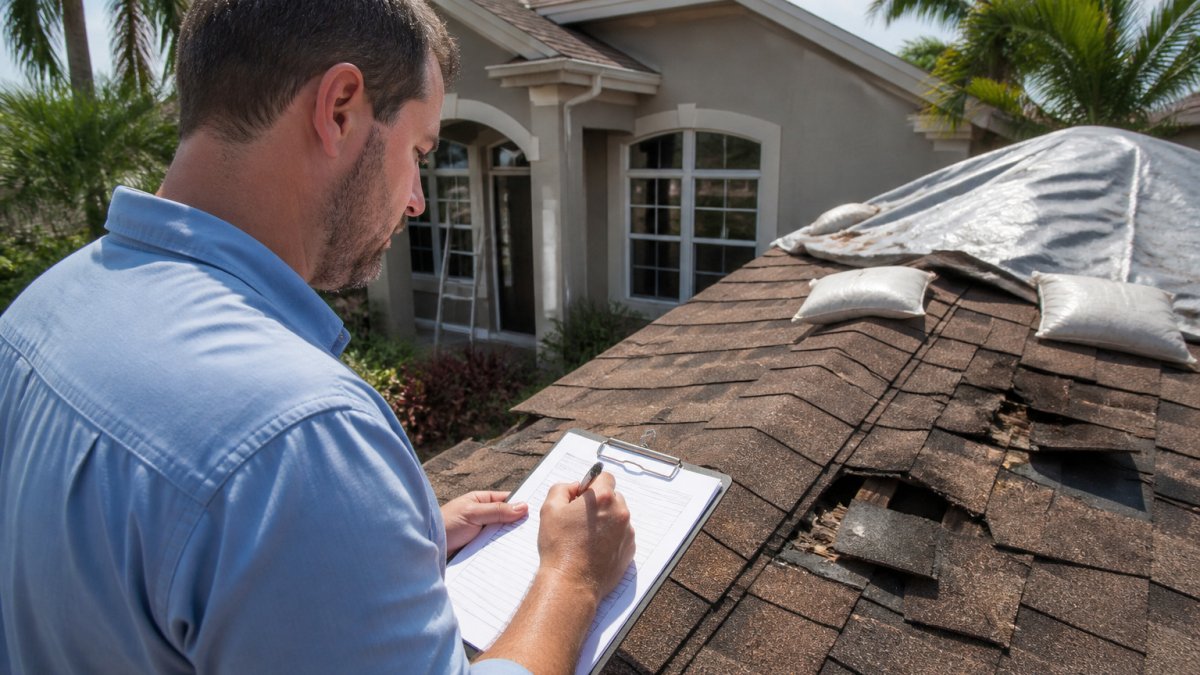
A professional wind mitigation inspection report carries significant weight in an appeal. Learn what to expect from the inspection process and how to prepare for it. Insurers trust licensed inspectors more than homeowner photographs.
The inspection report should include:
- Inspector's license number and state certification
- Specific measurements and fastening details (nail spacing, strap dimensions, fastener types)
- Photographs taken by the inspector showing each feature
When you hire an inspector, ask specifically for a report formatted for insurance appeals. Some inspectors are familiar with appeal submissions and know exactly what language and detail insurers expect.
Contractor and Permit Records
If your improvements were installed by a contractor, get copies of:
- Original work permits from your local building department
- Contractor invoices showing the work performed and dates
- Any inspection certificates from the building department
Permits prove that work was done to code. They're official records, which carry more weight than your word alone.
If you installed improvements yourself, gather:
- Receipts for materials purchased
- Photographs documenting the installation process
- Your own written description of what was done and when
Writing an Effective Wind Mitigation Appeal Letter
Your appeal letter is your chance to explain why the denial was wrong. It's not angry. It's not defensive. It's factual and organized.
The letter tells the story of your documentation. It walks the reviewer through the evidence step by step.
Structure and Key Elements
A strong appeal letter has a clear structure:
- Opening statement: Identify the claim number, the credit being appealed, and the original denial reason
- Your position: State clearly that you believe the denial was incorrect and why
- Feature-by-feature breakdown: For each wind mitigation feature you're claiming, explain what you have, where the evidence is, and why it meets the insurer's standards
- Supporting documentation reference: List the specific documents included (inspection report, photographs, permits, etc.)
- Closing request: Ask for reconsideration and specify what outcome you're requesting (approval of the credit, retroactive adjustment, etc.)
Keep the letter professional but direct. The adjuster reading it is looking for clear evidence, not persuasive writing. Let your documentation do the convincing.
Sample Language and Tone
Your letter should sound like someone presenting facts, not someone complaining. Use this tone:
"I am writing to appeal the denial of my wind mitigation insurance credit dated [date]. The denial stated that [specific reason]. I believe this determination was incorrect based on the following evidence.
Call Us and Get a Quote Today! →
My home has [specific feature]. This feature was [installed/verified] on [date].
Additionally, [second feature] is documented in [type of documentation]. This meets the insurer's standards for [reason].
The attached inspection report from [inspector name, license number] confirms these features.
Based on this evidence, I request that you reconsider your denial and approve the wind mitigation insurance credit retroactively to [date if applicable]."
Keep sentences short and specific. Avoid emotional language. Stick to facts.
Filing Your Appeal: Step-by-Step Process
Your appeal follows a specific process. Each step matters because it creates a record of your attempt to resolve the issue.
Step 1: Request a Written Explanation
Before filing a formal appeal, request a detailed written explanation of why your credit was denied.
Call your insurer's customer service and ask for:
- The specific reason for denial in writing
- A copy of the denial letter
- The name and contact information of the person who made the decision
Get this in writing. Email confirmations work. A written explanation tells you exactly what evidence you need to address in your appeal.
Step 2: Compile Your Appeal Package
Gather all your documentation into a single, organized package. Organization matters because it makes the reviewer's job easier.
Your package should include:
- Cover letter explaining the appeal
- Copy of the original denial letter
- Professional wind mitigation inspection report
Number each document. Reference the numbers in your cover letter. Make it easy for the reviewer to find what you're referencing.
Step 3: Submit Your Appeal
Check your policy or denial letter for the specific submission method. Most insurers accept appeals by:
- Mail to the address listed on your denial letter
- Email to a designated appeals email address
- Online submission through your policy portal
Send your package via a method that provides proof of delivery (certified mail, email with read receipt, or online tracking). You need evidence that you submitted the appeal.
Include a cover sheet with your policy number, claim number, and contact information at the top.
Step 4: Follow Up and Track Timeline
Appeals have deadlines. Your insurer must respond within a specific timeframe, usually 30-45 days.
After submitting your appeal:
- Note the submission date and method
- Wait for acknowledgment from the insurer
- If you don't hear back within 5 business days, call to confirm receipt
If the insurer denies your appeal again, ask for a detailed written explanation of why each piece of evidence was rejected. This information is critical if you need to escalate further.
Follow these steps in order to submit your wind mitigation credit appeal to your insurer.
| Step | Action | Key Detail |
|---|---|---|
| 1 | Request written explanation | Get specific denial reason in writing |
| 2 | Compile appeal package | Organize all documents with numbering |
| 3 | Submit appeal | Use method with proof of delivery |
| 4 | Follow up and track | Insurer must respond in 30-45 days |
When to Escalate Your Wind Mitigation Credit Dispute
If your appeal is denied a second time, escalation becomes necessary. At this point, you've tried the standard process. The next steps are more formal.
Escalation options include requesting reconsideration from a supervisor at the insurance company or filing a complaint with your state's insurance commissioner.
Many insurers have an internal appeals process that goes beyond the first-level review. Ask your insurer if a second-level appeal is available and what additional evidence or arguments might change the outcome.
If the insurer continues to deny your appeal despite clear documentation, contact your state insurance commissioner's office. You can also learn how to dispute a Florida home insurance non-renewal, which follows a similar escalation process.
How Dehlinger Insurance Can Help
Appealing a denied wind mitigation insurance credit is time-consuming, but you don't have to do it alone.
We can help by:
- Reviewing your denial letter and explaining what the insurer is asking for
- Connecting you with licensed wind mitigation inspectors who understand appeal requirements
- Organizing your documentation into a compelling appeal package
We work with multiple top-tier carriers, which means we understand how different insurers evaluate wind mitigation credits. Contact our Orlando office to discuss your specific situation and next steps.
[Contact us to discuss your wind mitigation credit denial and explore your options for appeal.
A denied wind mitigation insurance credit is frustrating, but it's rarely final. Dehlinger Insurance helps Florida residents understand what insurance premium discounts are available and how wind mitigation credits fit into your overall coverage strategy.
Frequently Asked Questions
Why would an insurer deny a wind mitigation credit?
Insurers deny wind mitigation credits for several reasons: incomplete documentation of improvements, missing inspection reports, improvements that don't meet current building codes, lack of proof that work was completed by licensed contractors, or features that don't reduce the specific wind risks your home faces. If your insurer denied your credit, request a written explanation detailing exactly which improvements were rejected and why. This clarity is essential for building your appeal.
What should I include in a wind mitigation appeal letter?
Your wind mitigation appeal letter should include: your policy number, the date of the original denial, a clear statement that you're appealing the decision, point-by-point responses to each denial reason, references to attached documentation (inspection reports, permits, photographs), and specific details about each mitigation feature (installation date, contractor name, materials used). Keep the tone professional and factual. Attach copies, never originals, of all supporting evidence, organized clearly by feature type.
Can a wind mitigation inspection report help overturn a denial?
Yes. A professional wind mitigation inspection report from a certified inspector carries significant weight in an appeal. It documents existing mitigation features, verifies they meet current standards, and explains how each feature reduces wind risk. The report provides third-party verification your insurer cannot easily dismiss. If your initial appeal included no inspection, obtaining one now and resubmitting strengthens your case considerably. Make sure the inspector is recognized by your state's insurance department.
How long does an insurer have to review a wind mitigation credit appeal?
Most insurers must respond to a wind mitigation credit appeal within 30 to 45 days, though this varies by carrier and state regulations. Your denial letter should specify the appeals deadline and review timeline. Document when you submit your appeal in writing. If you don't hear back within the stated timeframe, contact your insurer's appeals department for a status update. If the insurer continues to delay unreasonably, you can escalate to your state's insurance commissioner.