 how-to
How to Dispute a Florida Home Insurance Non-Renewal
Table of Contents
- What a Florida Home Insurance Non-Renewal Means for You
- Step 1: Review the Notice and Florida Homeowners Insurance Non-Renewal Notice Requirements
- Step 2: Contact Your Insurer or Insurance Agent to Request Reconsideration
- Step 3: Build an Evidence-Based Appeal With a Home Insurance Non-Renewal Letter Template
- Step 4: File a Complaint Through the Florida Insurance Complaint Process
- Step 5: How to Get Home Insurance After Nonrenewal
- Common Mistakes That Weaken a Florida Home Insurance Appeal
- Conclusion
- Frequently Asked Questions
Last Updated: October 6, 2026
What a Florida Home Insurance Non-Renewal Means for You
A non-renewal means your insurer will not renew your policy when it ends. It is not a cancellation. Your coverage stays active until the expiration date, then stops.
The distinction matters more than most homeowners realize.
Non-renewal happens at the end of your policy term. The insurer chooses not to offer a new policy. Cancellation ends coverage mid-term, and state rules limit when an insurer can do that. Florida law treats these two events differently, and your rights differ too.
You have options. You can ask for reconsideration, file a formal appeal, or complain to the state. But timing decides everything.
Non-Renewal vs. Cancellation: The Legal Difference
A cancellation stops your policy before its end date. A non-renewal simply lets it expire.
Under Florida law, insurers must give written notice before a non-renewal takes effect. The notice must state the reason. Common reasons include roof age, claim history, or an inspection finding.
You cannot dispute a cancellation the same way you dispute a non-renewal. Know which one you received before you act.
Why Insurers Non-Renew Policies in Florida
Insurers non-renew when a property no longer fits their underwriting rules. The risk assessment changed, so they step back.
The most common triggers we see:
- Roof age or visible roof condition
- A pattern of claims, even small ones
- An open claim still being handled
- Deferred maintenance found at inspection
- A change in the home's use or occupancy
None of these mean your home is uninsurable. They mean this carrier no longer wants it.
Step 1: Review the Notice and Florida Homeowners Insurance Non-Renewal Notice Requirements
Read the notice the day it arrives. Find three things: the reason, the effective date, and your appeal instructions.
Florida homeowners insurance non-renewal notice requirements exist so you are not blindsided. Insurers must send written notice and state a specific reason. If the notice is vague, that alone can be grounds to push back.
Check these items:
- The policy number and named insured
- The exact non-renewal date
- The stated reason, in writing
- Any mention of how to dispute the decision
If any of that is missing, note it. A defective notice weakens the insurer's position.
Notice Periods by Reason for Non-Renewal
Notice periods can vary by the reason for the non-renewal. Some reasons carry longer notice windows than others.
Do not assume you have a set number of days. Read the dates on your own notice and count backward from the expiration date. If the notice arrived with little runway, say so in writing. Late notice is a legitimate point in a dispute.
Step 2: Contact Your Insurer or Insurance Agent to Request Reconsideration
Call your insurance agent first. Many non-renewals get reversed at this stage, before any formal appeal.
Your agent can pull the underwriting file and see the real reason. Sometimes it is a data error. Sometimes an inspection report is outdated. A quick call can surface both.
When you call, have your policy number ready. Ask three questions:
- What specific condition triggered this?
- What would need to change to reverse it?
- Can this be reviewed before the non-renewal date?
Write down the date, the name of who you spoke with, and what they said. That record matters if you escalate later.
Step 3: Build an Evidence-Based Appeal With a Home Insurance Non-Renewal Letter Template
An appeal works when it is evidence-based, not emotional. Attach proof, cite the reason, and ask for a specific outcome.
Gather your documents first:
- The non-renewal notice
- Repair invoices and permits
- A recent roof or home inspection report
- Photos with dates
- Any open claim status letters
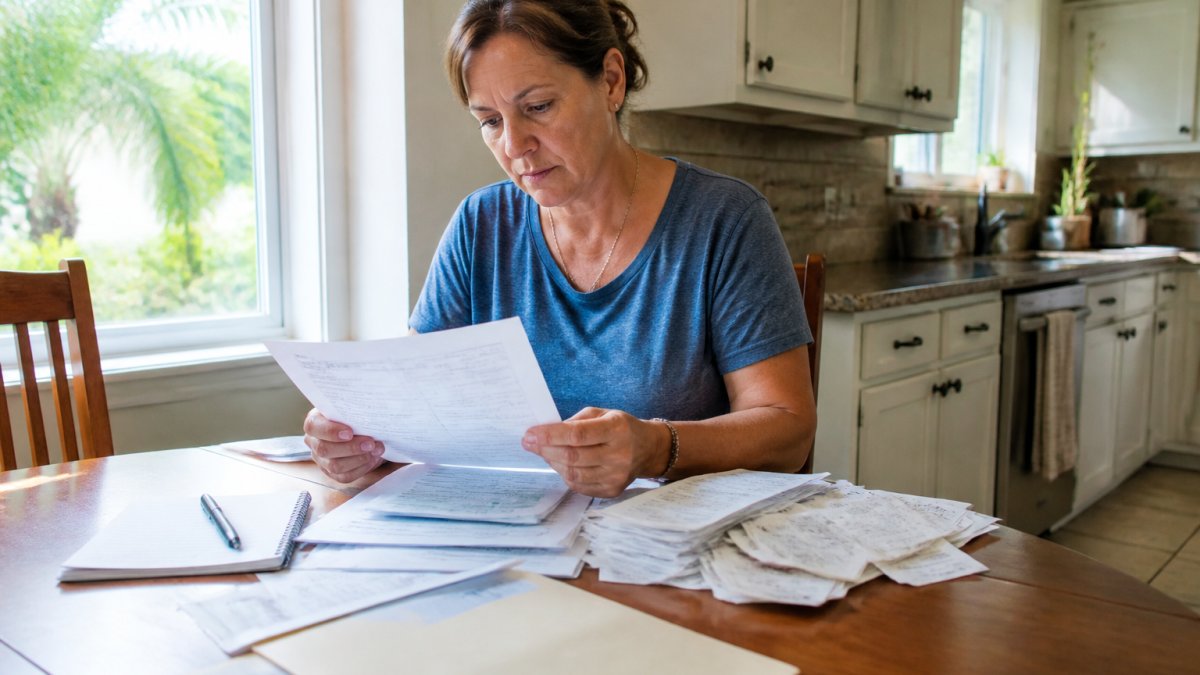
Then use this home insurance non-renewal letter template:
[Date]
[Insurer Name] [Claims/Underwriting Department Address]
Re: Request for Reconsideration of Non-Renewal Policy Number: [Number] Named Insured: [Your Name] Property Address: [Address] Non-Renewal Date: [Date]
To Whom It May Concern:
Call Us and Get a Quote Today! →
I am requesting reconsideration of the non-renewal of the above policy. The stated reason was [reason from notice].
Since that notice, the following has been completed: [list repairs, with dates and contractor names]. Enclosed please find [list attachments: invoices, permits, inspection report, photos].
Based on this documentation, I ask that the non-renewal be withdrawn and the policy renewed. Please confirm your decision in writing by [date].
Sincerely, [Your Name] [Phone] | [Email]
Send it by certified mail and keep the receipt. Email a copy too.
Step 4: File a Complaint Through the Florida Insurance Complaint Process
If the insurer denies your appeal, escalate. The Florida insurance complaint process lets you file a consumer complaint with the state regulator, and it is the strongest formal lever most homeowners have. Persistence remains essential even when the dispute involves specific property losses, as homeowners must often navigate complex documentation requirements to successfully appeal a denied claim.
The regulator is the Florida Department of Financial Services (DFS), Division of Consumer Services. DFS is separate from the Office of Insurance Regulation (OIR): OIR regulates insurers and market conduct, while DFS Consumer Services handles individual consumer complaints and can forward them to the insurer for a written response.
How to File, Step by Step
- Gather your file. You need the policy number, the named insured, the property address, the non-renewal notice, the stated reason, your written appeal, and any proof of repairs or inspections.
- File online through the DFS Consumer Services portal (the "File a Complaint" tool on the DFS website). You can also call the DFS Consumer Helpline to file by phone, or mail a paper complaint form.
- Choose the right complaint type. Select the category that matches your issue, for a non-renewal, that is typically an underwriting or policy non-renewal complaint, not a claims complaint. Mislabeling it slows routing.
- State the facts in order. Date the notice arrived, the stated reason, what you submitted, what the insurer said, and what outcome you want. Attach documents rather than describing them.
- Keep the complaint number. DFS assigns a tracking number. Use it in every follow-up.
File a consumer complaint with the Florida Department of Financial Services
What Happens After You File
DFS reviews the complaint for completeness, then sends it to the insurer, which must respond in writing. A common pattern is a response window measured in weeks, not days, do not expect a same-week resolution. DFS may ask you for more information, mediate informally between you and the insurer, or refer the matter to OIR if it suggests a broader market-conduct issue.
What DFS can do:
- Create an official record of the dispute
- Require the insurer to answer in writing
- Identify whether notice and underwriting rules were followed
- Refer patterns to OIR for market-conduct review
What DFS cannot do:
- Order the insurer to renew your policy
- Award damages or attorney fees
- Override a lawful underwriting decision
Escalation Options and What Each Can and Cannot Do
Each option has limits. Know them before you spend time.
| Option | What It Can Do | What It Cannot Do |
|---|---|---|
| Agent call | Fix data errors, request internal review | Override underwriting rules |
| Written appeal | Reverse a decision when evidence supports it | Force renewal without cause |
| DFS consumer complaint | Trigger a required written response and regulatory review | Order the insurer to renew |
| OIR market-conduct referral | Investigate patterns across policies | Resolve your individual policy |
| Mediation or legal advice | Resolve contract and claim disputes | Guarantee renewal |
| New carrier | Restore coverage now | Undo the old decision |
The DFS complaint is your strongest formal lever short of litigation. Use it after your appeal, not instead of it.
When to Talk to a Lawyer Instead
If your non-renewal is tangled up with an open claim, an allegation of claim-related retaliation, or a dispute over what your policy actually covers, a consumer insurance attorney may be the better path. Those situations involve contract and claims law that DFS complaint handling does not resolve. Keep your claim file separate from your renewal file, and do not let a renewal fight cause you to miss a claim deadline.
Step 5: How to Get Home Insurance After Nonrenewal
Start shopping before your policy expires. A coverage gap can raise your future premiums and complicate a mortgage.
How to get home insurance after nonrenewal comes down to preparation. Fix the issue that triggered the non-renewal, then show proof to new carriers.
Steps that work:
- Complete the repair and keep the invoice
- Get a current inspection report
- Work with an independent agent who has multiple carriers
- Ask about carriers that write older or higher-risk homes
- Lock in new coverage before the expiration date
At Dehlinger Insurance, we work with multiple top carriers and specialize in older Florida homes that standard insurers turn down. Our team has served Florida residents for over 38 years.
Common Mistakes That Weaken a Florida Home Insurance Appeal
Most failed appeals share the same errors. Avoid them.
- Waiting until the last week to act
- Calling to argue instead of asking for a review
- Sending an appeal with no documentation
- Ignoring the stated reason and disputing everything
- Missing the appeal window in the notice
- Letting coverage lapse while you fight
One more: don't assume a denial is final. Many homeowners accept the first "no" and never escalate.
Conclusion
A non-renewal feels final, but it usually is not. Read the notice, call your agent, build an evidence-based appeal, and escalate to the state if you must. Move fast, and keep every document.
If you are facing a non-renewal and need coverage that fits your home, Dehlinger Insurance can help. We offer personalized guidance, access to multiple top carriers, and specialized coverage for older and high-value homes. Call us and get a quote today.
Frequently Asked Questions
Can I dispute a homeowners insurance non-renewal in Florida?
Yes. You can dispute a Florida home insurance non-renewal by contacting your insurer or agent to request reconsideration, submitting an evidence-based appeal with repair records and inspection reports, and filing a complaint with the Florida Department of Financial Services if the insurer does not reverse the decision. A non-renewal is not automatically final, but the outcome depends on whether you can show the underwriting concern has been resolved or was based on incomplete information.
How much notice must an insurer give before non-renewing a Florida homeowners policy?
Florida law requires insurers to provide written notice of non-renewal at least 120 days before the policy expiration date for most homeowners policies. If the non-renewal is due to nonpayment of premium, the notice period can be shorter. The notice must state the specific reason for the decision. Check your policy expiration date and the date on the notice to confirm the insurer met the requirement.
What should I include in a letter disputing a home insurance non-renewal?
Your letter should include your policy number, the date of the non-renewal notice, a clear statement that you are requesting reconsideration, and documentation addressing the specific reason for non-renewal. Attach repair receipts, contractor estimates, inspection reports, or photos showing the condition has been corrected. If the decision involved an open claim, include the claim status and any supporting correspondence. Keep a copy and send the letter by certified mail or through a channel that provides delivery confirmation.
How do I file a complaint about a Florida homeowners insurance non-renewal?
You can file a complaint through the Florida Department of Financial Services online portal or by calling the department's consumer helpline. Include your policy number, the insurer's name, the date of the non-renewal notice, the reason given, and copies of any correspondence. The department will forward your complaint to the insurer for a response. Keep in mind that the department can investigate and mediate, but it cannot force an insurer to renew a policy.