 ultimate-guide
Florida Home Insurance for Retired Snowbirds: 2026 Guide
Table of Contents
- Why Florida Home Insurance Coverage for Retired Snowbirds Is Different
- Florida Vacant Home Insurance: When Seasonal Absence Becomes a Coverage Problem
- Florida Hurricane Insurance for Seasonal Residents: Wind, Water, and Deductibles
- Florida Vacation Home Insurance vs. Primary Residence Policies
- Home Checklist Before Leaving for the Season
- Managing Premiums and Coverage Limits Without Creating Gaps
- Conclusion: Protecting Your Florida Home Year-Round
- Frequently Asked Questions
Last Updated: October 8, 2026
Why Florida Home Insurance Coverage for Retired Snowbirds Is Different
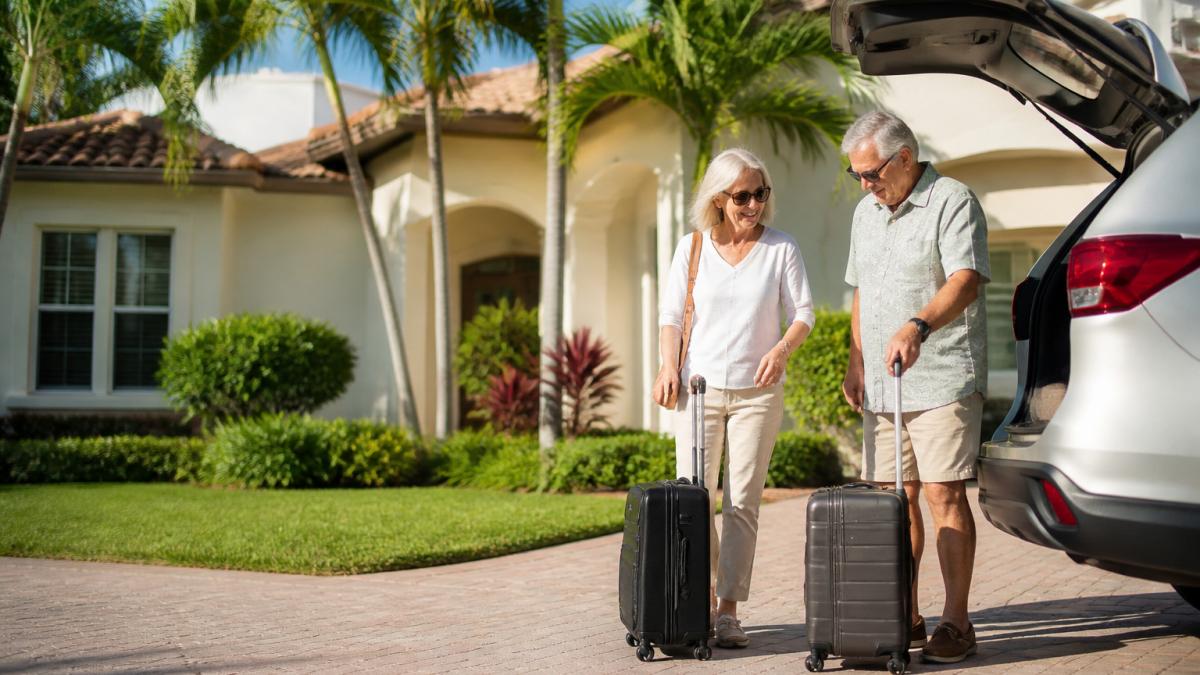
Snowbird home insurance for retired Florida residents sits in a category of its own. A home that sits empty for four to six months each year is a different risk than one occupied every day, and insurers price and underwrite it accordingly.
Most guides treat seasonal occupancy as a footnote. It's actually the whole story. Insurers care about occupancy status because an unoccupied home can't be monitored for leaks, break-ins, or storm damage in real time, and claims that go unnoticed for weeks cost far more to resolve.
How Insurers Classify Seasonal Occupancy
Insurers generally place a home into one of three buckets: primary residence, secondary residence, or vacant/unoccupied. The classification determines eligibility, premium, and which endorsements are available. A seasonal home used regularly by the same owner is typically treated as a secondary residence.
A common mistake is assuming a secondary residence and a vacant home are interchangeable. They aren't, and the difference can void a claim.
Florida Vacant Home Insurance: When Seasonal Absence Becomes a Coverage Problem
Florida vacant home insurance exists because standard policies often stop covering a home after a set number of consecutive days without occupancy.
For snowbirds, the risk window is predictable: the months you spend up north.
What most guides miss is that "vacant" and "unoccupied" aren't synonyms in insurance language.
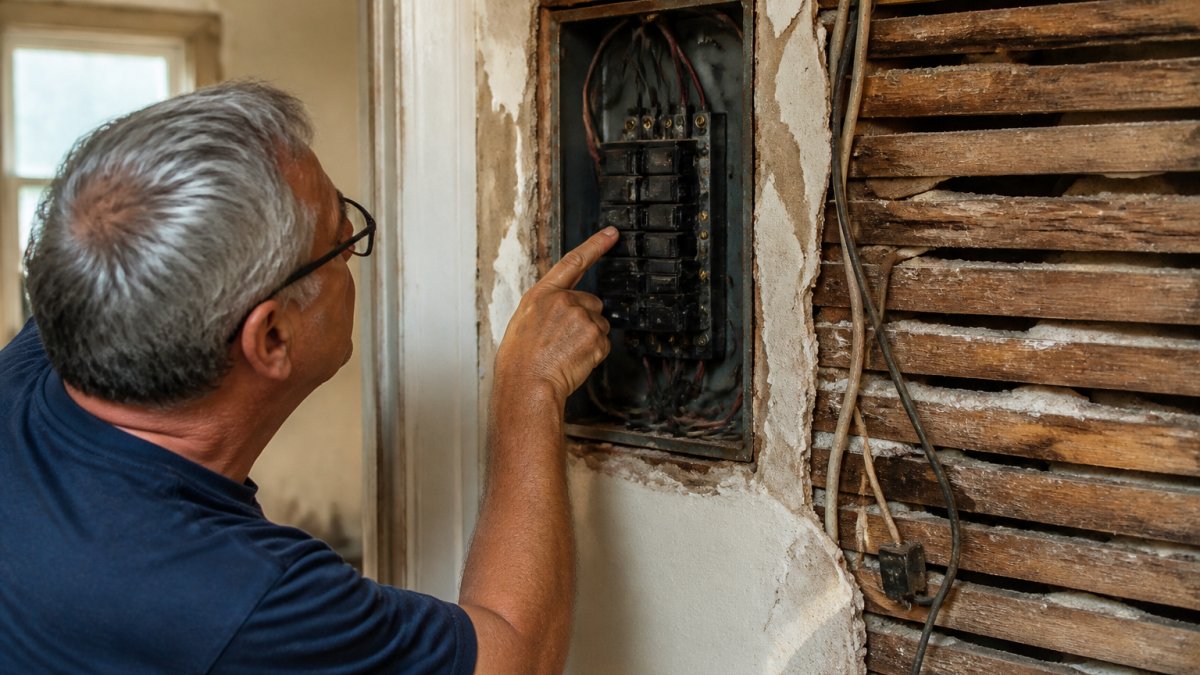
For owners of older Florida homes, this is where coverage gets harder.
Florida Hurricane Insurance for Seasonal Residents: Wind, Water, and Deductibles
Florida hurricane insurance for seasonal residents separates into two coverages that owners routinely confuse: windstorm coverage and flood insurance. A homeowners policy typically addresses wind, while flood damage, including storm surge and rising water, requires a separate flood insurance policy, often through the National Flood Insurance Program (NFIP) or a private carrier. This is the single most important distinction in the entire policy, because a hurricane can produce both types of loss in the same storm, and only one of them is covered by your homeowners policy.
How the Hurricane Deductible Actually Works
The deductible structure is where seasonal owners get caught off guard. Many policies carry a separate hurricane deductible expressed as a percentage of the dwelling limit rather than a flat dollar amount.
Here is the mechanism in plain terms. If your dwelling coverage limit is $400,000 and your hurricane deductible is 2%, your out-of-pocket responsibility before the policy pays a dollar is $8,000.
| Coverage Type | What It Typically Covers | Common Gap |
|---|---|---|
| Windstorm (homeowners) | Wind damage to roof, structure, exterior | Separate percentage hurricane deductible applies |
| Flood (separate policy) | Rising water, storm surge, flooding | Not included in a standard homeowners policy |
| Vacant home endorsement | Extends coverage during an extended absence | Must be added before you leave |
The Flood Waiting Period and Your Departure Date
Flood insurance through the NFIP generally carries a 30-day waiting period before coverage takes effect. Private flood carriers may have shorter or longer windows.
The practical rule: purchase or confirm flood coverage at least a month before your departure date, and confirm in writing that the policy is bound and in force. Do not assume a homeowners renewal automatically includes flood, it does not.
A Claim Scenario Worth Walking Through
Imagine a named storm pushes water into your home through a sliding door while wind tears shingles off the roof. Two losses, two policies. The wind damage falls under your homeowners policy and is subject to the hurricane deductible. The water intrusion is a flood loss and is handled under your separate flood policy, which has its own deductible. Owners who only carry a homeowners policy discover at claim time that the water portion is denied entirely.
Ask your agent for the dollar amount of your hurricane deductible, not the percentage. Knowing you owe $20,000 before coverage begins changes how you plan for a storm far more than knowing you have a "5% deductible." Reducing the financial impact of these deductibles often begins with structural hardening, which makes selecting the right hurricane zone roofing materials a critical step in long-term property protection.
Florida Vacation Home Insurance vs. Primary Residence Policies
Florida vacation home insurance and primary residence policies differ in ways that go beyond premium. A primary residence policy assumes someone is there.
The eligibility question is where snowbirds get tripped up. Some carriers will write a seasonal home only if the owner discloses the occupancy pattern accurately.
What most people don't realize is that a policy cancellation or nonrenewal for occupancy reasons follows the property, not just the owner.
Before you sign a seasonal home policy, ask your agent to read the occupancy conditions out loud. The visit frequency and inspection requirements are usually buried in the policy form, not the summary.
Home Checklist Before Leaving for the Season
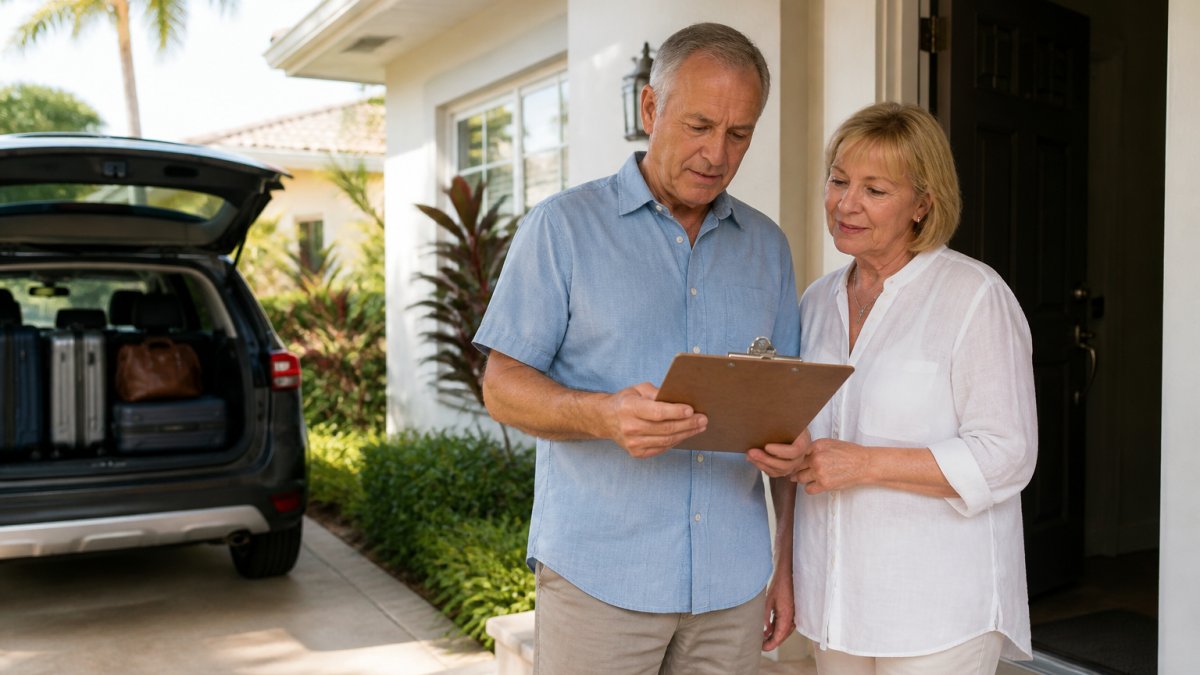
A written pre-departure routine prevents the two most common seasonal claims: undetected water damage and theft. Build the checklist once, then run it every year before you leave the state.
- Shut off the main water supply or install an automatic leak detection shutoff
- Set the thermostat to a level that prevents humidity buildup, not off entirely
- Confirm your security system and any water sensors are active and monitored
What to Document Before You Leave
Documentation is your defense if a claim is questioned. Keep dated photos of the home's condition, a copy of your current declarations page, and written confirmation of any property checks performed while you're away. If a claim arises, proof that the home was maintained and monitored supports coverage rather than undermining it.
Managing Premiums and Coverage Limits Without Creating Gaps
Raising a deductible lowers a premium, but on a seasonal home the trade-off deserves scrutiny. A higher hurricane deductible means a larger out-of-pocket cost at exactly the moment you are least able to inspect the damage in person. The goal is not the lowest premium, it is the lowest premium that still pays a claim you can actually file from out of state.
Mitigation Credits That Actually Move the Number
Florida insurers are required to offer discounts for wind mitigation features, and the credits are based on specific construction details, not general impressions. The features that typically earn credits include:
- A roof covering rated for high wind, or a roof-to-wall attachment using straps or clips rather than toe-nails
- A secondary water barrier under the roof covering
- Impact-rated windows, doors, and garage doors, or a documented shutter system
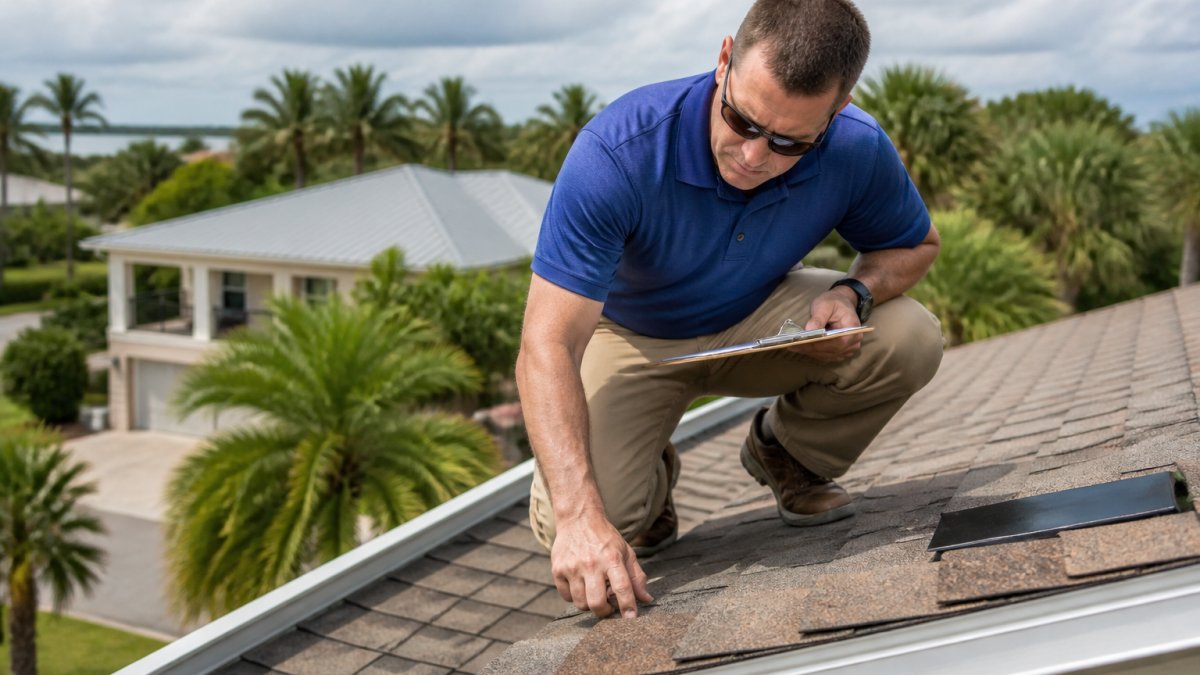
A wind mitigation inspection performed by a qualified inspector produces a report you submit to your carrier. The credits can be meaningful, but they depend on the home's actual construction, a home built to older codes may earn little. Ask for the inspection before assuming the discount applies.
Deductible Trade-Offs Specific to Seasonal Homes
A higher deductible only makes sense if you could pay it after a storm without draining the funds you need to repair the home. For a seasonal owner, there is an added wrinkle: you may not be on-site to document damage or manage a contractor, which can slow a claim and increase interim costs. A common pattern is that owners choose a deductible they could handle if they were home, then discover the logistics of managing a claim remotely make the higher figure harder to absorb.
Coverage Limits and Rebuilding Costs
Dwelling limits should reflect the cost to rebuild the home at current local construction prices, not the market value or the price you paid.
Personal property limits on a secondary or seasonal home are often lower than on a primary residence, and some categories, jewelry, electronics, or collectibles, may carry sub-limits. If the home holds furnishings you would need to replace, confirm the personal property limit is realistic.
Assistance and Shopping Options
If a standard carrier declines the home because of age or occupancy, the answer is often a surplus lines or specialty carrier, or a state-backed option of last resort. These policies frequently cost more and cover less, so they are a fallback, not a first choice. Working with an agency that holds appointments with multiple carriers lets you compare how each one treats seasonal occupancy rather than forcing the home into a single policy form.
The most reliable way to manage a seasonal home premium without creating a gap is to pair a wind mitigation inspection with a deductible you could genuinely pay, keep flood coverage in force year-round, and re-shop the policy before each renewal rather than after a nonrenewal notice arrives.
Conclusion: Protecting Your Florida Home Year-Round
The hardest part of insuring a seasonal home isn't finding a policy. It's keeping the coverage valid while you're hundreds of miles away. Occupancy disclosures, hurricane deductibles, and flood exclusions are the three places where snowbird coverage quietly fails, and all three are manageable with the right guidance.
Dehlinger Insurance has provided Florida residents with insurance for over 38 years, offering personalized home and auto coverage, access to multiple top carriers, and affordable payment plans built around your budget.
Frequently Asked Questions
Does Florida homeowners insurance cover a home when the owner is away for several months?
It depends on your policy's occupancy definition. Many Florida homeowners policies cover seasonal absences up to a set period, often 30 to 60 days, before the home is treated as unoccupied. Beyond that window, coverage may be reduced or denied for certain perils. Tell your insurer how long you plan to be away and ask whether your policy includes a seasonal occupancy provision or requires a vacancy endorsement.
How long can a Florida home be vacant before insurance coverage is affected?
Most Florida home insurance policies treat a home as unoccupied after 30 to 60 consecutive days and as vacant after a longer period, often 60 to 90 days. Vacancy typically triggers exclusions for vandalism, water damage, and sometimes theft. If you plan to be gone longer than your policy's threshold, ask your agent about a vacancy permit or a policy designed for seasonal homes.
What home insurance coverage should retired snowbirds consider in Florida?
Retired snowbirds should look for a policy that explicitly allows seasonal occupancy, includes hurricane and windstorm coverage with a clearly stated deductible, and offers flood insurance through the National Flood Insurance Program or a private carrier. Personal property coverage, loss of use, and liability limits matter too. A local agent can compare policy forms so you know exactly what is covered while you are away.
Do snowbirds need a separate policy for a Florida vacation home?
If the Florida property is not your primary residence, it usually needs its own policy. A standard homeowners policy written for a primary residence may not cover a seasonal or secondary home. Florida vacation home insurance is designed for properties occupied part of the year, and it can include extended vacancy provisions, hurricane deductibles, and rental exclusions if you rent the home out.
Does homeowners insurance cover hurricane damage while a snowbird is away?
Hurricane and windstorm damage is typically covered if your policy includes those perils, even when you are away. However, many Florida policies apply a separate percentage hurricane deductible, often 2 to 5 percent of the dwelling limit, and require that the home be maintained and secured. Flood damage from storm surge is not covered by standard homeowners insurance and requires a separate flood policy.
What should snowbirds do to protect a Florida home before leaving?
Shut off the main water supply, set the thermostat to a reasonable temperature, install or check a water leak detection device, secure windows and doors, and arrange for someone to check the property regularly. Document the home's condition with photos, forward mail, and notify your insurer if your absence will exceed the policy's occupancy limit. A written checklist before leaving for the season reduces the chance of a denied claim.
Should a snowbird tell their insurer when they leave Florida for the season?
Yes. Most Florida home insurance policies require you to disclose how long the home will be unoccupied. Failing to report an extended absence can lead to a denied claim or nonrenewal. A quick call to your agent before you leave lets you confirm your occupancy status, add any endorsements you need, and avoid costly surprises at claim time.