 ultimate-guide
Florida Hurricane Insurance Endorsements: A 2026 Guide
Table of Contents
- What Hurricane Insurance Endorsements Cover
- Florida Hurricane Deductible Explained
- Florida Windstorm Insurance: Protection Against Wind Damage
- Florida Flood Insurance for Homeowners
- Hurricane Insurance Exclusions and Coverage Gaps
- Specific Endorsements That Protect Your Home
- How to Choose the Right Endorsements for Your Home
- Step 1: Assess Your Home's Risk Exposure
- Step 2: Map Common Loss Scenarios to Endorsements
- Step 3: Evaluate Your Financial Capacity for Deductibles
- Step 4: Review Your Current Coverage Limits and Identify Gaps
- Step 5: Prioritize Endorsements by Risk and Cost
- Step 6: Review Your Coverage Annually and After Home Improvements
- Conclusion
- Frequently Asked Questions
Last Updated: October 10, 2026
What Hurricane Insurance Endorsements Cover
Hurricane insurance endorsements are add-ons to your standard homeowners policy that extend protection beyond what a basic policy provides.
Standard homeowners policies in Florida typically exclude or severely limit coverage for hurricane-related losses. Hurricane insurance endorsements allow you to customize your protection and avoid catastrophic out-of-pocket costs when a storm hits.
Florida Hurricane Deductible Explained
Your hurricane deductible is the amount you pay out of pocket before insurance coverage kicks in. In Florida, hurricane deductibles work differently than standard deductibles.
Percentage Deductibles vs. Flat Deductibles
Florida allows two types of hurricane deductibles: percentage-based and flat-dollar amounts. A percentage deductible is calculated as a percentage of your home's insured value.
Percentage deductibles can result in higher out-of-pocket costs for valuable properties, while flat deductibles provide predictability. Your choice affects both your premium and financial readiness for a claim.
How Deductibles Affect Your Out-of-Pocket Costs
With a $50,000 damage claim, a $5,000 deductible means you pay $5,000 and insurance covers $45,000; a $20,000 deductible means you pay $20,000 and insurance covers $30,000. Deductibles apply per claim, not annually. A single hurricane may trigger separate deductibles for wind and water damage, so you could face multiple deductibles from one storm.
Deductible Choices and Premium Impact
Moving to a lower deductible percentage might increase your annual premium. Conversely, moving to a higher deductible can lower your premium, but leaves you responsible for more out of pocket.
Your deductible strategy should reflect your monthly budget and emergency savings. If you have substantial liquid savings, a higher percentage deductible might be manageable.
Florida Regulatory Context
Florida law requires insurers to offer both percentage and flat deductible options. Some insurers offer "named storm" deductibles that apply only to hurricanes and tropical storms, separate from your all-other-perils deductible. Understanding your policy's specific deductible structure is essential to calculating your financial exposure.
Florida Windstorm Insurance: Protection Against Wind Damage
Windstorm insurance covers damage from wind, hail, and tornadoes. In Florida, many standard policies exclude or limit wind coverage, making windstorm endorsements essential. Wind damage is one of the most common and costly hurricane-related losses.
Florida Flood Insurance for Homeowners
Flood damage is NOT covered by standard homeowners policies or most windstorm endorsements. If your home is in a flood zone or at risk during hurricane season, you need separate flood insurance through the National Flood Insurance Program (NFIP) or a private flood insurer.
Why Flood Coverage Requires a Separate Policy
The National Flood Insurance Program operates independently from homeowners insurance. Flood insurance covers water damage from rising water, storm surge, heavy rainfall, and overflowing bodies of water. Without it, you're responsible for 100% of flood-related repair costs.
Flood insurance has a mandatory 30-day waiting period, so purchasing it after a hurricane warning won't help. If you have a mortgage in a high-risk flood zone, your lender will require proof of flood insurance (Estimating the Impact of Hurricanes Helene and Milton on Single-Family Mortgages).
Hurricane Insurance Exclusions and Coverage Gaps
Even with endorsements, certain losses remain excluded. Most policies exclude damage from poor maintenance, neglect, or faulty construction.
Coverage limits also create gaps. Your policy might have a $25,000 limit for roof damage but your roof costs $40,000 to replace. Extended dwelling limit endorsements address this by increasing your coverage limits.
Specific Endorsements That Protect Your Home
Several targeted endorsements can significantly enhance your protection. Each addresses a specific vulnerability or financial exposure that standard policies don't adequately cover.
Replacement Cost Endorsement
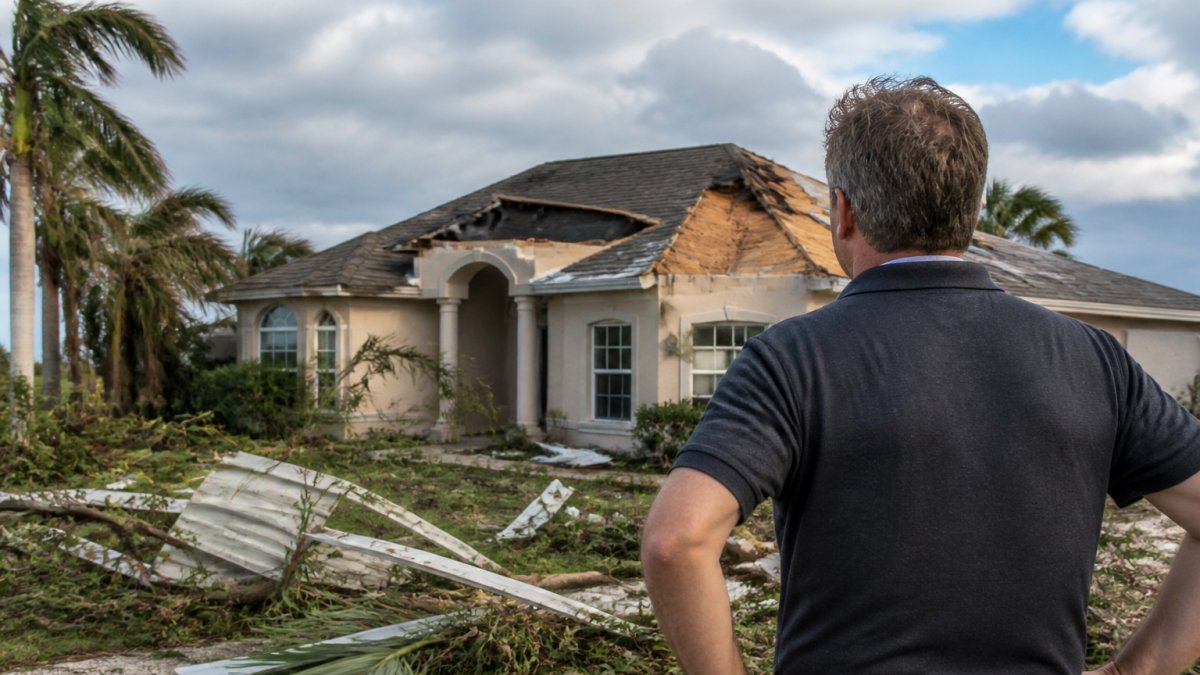
The replacement cost endorsement ensures your insurer pays the full cost to rebuild or repair your home, without deducting for depreciation. Without it, your insurer pays actual cash value (replacement cost minus depreciation).
This endorsement is particularly valuable for Florida homeowners because repair and rebuilding costs have risen significantly. It removes the financial penalty for owning an older home.
Extended Dwelling Limit Endorsement
Your standard policy covers your home up to its insured value, but reconstruction costs can exceed that amount.
This endorsement protects you if rebuilding costs spike due to labor shortages, material scarcity, or code upgrades. It's especially important in Florida, where demand for contractors and materials surges after major storms.
Additional Living Expenses Endorsement
If a hurricane makes your home uninhabitable, additional living expenses (ALE) coverage pays for temporary housing, meals, and other necessary costs during repairs. Standard policies typically cover ALE up to 20-30% of your dwelling coverage limit. An endorsement increases this percentage and covers pet boarding, storage, and transportation.
Debris Removal and Tree Removal Endorsements
Debris removal coverage pays for clearing fallen trees, branches, and storm debris. Standard policies often cap this at a low percentage of dwelling coverage. A debris removal endorsement removes or significantly increases this limit.
How to Choose the Right Endorsements for Your Home
Selecting the right endorsements depends on your home's characteristics, financial capacity, and risk tolerance. A systematic approach helps you avoid over-insuring while ensuring adequate protection.
Step 1: Assess Your Home's Risk Exposure
Evaluate your home's specific vulnerabilities. If your home is in a flood zone, flood insurance is non-negotiable. Older homes are more susceptible to wind damage and water intrusion.
Call Us and Get a Quote Today! →
Concrete block homes with impact-resistant windows have lower wind risk than older wood-frame homes. Metal roofs fare better in high winds than asphalt shingles.
Step 2: Map Common Loss Scenarios to Endorsements
Scenario: Wind damage to roof and siding ($35,000 loss)
- Without replacement cost endorsement: Insurer pays actual cash value (e.g., $22,000 after depreciation). You pay $13,000 out of pocket.
- With replacement cost endorsement: Insurer pays full $35,000 (minus your deductible). You pay only your deductible.
Scenario: Home uninhabitable for 6 months during repairs
- Without adequate ALE coverage: Standard ALE covers a percentage of your dwelling limit. Six months of temporary housing, meals, and storage might incur significant costs.
- With ALE endorsement increasing coverage to 50% of dwelling limit: Coverage extends to $200,000. You have substantial protection for extended displacement.
Scenario: Reconstruction costs exceed your coverage limit
- Without extended dwelling limit endorsement: Your policy covers your home up to its insured value. If rebuilding costs exceed that amount due to labor and material inflation post-hurricane, you would pay the difference out of pocket.
- With 25% extended dwelling limit endorsement: Coverage extends to $500,000. You're protected for the full reconstruction cost.
Step 3: Evaluate Your Financial Capacity for Deductibles
Your deductible choice reflects your ability to pay out of pocket if a claim occurs. If you have substantial savings and can cover a $20,000 deductible, a higher percentage deductible might lower your premiums meaningfully.
Remember that deductibles apply per claim, not annually. A hurricane that causes multiple types of damage might trigger separate deductibles for wind, water, and other perils. Plan your deductible strategy with this in mind.
Step 4: Review Your Current Coverage Limits and Identify Gaps
Examine your policy's coverage limits for your dwelling, personal property, and liability. If your home's reconstruction cost exceeds your coverage limit, an extended dwelling limit endorsement is essential. If your personal property coverage is inadequate for your belongings, increasing those limits or adding an endorsement protects your financial security.
Common coverage gaps include:
- Roof coverage limits: Many policies cap roof replacement at your dwelling limit or a percentage thereof. If your roof is older, replacement cost can exceed this cap. A roof replacement endorsement or extended dwelling limit addresses this.
- Detached structure limits: Garages, sheds, and pool houses are often covered at 10-15% of your dwelling limit. If you have a detached garage, standard coverage may only protect a portion of that structure's value.
- Water backup and sewer overflow: Standard policies often cap water backup and sewer overflow coverage. In a heavy rainfall event, water backing up into your basement could cause significant damage. A water backup endorsement increases this limit.
Step 5: Prioritize Endorsements by Risk and Cost
Not all endorsements are equally important for every home. Prioritize based on your specific exposure:
High Priority (most homes should consider):
- Replacement cost endorsement (protects against depreciation penalty)
- Extended dwelling limit endorsement (protects against inflation in reconstruction costs)
- Debris removal endorsement (addresses a common, high-cost loss)
Medium Priority (depends on your home and location):
- Additional living expenses endorsement (essential if you have limited alternative housing options)
- Water backup endorsement (important if your home is in a low-lying area or has a basement)
- Windstorm coverage (critical if your home has older roof or windows)
Lower Priority (evaluate based on your specific situation):
- Tree removal endorsement (important if you have large trees near your home)
- Scheduled personal property endorsement (protects high-value items like jewelry or art)
Step 6: Review Your Coverage Annually and After Home Improvements
Dehlinger Insurance recommends reviewing your coverage annually and after any home improvements. Adding a deck, renovating a kitchen, or upgrading your roof increases your home's value and may require higher coverage limits.
If you've made improvements that increase your home's reconstruction cost, such as upgrading to impact-resistant windows, installing a metal roof, or adding square footage, inform your insurer.
Conclusion
Hurricane insurance endorsements are not optional extras, they're essential tools for protecting your home and finances in Florida. The right combination of endorsements fills critical gaps in standard coverage and ensures you can recover financially after a hurricane. Dehlinger Insurance has over 38 years of experience helping Florida homeowners select endorsements that match their specific risks and financial needs.
Frequently Asked Questions
What is the difference between a hurricane deductible and a standard homeowners deductible?
A standard homeowners deductible applies to most covered losses like theft or fire. A hurricane deductible is separate and applies only to wind and hurricane damage. In Florida, hurricane deductibles are typically higher, often 2% to 5% of your home's insured value, and are triggered when the National Weather Service declares a hurricane within a set distance of your property.
Can a hurricane endorsement cover flood damage?
No. Hurricane insurance endorsements cover wind damage, but not flood damage. Flood damage requires a separate flood insurance policy, typically through the National Flood Insurance Program or a private insurer. Even if you add every available endorsement to your homeowners policy, it will not cover flooding, so Florida homeowners in flood-prone areas need both policies.
What are common exclusions in Florida homeowners insurance?
Standard homeowners policies exclude flood damage, earthquake damage, and wear-and-tear. Many also exclude damage from poor maintenance, mold, and certain high-risk activities. Hurricane endorsements expand wind coverage but do not remove these exclusions. Reviewing your policy's exclusions with an agent helps you understand what gaps endorsements can and cannot fill.
How can I tell whether my homeowners policy includes windstorm coverage?
Check your Declarations page, the first page of your policy that lists what is covered. Look for 'windstorm' or 'hurricane' as a covered peril. If your policy was issued before you added an endorsement, windstorm may not be included. Contact your agent or insurer to confirm; many Florida homeowners discover they lack windstorm coverage only after a claim, so verification upfront is critical.
Can adding an endorsement lower my out-of-pocket costs after a hurricane?
Yes, but indirectly. Endorsements like Replacement Cost increase your coverage limits, which can reduce the gap between damage and what you receive. However, they do not lower your deductible. To reduce out-of-pocket costs after a claim, you can choose a lower deductible percentage when you buy or renew your policy, though this raises your premium. The trade-off between premium and deductible is key to managing costs.
Is hurricane insurance mandatory in Florida?
Hurricane insurance itself is not mandated, but homeowners insurance is required by mortgage lenders. However, many standard policies exclude or limit windstorm coverage. If your lender requires windstorm coverage and your insurer excludes it, you may be required to add a windstorm endorsement or purchase separate windstorm coverage to meet the loan's insurance requirements.
What does a hurricane endorsement cover?
A hurricane endorsement (or windstorm endorsement) covers damage from wind associated with hurricanes, tropical storms, and other windstorms. It typically covers damage to the roof, walls, windows, and structural elements caused by wind. However, it does not cover flooding, water intrusion from broken windows, or damage from debris. The exact coverage depends on your policy and endorsement type.
How much does a hurricane insurance endorsement cost?
Endorsement costs vary widely based on your home's location, age, construction type, and the specific endorsement. For a personalized quote reflecting your property's risk profile and coverage needs, contact Dehlinger Insurance. Our team can help you understand how different endorsements affect your premium and find the right balance between protection and affordability.