 how-to
Specialty Insurance Needs for Florida Property Owners
Table of Contents
- Why Standard Homeowners Insurance Falls Short for Florida Properties
- High-Value Home Insurance: Protecting Luxury Properties
- Valuable Items Insurance: Covering Collectibles and Scheduled Valuables
- Flood Insurance for Homeowners: NFIP Limits and Private Options
- Specialty Dwelling Insurance for Nonstandard and Older Homes
- A Property-by-Property Decision Guide for Specialty Insurance
- Conclusion: Getting the Right Specialty Insurance for Your Florida Property
- Frequently Asked Questions
Last Updated: October 14, 2026
Why Standard Homeowners Insurance Falls Short for Florida Properties
Specialty insurance is coverage built for homes and belongings a standard policy cannot properly protect. For many Florida property owners, a standard HO-3 policy leaves real gaps: windstorm deductibles, roof age rules, flood exclusions, and value caps on expensive items. At Dehlinger Insurance, we have spent over 38 years helping Florida residents.
Three forces drive most of the problem:
- Windstorm risk. Insurers treat hurricane exposure differently from other perils, often with separate deductibles.
- Roof age. Older roofs frequently fail underwriting review or get paid at actual cash value.
- Flood. Standard policies exclude flood damage entirely, so you need a separate policy.
Below, we break down each gap and show you how to match coverage to your property.
Common Coverage Gaps in the Standard Market
The standard market works for newer homes in low-risk zones, but struggles everywhere else. Common gaps:
- Flood damage, which is excluded from nearly every homeowners policy
- Windstorm and hurricane deductibles, which are separate and often percentage-based
- Roof coverage paid at actual cash value instead of replacement cost
The National Flood Insurance Program exists precisely because private standard policies do not cover flooding.
When You Need to Look Beyond HO-3 Policies
An HO-3 policy is the most common homeowners form in the country, covering the dwelling on an open-peril basis and personal property on a named-peril basis. That works until your home or belongings fall outside the standard underwriting box.
Consider specialty coverage when:
- Your home value exceeds standard carrier limits
- Your roof is older or has been replaced with a non-standard material
- You own a rental, vacant, or seasonal property
High-Value Home Insurance: Protecting Luxury Properties
High-value home insurance is a specialty policy for homes that exceed standard carrier limits, typically those with replacement costs in the upper six figures and above.
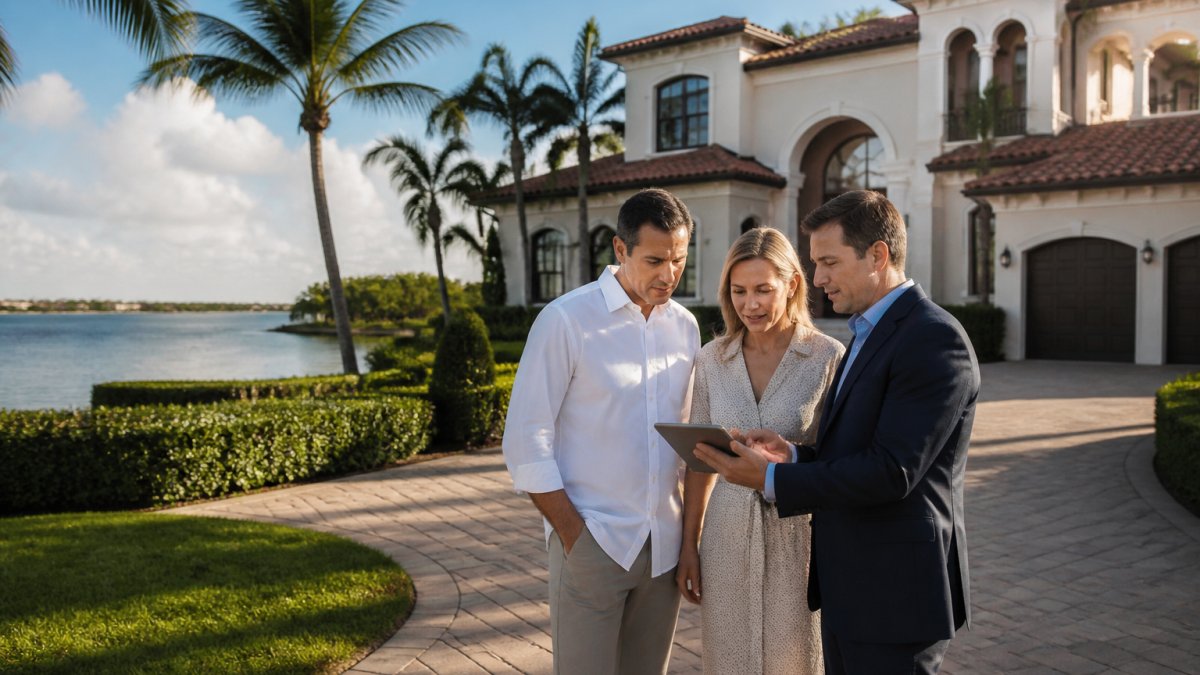
What separates a high-value policy from a standard one:
- Higher dwelling limits that reflect true rebuild cost, not market value
- Extended replacement cost to cover spikes in construction costs after a major storm
- Higher contents sub-limits for furniture, electronics, and fixtures
Luxury properties also carry risks standard policies handle poorly: guest houses, pools, docks, wine cellars, and custom millwork.
If your home is worth more than a standard carrier will write, a standard policy is not a cheaper version of the right coverage.
Valuable Items Insurance: Covering Collectibles and Scheduled Valuables
Valuable items insurance is a specialty add-on or standalone policy covering high-value personal property a standard homeowners policy caps or excludes.
Scheduling an item means listing it individually with an agreed value. That removes the deductible in many cases and pays a set amount if the item is lost, stolen, or damaged.
Items worth scheduling:
- Jewelry and watches above the standard sub-limit
- Fine art, sculptures, and antiques
- Musical instruments and recording equipment
Two ways to cover them:
| Approach | How It Works | Best For |
|---|---|---|
| Scheduled endorsement | Item listed with agreed value | Specific high-value pieces |
| Blanket coverage | One limit across a category | Collections with changing items |
A blanket policy suits a dealer or collector who buys and sells; a scheduled endorsement suits a fixed set of heirlooms.
Flood Insurance for Homeowners: NFIP Limits and Private Options
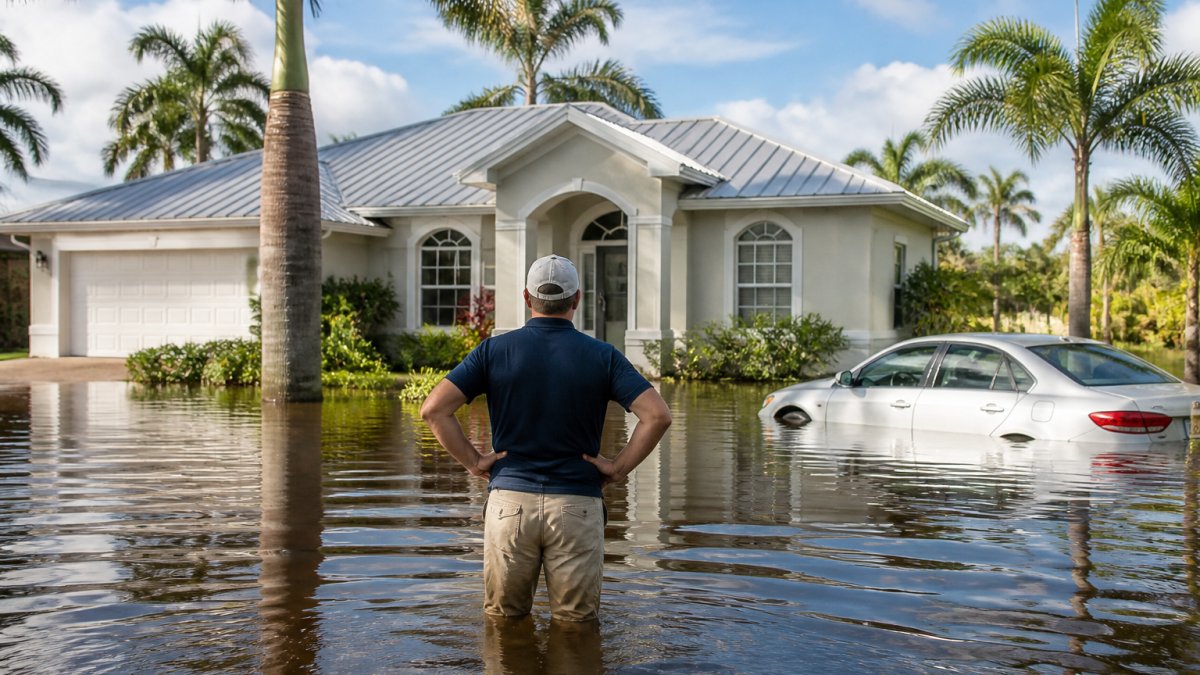
Flood insurance for homeowners is a separate policy that pays for water damage from rising water, storm surge, and heavy rain, none of which a standard homeowners policy covers.
The NFIP writes coverage up to statutory limits set by Congress that have not kept pace with rebuild costs in many parts of the state. The commonly cited maximums are $250,000 for the dwelling and $100,000 for contents.
How NFIP and Private Flood Policies Coordinate
When you stack coverage, the two policies do not simply add together. Each responds under its own terms:
- NFIP as primary, private as excess. The NFIP pays its covered loss up to its limit, then the private excess policy responds above that. The excess carrier typically requires proof of the underlying NFIP payment before it releases funds.
- Private as primary. Some private carriers write a single policy with higher limits and replacement cost on contents, which avoids the coordination problem entirely. Not every property qualifies.
- Gaps in the middle. If the NFIP denies a portion of the claim, for example, a basement improvement or an outdoor item, the excess policy may not pick it up either, because it follows the underlying form.
A common pattern: a homeowner assumes two policies mean double coverage, then discovers the excess carrier only pays what the primary would have covered. Read both forms before you bind.
What Drives Your Flood Premium
Flood pricing reflects several property-specific factors:
Call Us and Get a Quote Today! →
- Flood zone. Zones mapped as higher risk carry higher rates. Properties outside high-risk zones can still flood and are still eligible for coverage.
- Elevation certificate. An elevation certificate documents your home's lowest floor elevation relative to the base flood elevation. It can lower a premium substantially if it shows the home sits higher than the zone's default assumption. If you do not have one, a surveyor can prepare it.
- Building age and construction. Older homes and certain foundation types price differently.
Waiting Periods and Timing
NFIP policies typically carry a 30-day waiting period before coverage takes effect. A private policy may have a shorter window, but not always, and some private carriers impose their own waiting period during active storm activity. If you are buying near closing, start early enough that the waiting period clears.
What Flood Policies Commonly Exclude
Even a flood policy has limits. Common exclusions include:
- Water that did not come from flooding. A burst pipe, a backed-up drain, or a roof leak is generally not a flood loss. Those may fall under your homeowners policy or require a separate water backup endorsement.
- Basement contents and improvements. NFIP coverage for basements is limited. Private policies vary.
- Outdoor property. Decks, fences, pools, and landscaping are typically not covered.
Check current NFIP limits and waiting periods directly with the FEMA flood insurance page before you assume your existing policy is enough. Waiting periods apply, so timing matters when you are closing on a home.
Specialty Dwelling Insurance for Nonstandard and Older Homes
Specialty dwelling insurance covers homes standard carriers will not write, or will only write at a price that does not make sense: older homes, homes with prior claims, vacant or seasonal properties, and homes with non-standard construction. The nonstandard market exists for these situations, weighing condition, updates, and mitigation rather than applying a blanket rule.
What Actually Triggers a Decline or a Nonrenewal
Standard carriers apply underwriting rules a specialty carrier will look past. The triggers that most often push a home into the nonstandard market:
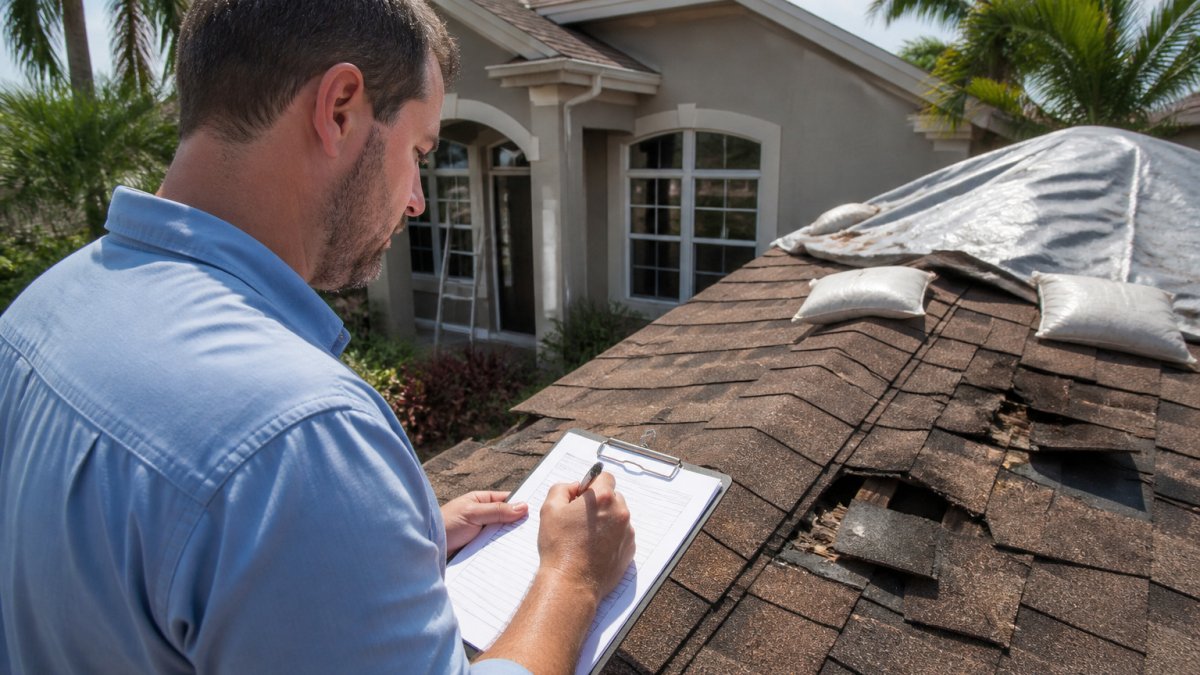
- Roof age. Many standard carriers will not write a roof past a certain age, commonly in the 15-to-20-year range, and some will not write a roof that has been repaired rather than replaced. A specialty carrier may accept an older roof if an inspection shows remaining useful life.
- Wiring type. Aluminum branch wiring, knob-and-tube, and older fuse panels are common decline triggers. A documented update to copper wiring and a modern panel can move the home back into the standard market.
- Plumbing. Polybutylene supply lines and galvanized steel pipes are frequent concerns. A repipe with documentation resolves most of them.
Documentation That Speeds Up Underwriting
Underwriting here is property-specific, and the file you produce often determines whether you get a competitive quote or a decline. Gather these before you shop:
- A four-point inspection. This covers roof, electrical, plumbing, and HVAC. Many carriers require it on older homes.
- A wind mitigation inspection. This documents features that reduce wind damage, roof covering, roof-to-wall attachment, roof deck attachment, secondary water resistance, and opening protection. The findings can translate into premium credits.
- Proof of updates. Permits, invoices, and photos for a new roof, repipe, or panel replacement.
A complete file shortens the time to a quote and gives the underwriter a reason to price the risk rather than decline it.
How Mitigation Features Affect Eligibility and Pricing
Wind mitigation is not just a discount program. On older and coastal homes, it can be the difference between an offer and a decline. Features underwriters weigh most:
- Roof covering and age. A newer roof with a documented installation date is the single most common factor in both eligibility and pricing.
- Roof-to-wall attachment. A secondary water barrier and a properly attached roof deck reduce the chance of wind-driven rain intrusion.
- Opening protection. Impact-rated windows, shutters, or a documented shutter system reduce wind and debris damage.
What specialty dwelling policies often cover:
- Homes built before modern codes with older wiring or plumbing
- Roofs that fail a standard age test
- Vacant, seasonal, or rental properties
A home one carrier declines may be perfectly acceptable to another, which is why working with an agency that has relationships across multiple carriers matters. Dehlinger Insurance works with top-tier carriers to place these risks.
A Property-by-Property Decision Guide for Specialty Insurance
Specialty insurance needs vary by property type, not zip code. Use the table below as a starting point, then confirm details with a licensed agent before you bind coverage.
| Property Type | Key Risk | Coverage to Consider |
|---|---|---|
| Luxury home | Value above standard limits | High-value home policy with extended replacement cost |
| Older home (pre-2000) | Roof age, old systems | Specialty dwelling with replacement cost on roof |
| Coastal home | Wind and flood | Separate windstorm deductible plus flood policy |
| Rental property | Tenant risk, loss of rents | Landlord policy with loss of rents |
| Vacant or seasonal | No occupancy | Vacant home or seasonal dwelling policy |
| Condo unit | Shared walls, HOA master policy | HO-6 condo policy plus loss assessment |
| Home with valuables | Sub-limits too low | Scheduled valuables endorsement |
Matching Coverage to Your Property Type and Risk Profile
Walk through these steps before you buy:
- Confirm the rebuild cost of your home, not its market value.
- Check whether your roof is insured at replacement cost or actual cash value.
- Ask what your windstorm deductible is and how it is calculated.
- Request a separate flood quote, even if you are not in a high-risk zone.
- List every item worth more than your contents sub-limit.
- Ask how the policy handles a total loss versus a partial loss.
- Review exclusions in writing before you sign.
What most guides miss: the deductible structure matters as much as the premium. A low premium with a percentage-based wind deductible can cost far more after a storm than a slightly higher premium with a flat deductible. Run both numbers before you decide.
Conclusion: Getting the Right Specialty Insurance for Your Florida Property
The hard part is not finding a policy, but finding the right one for your property, roof, and belongings. A standard policy that fits your neighbor's newer home may leave you exposed on a 1990s build, a coastal property, or a home full of scheduled valuables.
At Dehlinger Insurance, we have served Florida residents for over 38 years. We work with multiple top-tier carriers, offer specialized coverage for older homes, and provide affordable payment plans.
Call us and get a quote today.
Frequently Asked Questions
What specialty insurance might a property owner need beyond homeowners insurance?
Beyond a standard HO-3 policy, you may need flood insurance, windstorm coverage, valuable items insurance for jewelry or collectibles, and specialty dwelling insurance for older or nonstandard homes. High-value properties often require a specialty homeowners policy with higher dwelling coverage limits and replacement cost terms. A local agent can review your property details and recommend which additional coverages fit your situation.
Does homeowners insurance cover collectibles and other high-value belongings?
Standard homeowners policies typically cap coverage for collectibles like jewelry, art, and antiques at a few thousand dollars. To fully protect valuable items, you need scheduled valuables coverage or a separate valuable items insurance policy. This provides higher limits and broader covered perils, such as theft or accidental damage. An agent can help you document and schedule each item to avoid gaps at claim time.
When might a property owner need a separate flood insurance policy?
You need separate flood insurance for homeowners because standard policies exclude flood damage. If your property is in a high-risk flood zone, your mortgage lender may require it. Even in moderate-risk areas, flooding from storms or drainage issues can cause costly damage. The National Flood Insurance Program offers primary flood insurance up to certain limits, and private carriers can provide additional coverage for higher-value homes.
How can property owners insure a high-value or unusual home?
High-value and unusual homes often need specialty homeowners policies or specialty dwelling insurance. These policies offer higher dwelling coverage limits, replacement cost on roofs, and broader covered perils. An independent agent with access to multiple carriers can match your property with the right nonstandard market options. Provide details like roof age, construction type, and any unique features to get accurate quotes.