 ultimate-guide
Finding Affordable Florida Auto Insurance in 2026
Table of Contents
- Why Florida Auto Insurance Costs More Than Other States
- Minimum Auto Insurance Requirements in Florida
- What Actually Moves Your Premium Up or Down
- How to Bundle Home and Auto Insurance for Real Savings
- How to Get an Auto Insurance Quote in Florida for 2026
- Discounts Florida Drivers Often Miss
- When Full Coverage Makes Sense vs. Liability Only
- Conclusion: Getting a Rate You Can Live With
- Frequently Asked Questions
Last Updated: September 6, 2026
Why Florida Auto Insurance Costs More Than Other States
Finding affordable Florida auto insurance starts with understanding why rates here run higher than the national average. Florida is a no-fault state, which means every driver must carry Personal Injury Protection regardless of who causes an accident. That mandate, combined with dense urban traffic, frequent severe weather, and a high rate of uninsured motorists, pushes premium rates upward across the board.
The state's auto insurance laws also require insurers to account for substantial risk from hurricanes and flooding, which affects claims frequency. According to the Florida Office of Insurance Regulation overview, these regulatory factors create a unique pricing environment that differs sharply from most other states.
At Dehlinger Insurance, we've spent over 38 years helping Florida residents navigate this landscape. The good news is that higher baseline costs don't mean you're stuck overpaying. Strategic choices about coverage levels, policy discounts, and when you shop can meaningfully reduce your monthly payment.
Minimum Auto Insurance Requirements in Florida
Florida law sets specific minimum requirements that every driver must meet before registering a vehicle. The state-mandated coverage includes $10,000 in Personal Injury Protection and $10,000 in property damage liability. These are the lowest limits allowed, and they define the legal floor rather than a sensible target for most drivers.
Understanding these minimum requirements matters because they shape your quote comparison. Many drivers assume the cheapest policy is the best value, but state minimums leave you exposed to significant coverage gaps. A single at-fault accident involving another vehicle can easily exceed $10,000 in property damage, leaving you personally responsible for the difference.
The Florida Highway Safety and Motor Vehicles insurance page clarifies that drivers must carry proof of insurance at all times and face penalties for lapses in coverage. Meeting the legal requirement is necessary, but pairing those minimums with additional liability coverage is a cost-benefit analysis most financial advisors recommend.
Personal Injury Protection (PIP) Explained
Personal Injury Protection, commonly called PIP, is the cornerstone of Florida's no-fault system. PIP covers your medical expenses and a portion of lost wages after an accident, regardless of who caused the collision. This coverage pays up to your policy limit for you and your passengers, which is why it's mandatory.
The no-fault designation means your own insurer handles your medical claims first, reducing the need for lawsuits over minor injuries. However, PIP has limits, and serious accidents often exceed the $10,000 minimum. Drivers who rely solely on state minimums can face substantial out-of-pocket medical costs, making higher PIP limits a worthwhile consideration when comparing florida auto insurance options.
What Actually Moves Your Premium Up or Down
Insurance companies evaluate dozens of underwriting factors when setting your rate, and understanding them gives you control over what you pay. Your driving record carries the most weight, with accidents and moving violations typically raising premium rates for three to five years. A clean history is the single most reliable way to keep costs down.
Your credit score also plays a significant role in Florida rate calculations. Insurers use credit-based insurance scores as a risk assessment tool, and research on credit-based insurance scoring shows a strong statistical correlation between credit history and claims frequency. Improving your credit score can translate directly into lower premiums.
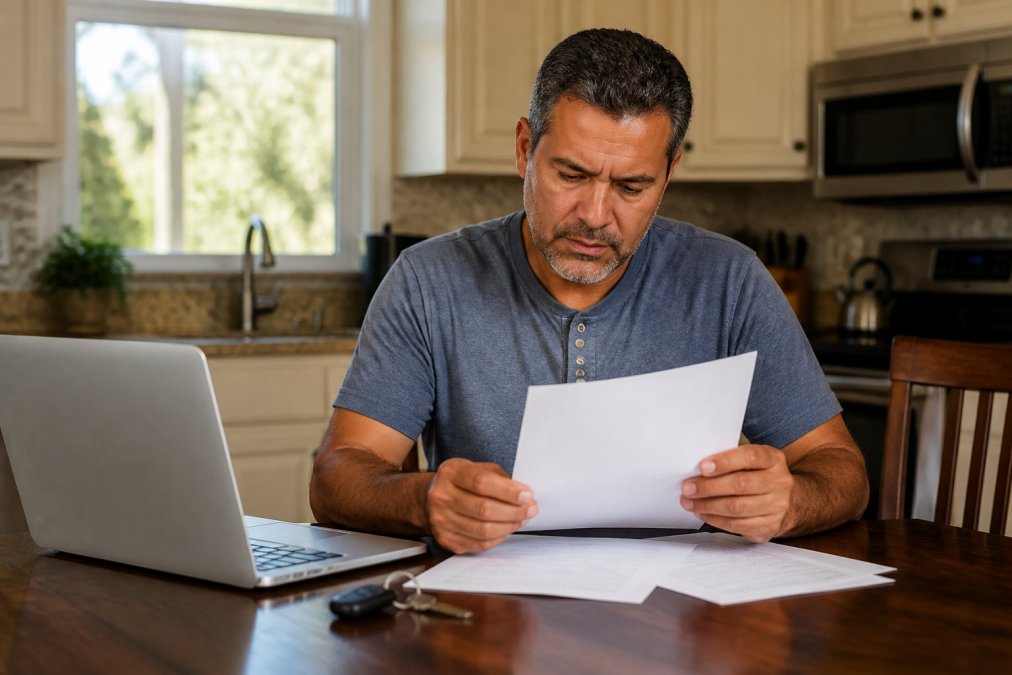
Beyond personal history, your vehicle type, annual mileage, and even your ZIP code influence your driver profile. Sports cars and luxury vehicles cost more to insure because repairs are expensive. Commuters who drive 20,000 miles per year face more risk exposure than someone driving 5,000. Your age, marital status, and claims history round out the picture insurers use for risk assessment.
How to Bundle Home and Auto Insurance for Real Savings
Bundling your home and auto insurance with the same carrier is one of the most straightforward ways to reduce your total insurance spending. Insurers reward loyalty and consolidated risk with policy discounts that typically range from 5 to 15 percent on each policy. For Florida homeowners already paying significant property insurance premiums, those savings add up quickly.
The mechanics are simple: when you hold multiple policies with one insurer, they discount both. This approach also simplifies the claims process since a single agent handles all your coverage. If a hurricane damages your roof and your car in the same event, one phone call resolves both claims rather than coordinating between two companies.
Dehlinger Insurance specializes in helping Florida families structure bundled policies that fit their financial requirements. Our relationships with multiple top carriers mean we can compare how to bundle home and auto insurance effectively, finding the combination that delivers protection for your specific situation.
How to Get an Auto Insurance Quote in Florida for 2026
Getting an accurate quote requires gathering the right information before you start comparing options. You'll need your driver's license number, vehicle identification number, current mileage, and details about your driving history for the past five years. Having these ready speeds up the process and ensures the quotes you receive reflect your actual driver profile. windshield replacement requirements.
Call Us and Get a Quote Today! →
Start by listing every discount you might qualify for, from defensive driving courses to low-mileage programs. Then request quotes from multiple carriers using identical coverage levels so you're comparing equivalent protection rather than apples to oranges. The Florida Department of Financial Services consumer resources offers guidance on comparing policies and understanding what each quote includes.
A common mistake is quoting the cheapest liability-only policy and assuming that's your best option. Instead, decide on your target coverage limits first, then shop for the best rate at that level of protection. This approach prevents coverage gaps and gives you a true picture of what adequate florida auto insurance costs.
Discounts Florida Drivers Often Miss
Most insurers advertise their headline discounts, but several savings opportunities go unnoticed by the average policyholder. Multi-car discounts apply when you insure two or more vehicles on one policy, often saving 10 to 20 percent per vehicle. If you have a second car that sits in the garage most of the year, ask about low-mileage or occasional-use discounts.
Defensive driving course completion typically earns a discount that lasts for three years. Many Florida drivers also overlook professional affiliation discounts through employers, alumni associations, or professional organizations. Paying your annual premium in full rather than monthly installments frequently reduces the total cost by avoiding installment fees.
The policy discounts that matter most depend on your situation, so ask your agent to review your file for every applicable saving. An independent agent can identify opportunities you might miss when comparing quotes on your own, particularly discounts tied to specific carriers they represent.
When Full Coverage Makes Sense vs. Liability Only
The decision between liability-only and full coverage hinges on your vehicle's value and your financial situation. Liability-only insurance covers damage you cause to others but does nothing for your own vehicle. If your car is worth less than roughly $3,000 to $4,000, comprehensive and collision coverage may cost more than the car is worth over a few years.
Full coverage adds comprehensive and collision protection, covering damage to your vehicle from accidents, theft, weather, and vandalism. For newer vehicles or those with outstanding loans, full coverage is typically required by lenders. Dropping it on a financed car violates your loan agreement and leaves you exposed if the vehicle is totaled.
A practical rule: if you could absorb the loss of your vehicle without financial hardship, liability-only may be reasonable. If replacing your car would strain your budget, the higher premium for full coverage is a form of financial protection worth the cost. Your deductible also affects this calculation, since a higher deductible lowers your premium but increases your out-of-pocket exposure at claim time.
Conclusion: Getting a Rate You Can Live With
Finding affordable Florida auto insurance requires more than picking the cheapest quote you can find online. It demands understanding the state's minimum requirements, knowing which underwriting factors affect your rate, and structuring your coverage to avoid gaps that could cost you far more later. The trade-off between premium rates and deductible is a personal decision based on your financial situation.
That's where working with an experienced local agency can help. Dehlinger Insurance has served Florida residents for over 38 years, pairing you with a dedicated agent who compares options across multiple top carriers to find coverage that fits your budget. We offer affordable payment plans for auto insurance premiums and personalized care.
Call us and get a quote today. Let our team handle the comparison shopping so you can drive with confidence, knowing your coverage protects what matters most.
Frequently Asked Questions
What is the cheapest car insurance in Florida?
The cheapest car insurance in Florida depends on your driver profile, vehicle, and coverage choices. Liability-only policies cost less than full coverage, but they leave you exposed if you cause an accident. Rates also vary by insurer, so comparing quotes from multiple carriers is the only way to find the lowest price for your situation. An independent agent can do that comparison work for you.
What factors influence my auto insurance premiums in Florida?
Florida insurers weigh your driving record, age, credit history, and the type of vehicle you drive. Your ZIP code matters too, since areas with more claims see higher rates. Coverage limits and your deductible choice directly change your premium as well. Knowing these factors helps you target the ones you can control, like improving your credit score or choosing a higher deductible.
Is it better to bundle home and auto insurance?
Yes, bundling home and auto insurance usually lowers your total cost. Most carriers offer a multi-policy discount that reduces both your home and auto premiums. Bundling also simplifies your coverage by putting both policies with one company and one agent. Ask your agent to run the numbers both ways so you can see the actual savings before you commit.
How can I lower my Florida auto insurance rates?
Start by comparing quotes from several insurers, since rates vary widely for the same driver. Raise your deductible if you can afford the out-of-pocket cost after a claim. Ask about discounts for safe driving, low mileage, and paid-in-full policies. If you own a home, ask about bundling your auto and home insurance, which often produces the largest single discount available.