 How-to
How to Insure Florida Beachfront Property Against Hurricanes
Last Updated: November 8, 2026
Quick Summary
Insuring Florida beachfront property against hurricanes usually requires two separate policies: a homeowners or dwelling policy for windstorm damage and a separate flood policy for rising water and storm surge. Coastal homes often carry percentage-based named-storm deductibles, so confirm both deductibles and both coverage limits in writing before closing.
- Pull the flood zone and elevation certificate, then get a wind mitigation inspection before requesting quotes.
- Windstorm coverage pays for wind and debris damage, while flood coverage pays for rising water and storm surge.
- A named-storm deductible is often a percentage of dwelling coverage, so a higher limit means higher out-of-pocket cost.
- Impact-resistant windows, storm shutters, roof-to-wall straps, and a newer roof may lower premiums.
- Docks, pools, and seawalls are often sublimited or excluded and may need to be scheduled or endorsed.
Table of Contents
- Why Insuring Florida Beachfront Property Against Hurricanes Is Different
- Step-by-Step: How to Insure a Beachfront Home
- Windstorm Insurance vs Flood Insurance: What Each Policy Pays For
- Understanding Named-Storm and Percentage Deductibles
- Lowering Florida Insurance Premiums With Wind Mitigation and Protective Upgrades
- How Elevation, Flood Zones, and Roof Condition Affect Underwriting
- Comparing Policy Exclusions and Coverage Layers Before You Sign
- Documenting Your Home and Filing a Post-Storm Claim
- Frequently Asked Questions
Why Insuring Florida Beachfront Property Against Hurricanes Is Different
Insuring Florida beachfront property against hurricanes works nothing like covering an inland home. Two separate policies usually carry the risk, and each one has its own deductibles, exclusions, and underwriting rules. At Dehlinger Insurance, we help coastal owners sort out that split.
The core problem is simple. A standard Florida homeowners policy covers wind. It does not cover rising water. On the coast, both threats arrive in the same storm.
Coastal Exposure and Windstorm Coverage
Coastal exposure is the added risk an insurer assigns to a home near open water. Wind speeds run higher at the shoreline, and there is less to slow a storm before it hits. That drives up premiums and narrows which carriers will even quote a waterfront home.
Windstorm coverage is the part of your policy that pays for damage caused by wind. It covers roof damage, broken windows, and torn siding. Most Florida homeowners policies include it, but coastal homes often face stricter terms.
How Flood Damage Fits Into the Picture
Flood damage is water that rises and enters the home. Standard homeowners policies exclude it. You need a separate flood policy, often through the National Flood Insurance Program, or a private carrier.
Storm surge is the leading cause of coastal flood loss, and it is not wind damage. If you only carry a homeowners policy, a surge event leaves you exposed. For practical ways to close that gap, see our guide on how to get affordable flood insurance in Florida.
Step-by-Step: How to Insure a Beachfront Home
Insuring a beachfront home follows a clear sequence. Work through these steps before your closing date.
- Pull the flood zone and elevation certificate. Your lender or county records will have both.
- Get a wind mitigation inspection. This documents roof straps, shutters, and roof condition.
- Request wind and flood quotes separately. Compare them side by side.
- Review deductibles. Coastal policies often use percentage deductibles.
- Confirm replacement cost on the dwelling. Do not underinsure to save premium.
- Lock coverage before closing. Lenders require proof at signing.
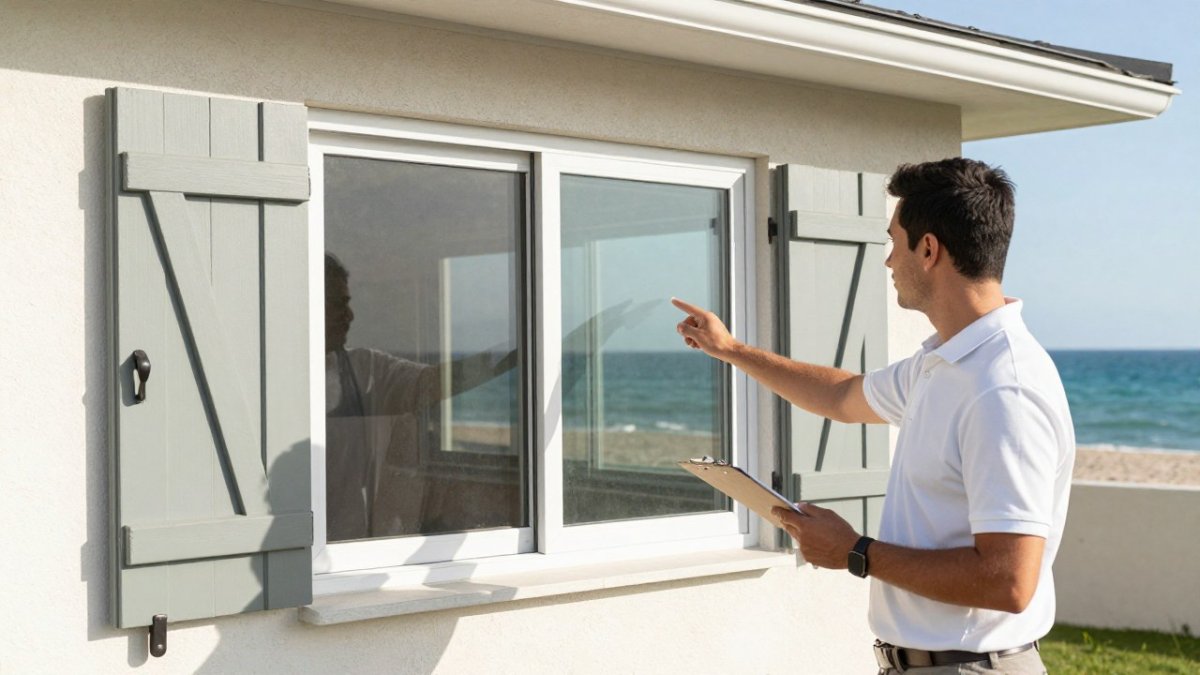
A common mistake is ordering the mitigation inspection after the quote. Get it first. The report can change your premium before you ever sign.
Windstorm Insurance vs Flood Insurance: What Each Policy Pays For
Windstorm insurance and flood insurance cover different causes of loss, and the difference decides whether a claim gets paid. Windstorm pays for damage caused by wind pressure and flying debris. Flood pays for damage caused by rising water.
| Feature | Windstorm Coverage | Flood Coverage |
|---|---|---|
| Cause of loss | Wind, debris impact | Rising water, storm surge |
| Typical policy | Homeowners or dwelling | Separate flood policy |
| Deductible type | Often percentage-based | Policy-specific |
| Covers storm surge | No | Yes |
| Required by lender | Usually | In high-risk zones |
The trap is a claim where wind and water both played a part. Insurers may assign damage to one cause or the other. Document everything, and know which policy responds to which damage before the storm, not after.
Understanding Named-Storm and Percentage Deductibles
A named-storm deductible is a separate, higher deductible that applies once a storm is officially named. It replaces your standard deductible for that event. Many Florida policies apply it to hurricanes specifically.
The percentage deductible is the part that surprises owners. Instead of a flat dollar amount, the deductible is a percentage of your dwelling coverage. A higher coverage limit means a higher out-of-pocket cost when a named storm hits.
Ask your agent to show both deductibles in writing: the standard one and the named-storm one. Then decide whether a lower percentage deductible is worth the added premium.
Lowering Florida Insurance Premiums With Wind Mitigation and Protective Upgrades
Lowering Florida insurance premiums often starts with documentation. Many carriers consider documented wind-resistant features when pricing a home. A wind mitigation inspection is one way to provide that documentation. Documented wind-resistant features can also be assessed against Florida roofing code requirements when planning roof upgrades.
Protective upgrades that commonly help:
- Impact-resistant windows and doors
- Storm shutters rated for the opening
- Roof-to-wall straps and secondary water barriers
- A newer roof that meets current building codes
Our guide to Florida wind mitigation inspections explains what the report documents and how it is used. If you are planning upgrades, our breakdown of the best ways to harden a Florida home against storms covers the options in detail.
How Elevation, Flood Zones, and Roof Condition Affect Underwriting
Underwriting is how an insurer decides whether to accept your home and at what price. On the coast, three factors carry the most weight, and each one has a specific document or designation behind it.
Elevation. An elevation certificate, usually prepared by a licensed surveyor and based on the building's lowest floor, proves your home's height relative to expected flooding. Insurers use it to place the home in a rating band.
Flood zone. The flood zone on the effective Flood Insurance Rate Map drives both whether flood insurance is required and how much it costs. Zones labeled AE and VE carry higher risk than zones labeled X.
Roof condition. The roof is the most wind-exposed part of the structure, so underwriters look at roof age, covering material, and whether it meets the current building code.
Wind mitigation report. A wind mitigation inspection documents roof-to-wall connections, roof deck attachment, secondary water resistance, and opening protection. Carriers may use the report when reviewing a home's wind mitigation features.
Building code and age. Older coastal homes often need a specialist carrier because they were built before modern wind standards.
Watch out: a flood zone designation and an elevation certificate can differ from what a listing or a neighbor told you. Review the documents yourself.
Comparing Policy Exclusions and Coverage Layers Before You Sign
Comparing exclusions and coverage layers is the step most owners skip, and it is the one that decides how a claim goes. The goal is to know, before a storm, which policy responds to which damage and where the gaps sit between them.
Start with the exclusions, because they tell you what a policy will never pay for. Our Florida hurricane insurance endorsements guide explains the coverage layers a beachfront owner must review before signing. On a coastal home, read for these specifically:
- Rising water and storm surge. A standard homeowners or dwelling policy excludes flood, which is why a separate flood policy is needed. Surge is treated as flood, not wind.
- Water intrusion. Damage from water that enters through an opening the storm created can be treated differently from water that rises. Read how the policy defines the cause of loss.
- Ordinance or law. If rebuilding to current code costs more than the damaged structure was worth, this exclusion can leave the difference uncovered unless you add the endorsement.
- Matching. If a repair cannot match undamaged materials, some policies limit what they will pay. Check whether matching is included or excluded.
- Detached structures, pools, docks, and seawalls. These are often sublimited or excluded. A beachfront home with a dock, a pool cage, or a seawall needs those features scheduled or endorsed.
Then map the layers so you can see how the policies stack:
- Dwelling coverage pays to repair or rebuild the structure. Confirm whether it is replacement cost or actual cash value, and confirm the limit reflects rebuild cost on the coast, not market value. Our guide to Florida home insurance policy limits helps you size beachfront coverage correctly.
- Other structures covers detached garages, guest houses, docks, and similar features, usually at a percentage of the dwelling limit. Raise it if the features matter.
- Personal property covers contents. High-value coastal furnishings may need scheduling.
- Loss of use pays for temporary housing and added living costs if the home is uninhabitable. On the coast, plan for a longer displacement period.
- Liability covers injuries and property damage to others. It does not respond to storm damage to your own home.
- Flood policy layers. A flood policy has its own building and contents limits, its own deductible, and its own exclusions. Do not assume the flood limit matches the dwelling limit on the homeowners policy.
The interaction is where claims get decided. In a hurricane, wind and water often damage the same home. One policy may cover the wind-created opening while the flood policy covers the water that came through it, and the two adjusters may assign the damage differently. Keep a dated photo and video record of the home before the storm, separate wind damage from water damage in your claim, and keep a log of every call and email. Do not discard damaged property until the adjuster has seen it.
Watch out: buying a flood policy with a building limit far below the dwelling limit on the homeowners policy leaves a gap that shows up only at claim time. Compare the two limits side by side before you sign.
Documenting Your Home and Filing a Post-Storm Claim
Documentation can make a claim easier to support. Before hurricane season, consider photographing every room, the roof, the windows, and any high-value items, and keep receipts for upgrades.
After a storm, file promptly and separate wind damage from water damage in your report. Keep a dated log of every call and email. Do not discard damaged property until the adjuster has seen it.
Starting repairs before an adjuster inspects can complicate a claim.
Coastal coverage is not a set-and-forget purchase. It needs a real review of your wind policy, your flood policy, and the gap between them. Dehlinger Insurance has served Florida residents for over 38 years, working with multiple top carriers to find coverage for older homes and high-value properties alike. We offer personalized guidance and affordable payment plans to fit your budget. Get started with Dehlinger Insurance and protect your beachfront home with coverage built for the coast.
Frequently Asked Questions
Can you insure beachfront property in Florida against hurricane damage?
Yes, but it usually takes more than one policy. A standard Florida homeowners policy covers wind damage from hurricanes, while a separate flood insurance policy through the National Flood Insurance Program or a private carrier handles storm surge and rising water. Lenders typically require proof of both wind and flood coverage before closing.
What is the difference between windstorm insurance and flood insurance?
Windstorm insurance pays for damage caused by wind, such as torn-off roof shingles, broken windows, and structural damage from flying debris. Flood insurance pays for water damage from storm surge, overflowing bodies of water, and heavy rain that accumulates on the ground. The two policies do not overlap, so a beachfront homeowner needs both to be fully covered during hurricane season. A standard homeowners policy typically excludes flood damage entirely.
How can I lower my Florida insurance premiums on a coastal home?
Start with a wind mitigation inspection, which documents features like roof straps, impact-resistant windows, and storm shutters that insurers reward with discounts. Raising your hurricane deductible or choosing a percentage deductible can also reduce the premium, though it increases your out-of-pocket cost after a storm. Maintaining your roof and updating older building components helps too. An agent can help you compare quotes from different insurers.
What steps should I take to document my home before a storm?
Photograph and video every room, the exterior, the roof, and any high-value items before hurricane season starts, and store copies in the cloud. Keep receipts for protective upgrades like shutters and impact windows, since insurers may ask for them during a claim. After a storm, photograph damage before making temporary repairs, save all receipts, and file the claim promptly. Clear documentation speeds up the adjuster review and reduces disputes over what was damaged.